The colloquium, themed “The Brand: Nigeria,” is scheduled to hold at the NAF Conference Centre, Jabi, and will bring together policymakers, business executives, academics, civil society organisations, professionals, creatives and young Nigerians.
The organisers said the event would move beyond conventional public relations approaches to national rebranding by examining the economic, governance and social realities that shape Nigeria’s domestic and international image.
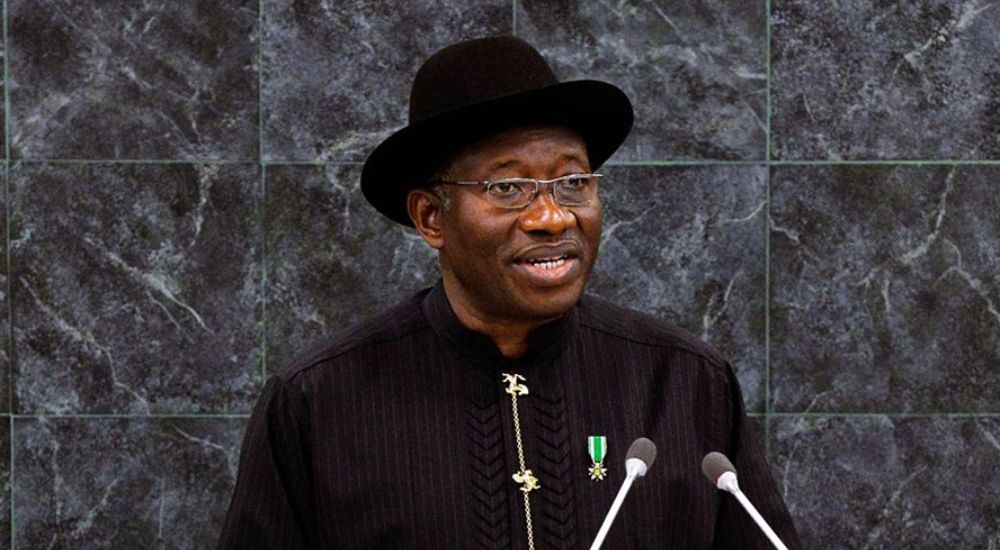
Jonathan, who served as president from 2010 to 2015, will deliver the keynote address in person.
Chairman of the Local Organising Committee, Fehintoluwa Oduekun, said the former president was selected largely because of his decision to concede defeat in the 2015 presidential election, which facilitated the first transition of power from an incumbent ruling party to an opposition party in Nigeria’s Fourth Republic.
Oduekun said the decision demonstrated the importance of democratic conduct and peaceful transfer of power in building a country’s reputation.
He noted that Jonathan could have pursued other options to retain power but chose to concede after the election, despite pressure from some of his supporters.
“Hardly will you see a man who is in power voluntarily and willingly relinquish power to the opposition when he knows that he could afford, by hook or crook, to put himself in office,” he said.
He added that the organisers considered about four personalities before settling on Jonathan, whose antecedents and involvement in the Rebrand Nigeria initiative during his presidency were also factors in the decision.
According to him, national rebranding must be anchored on values and actions that demonstrate the kind of country Nigerians want to build.
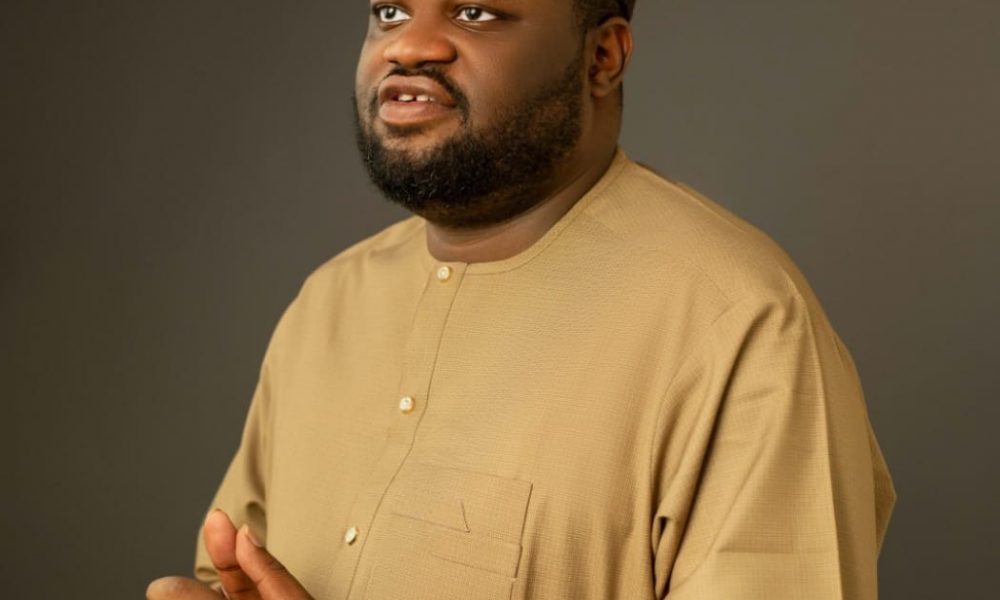
The convener of the colloquium, Dr Paul Alaje, said Nigeria was not a lost cause, expressing confidence that the country could achieve greater progress if citizens and leaders worked together across political divides.
He argued that the country’s image problem could not be separated from its development challenges, particularly poverty, healthcare outcomes, weak economic performance and governance concerns.
Alaje said the colloquium would examine these issues through five thematic pillars: the economy, governance, artificial intelligence, health and creativity.
He said the discussions would focus on reversing Nigeria’s health paradox, developing appropriate governance frameworks for artificial intelligence, unlocking capital for the creative economy and positioning Nigerian content for wider growth.
The sessions will also examine ways of rebuilding public trust in government and institutions.
Alaje said Nigeria’s international reputation had consequences for its citizens, including the discrimination some Nigerians encounter when travelling abroad.
He said the organisers had invited representatives of some foreign embassies to participate in the conversation and help provide perspectives on how Nigeria is perceived internationally.
The former president’s selection, he added, was not intended to advance any political party or agenda, as the colloquium was designed as a non-partisan platform.
“The more we know in the public space, we think he is the right person at this time, because of his past antecedents, to talk about how Nigeria should be rebranded,” he said.
The 2015 election marked the first democratic transfer of power from one political party to another in Nigeria since the return to civilian rule in 1999. The European Union Election Observation Mission also noted that Jonathan’s concession helped pave the way for a peaceful handover of power.
Alaje said the colloquium would also interrogate Nigeria’s economic performance, citing inflation, gross domestic product and income per capita figures to illustrate the country’s development challenges.
He said Nigeria’s GDP rose to about $400bn during Jonathan’s administration but had since struggled to approach that level, while inflation, which he put at nine percent when Jonathan left office, had remained a concern.
However, he acknowledged that the current administration was making efforts to improve the country’s economic position, urging Nigerians to work across political and party lines to address the challenges facing the country.
The organisers said the participation of foreign diplomatic representatives would provide an opportunity to examine how Nigeria is perceived internationally and the factors responsible for negative impressions of the country.
The first edition of the colloquium featured former President Olusegun Obasanjo as keynote speaker, while the second edition had Professor Patrick Lumumba.
The 2026 edition will also feature the presentation of prizes to winners of its national essay competition, which attracted more than 300 entries across postgraduate, undergraduate and secondary school categories.
The winners will receive N1m, N750,000 and N500,000 respectively.
The colloquium is convened by Alaje, a senior partner at SPM Professionals.