… Offers Free Treatment For Four Diseases, Including Elephantiasis, River Blindness
… Identifies Three Ogun LGAs As Highly Endemic For Schistosomiasis
Victoria Ikhedie
The Ogun State Government has warned residents against attributing neglected tropical diseases (NTDs) to spiritual attacks, urging them to seek prompt medical attention rather than resort to unverified remedies.
The government said misconceptions, stigma and poor awareness surrounding the diseases were contributing to late presentation and making efforts to control their spread more difficult.
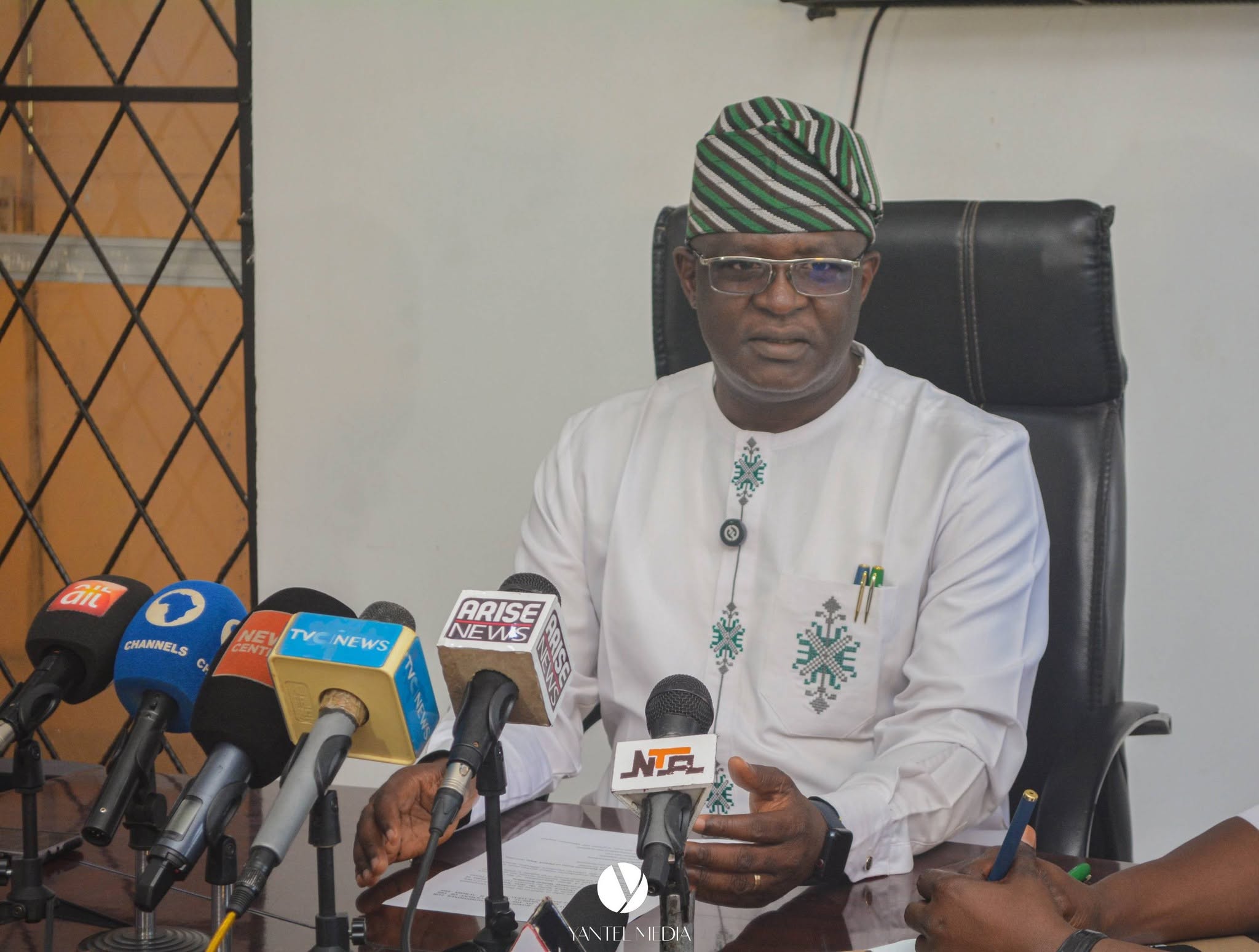
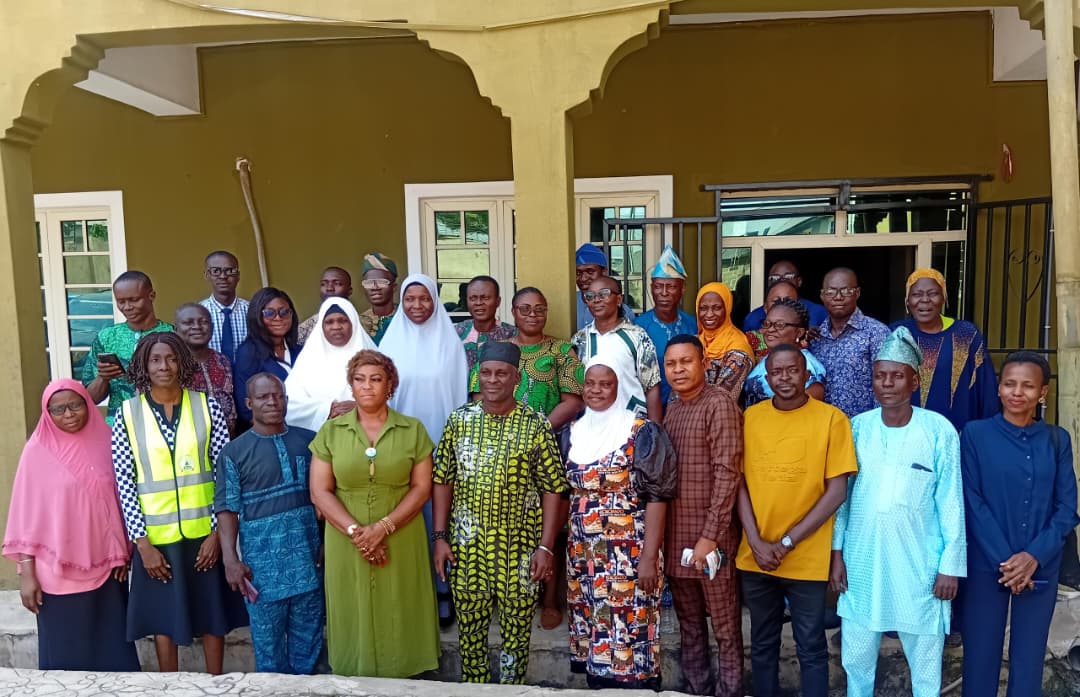
The State Coordinator of the Neglected Tropical Disease Control Programme, Dr Soneye Islamiat, gave the warning during a one-day stakeholders’ engagement organised by the NTD Unit of the Ministry of Health at the Nigerian Medical Association Hall, Leme, Abeokuta.
The engagement, sponsored by the United Nations Children’s Fund, brought together representatives of government ministries, educational institutions, community development associations, local government NTD coordinators and media organisations.
Islamiat said the state government was intensifying public enlightenment and training for healthcare workers to improve the identification, diagnosis and treatment of neglected tropical diseases.
She expressed concern that some healthcare professionals were still unfamiliar with diseases such as onchocerciasis and lymphatic filariasis, despite their continued prevalence in some communities.
The coordinator recalled an encounter with a consultant who initially considered the diseases to be conditions of the ancient world, warning that such misconceptions among medical personnel could undermine early detection and effective management.
She said, “I would not say we have a challenge with personnel. I would rather reframe it as even the healthcare workers are not aware of some of these diseases.”
According to her, the programme has adopted a two-pronged approach involving community sensitisation and capacity-building for healthcare workers to ensure that suspected cases are identified and referred for appropriate treatment.
Also speaking, a medical officer with the Ogun State Ministry of Health’s NTD Programme, Dr Okesola Oluwabukunmi Abiola, identified soil-transmitted helminthiasis, schistosomiasis, onchocerciasis and lymphatic filariasis as the four major neglected tropical diseases being managed in the state.
Abiola explained that the diseases were communicable infections acquired through exposure to contaminated soil, infected freshwater, blackfly bites and mosquito bites, respectively.
She said soil-transmitted helminthiasis was commonly contracted through the faeco-oral route, particularly among children who played with contaminated soil and subsequently put unwashed hands or objects into their mouths.
According to her, the infection could cause abdominal cramps, vomiting, anaemia, poor growth, stunted development and impaired cognitive development in children.
On schistosomiasis, she explained that infection occurred when people came into contact with freshwater containing infected snails that carried the parasite.
She said symptoms included painful urination and blood in the urine, adding that prolonged infection could result in serious health complications.
Abiola further explained that onchocerciasis, commonly known as river blindness, was transmitted through the bites of infected blackflies and could cause severe itching, skin changes, nodules and blindness in advanced cases.
She identified lymphatic filariasis, popularly associated with elephantiasis, as a mosquito-borne infection that could remain unnoticed for years before manifesting through abnormal swelling of the legs, scrotum, breasts or hands.