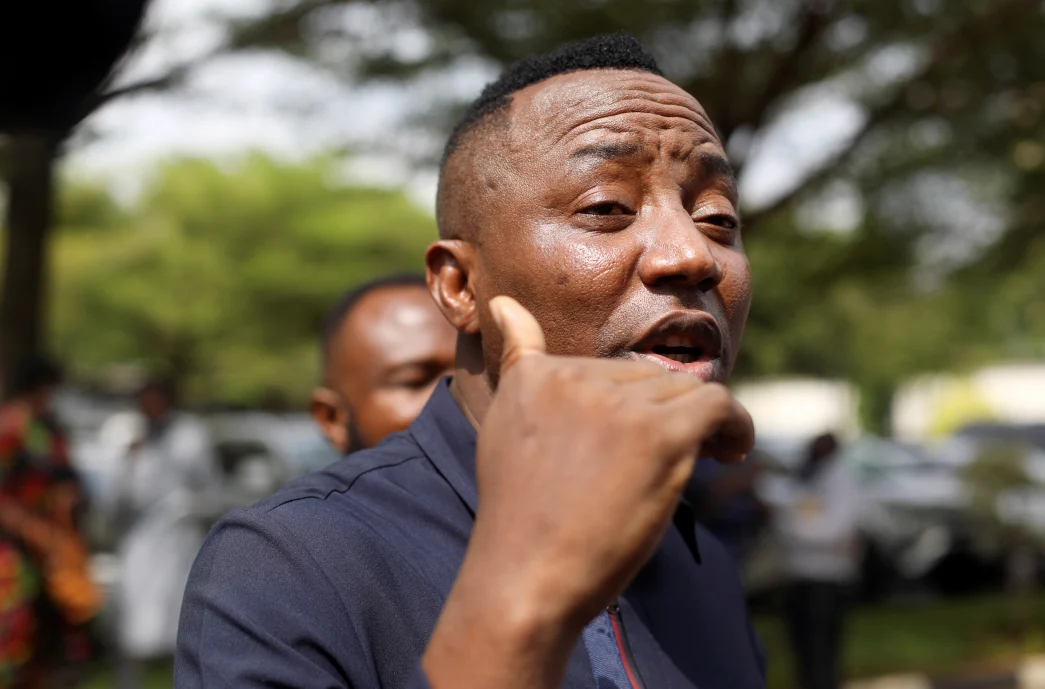
Human rights activist Omoyele Sowore has criticised the portrayal of the June 12, 1993 pro-democracy struggle in a new documentary on the late Chief MKO Abiola, insisting that the fight for democracy involved millions of Nigerians whose sacrifices should not be overshadowed by the story of one individual.
Sowore, who attended a private screening of the documentary produced by filmmaker Ose Oyamendan, described the film as revealing and emotionally unsettling but faulted what he considered the inadequate recognition of activists, labour leaders, journalists, students and ordinary Nigerians who resisted the annulment of the historic presidential election.
In a statement reflecting on the screening, the activist questioned the documentary’s emphasis on prominent political figures, arguing that the contributions of those who confronted military rule on the streets and endured various forms of repression deserved greater attention.
“But I have one major criticism: WHERE WERE THE REAL FIGHTERS OF JUNE 12?” he asked.
Sowore specifically mentioned the late human rights lawyer Gani Fawehinmi, Beko Ransome-Kuti, Olisa Agbakoba, Frank Kokori, Ayo Obe, Femi Falana, Chima Ubani, Joe Okei-Odumakin and Babafemi Ojudu as some of the individuals whose contributions to the struggle deserved greater recognition.
He also questioned the documentary’s portrayal of President Bola Tinubu’s role in the June 12 struggle, disclosing that he and former Minister of Information, Bolaji Abdullahi, had raised concerns about the presentation of Tinubu as a major participant in street protests without sufficient evidence of his involvement in those demonstrations.
The activist further raised questions about the film’s treatment of the political intrigues surrounding the annulment, the role of former military President Ibrahim Babangida and possible United States involvement in the circumstances surrounding Abiola’s death.
Among those featured in the documentary were veteran broadcaster Danladi Bako, who recalled interviewing Abiola on NTA’s Morning Ride before the election, and Bello Buhari, a former head of the National Electoral Commission’s Legal Department, who discussed the legal manoeuvres surrounding the annulment.
Sowore said the documentary also revived memories of efforts to frustrate the election through the Association for Better Nigeria and the involvement of prominent political and legal figures.
However, he maintained that the history of June 12 would remain incomplete without adequately documenting the sacrifices of Nigerians who faced assassination attempts, imprisonment, torture and other forms of repression during the pro-democracy movement.
“June 12 was fought on the streets, in factories, universities, newsrooms and detention cells—not merely in political meetings,” he said.
He stressed that the struggle belonged to millions of Nigerians who risked their lives to defend democracy and should not be reduced to the political journey of Abiola alone.
“JUNE 12 WAS BIGGER THAN MKO ABIOLA. IT BELONGED TO MILLIONS WHO RISKED EVERYTHING FOR DEMOCRACY!” he declared.
While describing the documentary as a must-watch for young Nigerians, Sowore called for another production that would comprehensively document the contributions of activists, workers, students, journalists and ordinary citizens who resisted military rule.
He insisted that their sacrifices must not be erased from Nigeria’s democratic history.


