By Lukmon Akintola
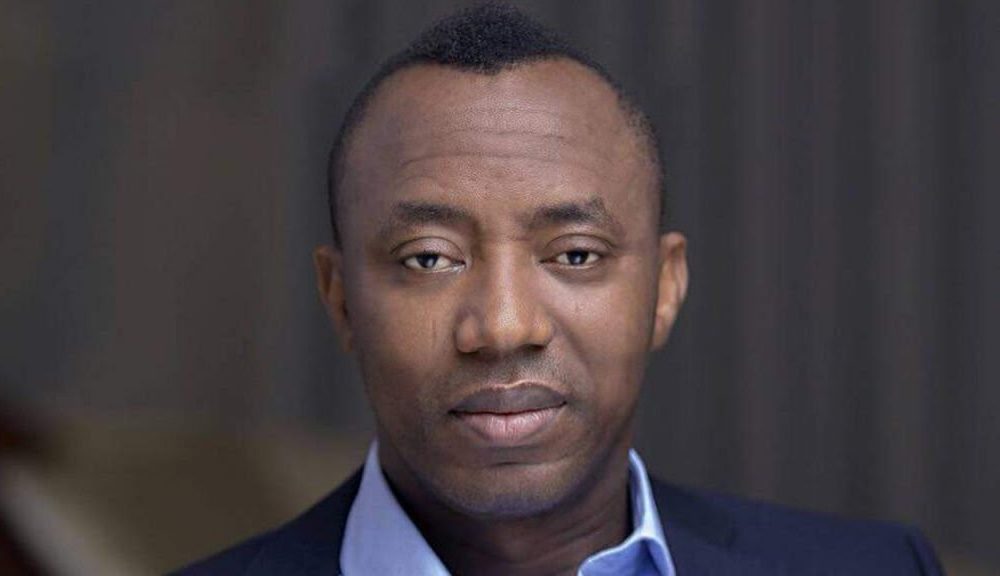
The presidential candidate of the African Action Congress (AAC), Omoyele Sowore, has renewed calls for the legalisation and regulation of cannabis in Nigeria, estimating that a properly structured industry could generate between $550 million and $2.2 billion annually in government revenue.
Sowore, who said he had advocated cannabis legalisation since 2018, argued that Nigeria was losing potential revenue by criminalising the plant while other countries and jurisdictions were generating income through regulated markets.
In a statement shared on Tuesday, he faulted Nigerian authorities for continuing to arrest people and destroy cannabis farms instead of establishing a framework to regulate cultivation, processing, distribution and taxation.
Using an illustrative exchange rate of N1,300 to the dollar, Sowore estimated that the projected annual revenue could range from N715 billion to N2.86 trillion.
He cited Canada, California and Colorado as examples of jurisdictions collecting revenue from regulated cannabis markets.
According to Statistics Canada, federal and provincial governments earned about 2.2 billion Canadian dollars from recreational cannabis in the 2023/2024 fiscal year. The figure covered income from cannabis authorities, excise duties, retail sales taxes, other taxes and licensing fees.
California recorded approximately $1.067 billion in cannabis tax revenue in 2024, while Colorado collected about $255.36 million in marijuana taxes and fees during the same year, according to the respective state revenue authorities.
Sowore said a regulated cannabis industry could also create employment opportunities in agriculture, pharmaceutical manufacturing and industrial hemp production, while supporting scientific research and export earnings.
He acknowledged that the revenue Nigeria could generate would depend on the size of the market, taxation policies, licensing arrangements, export capacity and the effectiveness of regulatory oversight.
“Legalise it. Regulate it. Tax it. Create jobs. Generate revenue!” he declared.
Sowore also called for an overhaul of Nigeria’s drug policy and urged voters to reject politicians he accused of resisting economic reforms.
Despite the renewed call, cannabis remains prohibited under Nigerian law. The Indian Hemp Act criminalises activities including cultivation, possession, sale, importation, exportation and smoking, subject to applicable legal provisions. The National Drug Law Enforcement Agency is responsible for enforcing laws against illicit drug cultivation and trafficking.
The debate over legalisation therefore raises questions beyond potential tax revenue, including the structure of regulation, public health safeguards, law enforcement, domestic demand and the capacity to compete in international markets.
While Sowore’s revenue estimates draw on earnings recorded in jurisdictions with established legal cannabis industries, they remain projections rather than guaranteed returns for Nigeria.