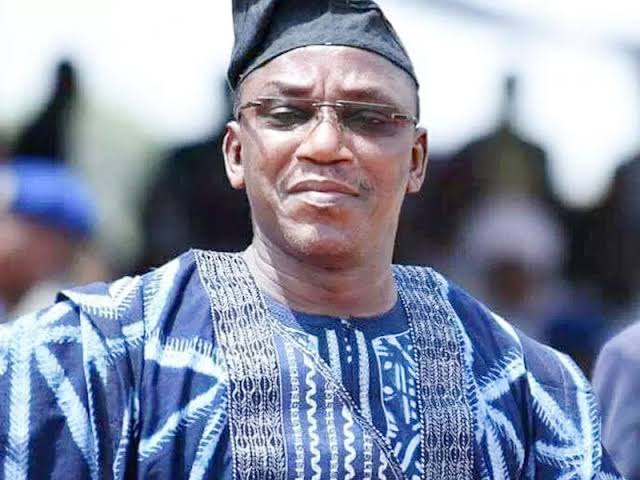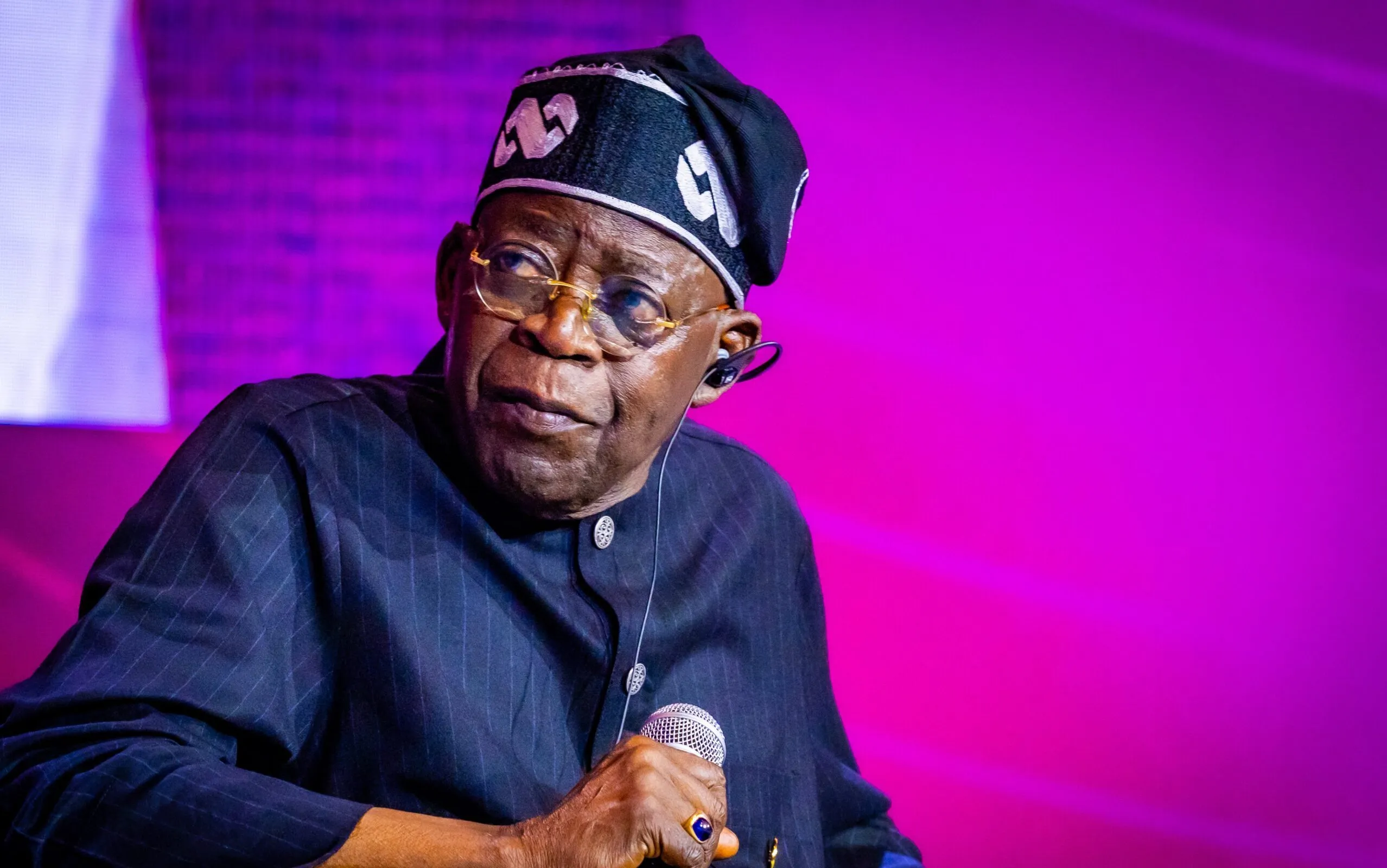
The Special Adviser to President Bola Tinubu on Media and Policy Communication, Daniel Bwala, has defended the Presidency’s decision to determine which media organisations interview the President, insisting that no media platform can dictate who should be granted access to him.
Bwala, however, disclosed that Tinubu was willing to grant more interviews to Nigerian journalists, acknowledging that the President had not engaged sufficiently with local media organisations since assuming office.
He made the remarks during an interview on the Niger Unfiltered podcast, published on Thursday, while responding to concerns over the President’s limited engagement with Nigerian journalists in nearly three years and seven months in office.
According to Bwala, the President was open to media interviews and did not require prepared answers or special briefings before engaging journalists.
“There is a willingness to grant interviews on the part of the President. And the President, when granting interviews, didn’t need to read anything, didn’t need to be briefed,” he said.
The presidential spokesman explained that there had been instances when the President agreed to grant interviews but later postponed them following advice from those around him.
He expressed optimism that Nigerians would witness more presidential interviews in the future.
“I expect us to do more. And the second time, you’ll see more of that,” Bwala stated.
However, he maintained that the Presidency retained the authority to select the media organisations and journalists granted interview opportunities, arguing that the government should not be compelled to engage particular outlets.
“We control our narrative. We decide who we grant interviews to. Nobody can come and tell us, grant to this one and not the other one,” he added.
Bwala also pointed to the composition of the State House press corps, which includes representatives of mainstream, digital, social and print media, saying journalists regularly cover the President’s activities.
He, however, expressed reservations about the professionalism of some media practitioners, accusing some of allowing political considerations to influence their reporting and questioning.
The presidential aide’s comments come amid growing public debate over Tinubu’s limited interviews with Nigerian media organisations, particularly following his recent interview with American political strategist and media personality Diana London.
The interview generated controversy among Nigerians, with critics questioning why the President chose to engage a foreign media personality despite rarely granting interviews to local journalists.
The controversy was further heightened by reports linking London to a reported $4.5 million lobbying arrangement involving a United States-based firm engaged by the Nigerian government.
London subsequently denied receiving money from the Federal Government or anyone in Nigeria, maintaining that her visit to the country was to interview Tinubu for a documentary.
Former Vice-President Atiku Abubakar also joined the debate, challenging the President to grant a live interview to Nigerian journalists and demanding the release of the full, unedited recording of his conversation with London.
Atiku also questioned whether the interview was connected to the reported lobbying arrangement.