3 min readMar 20, 2026 09:21 PM IST
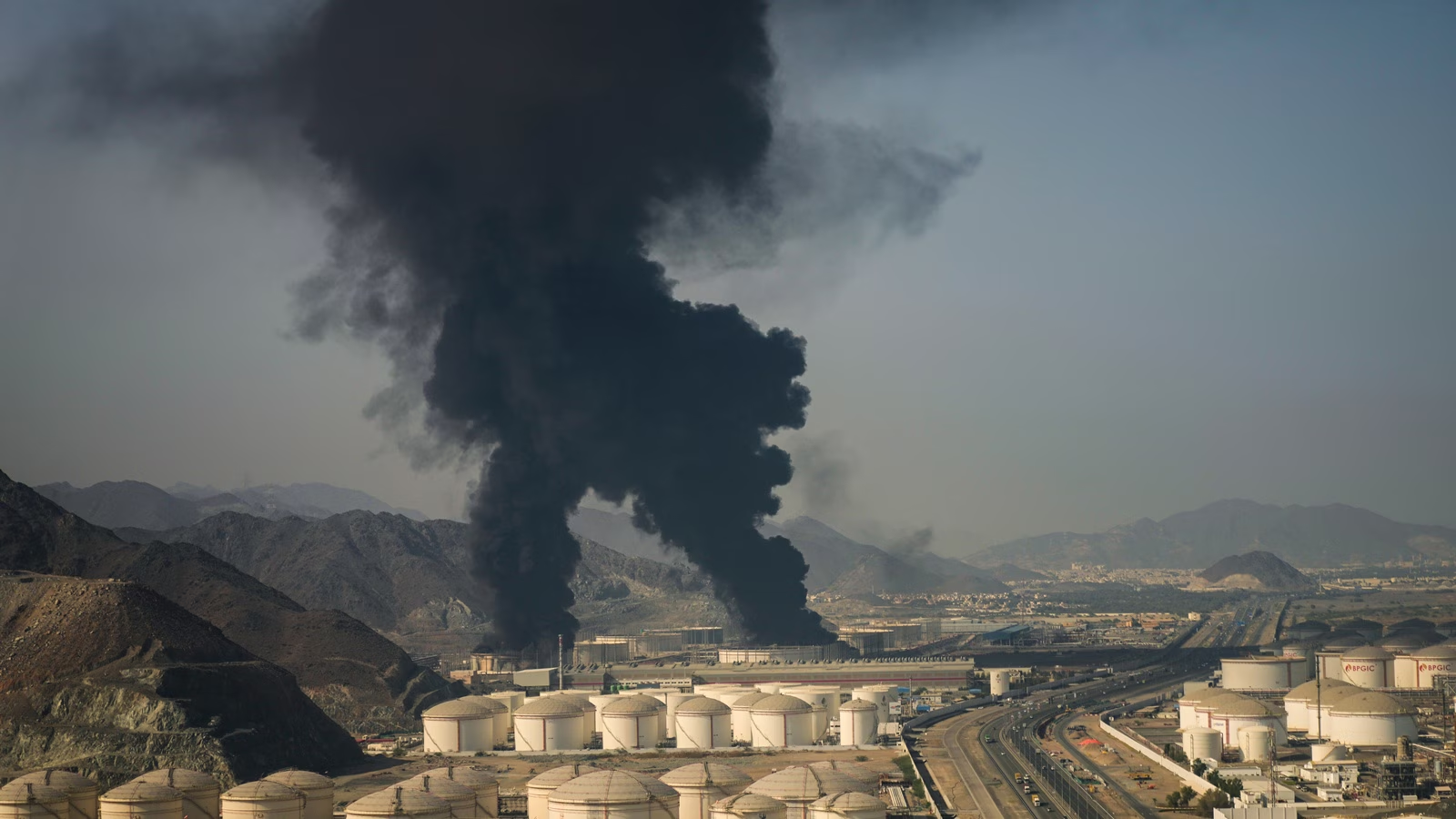
The United States (US) and Israel’s war in Iran has spread in the Gulf but the impact is felt world over. The growing attacks on military, civilian and oil infrastructure is causing concerns. It is also potentially disrupting critical oil and gas supply routes and unsettling financial markets. As prices surge and uncertainty grows, economies across the world are bracing for inflationary shocks, currency volatility and slowing growth.
At the centre of the crisis is the Strait of Hormuz, a vital route for the global energy trade. Any disruption here could choke supplies, pushing up fuel costs and intensifying inflation worldwide.
The fallout is expected to be in Europe where memories of the Russian invasion of Ukraine still remain. Germany, with its industry-heavy economy is particularly exposed to rising energy costs while Italy remains dependent on fossil fuels.
United Kingdom (UK) is more dependent on gas-fired power generation than most major European economies, meaning electricity prices are closely tied to gas costs that have been rising faster than oil since the war began.
While restrictions on energy prices may soften the immediate impact on inflation it could also trigger higher interest rates. This raises the risk of the UK facing the highest borrowing costs among G7 nations for an extended period, even as unemployment climbs. At the same time, pressure on public finances and bond markets is limiting the government’s ability to support businesses and households.
Japan remains highly vulnerable sourcing most of its oil from West Asia. A weaker currency is further amplifying the cost of imports adding to domestic price pressures.
Supply and currency strain
In the Gulf, countries such as Kuwait, Qatar, Bahrain risk export disruptions if shipping routes are affected.
Story continues below this ad
And in this case, India is another major economy at risk, Reuters reported. It imports about 90 per cent of its crude oil and nearly half of its liquefied petroleum gas much of it routed through Strait of Hormuz. Economists have already begun trimming growth forecasts as the rupee weakens. The surge in gas prices is also beginning to affect daily life, with reports of informal rationing disrupting food businesses and household consumption.
Turkey, which shares a border with Iran, is bracing for both geopolitical and economic fallout. Concerns over a potential influx of refugees add to existing pressures, while the central bank has already paused its rate-cutting cycle and spent billions of dollars in reserves to support the currency amid rising inflation risks.
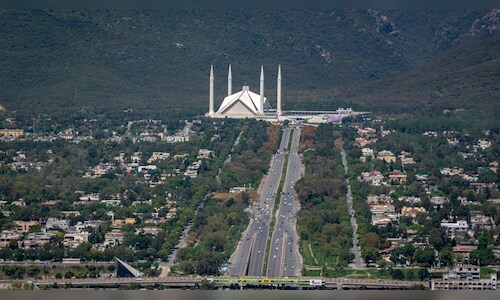
The impact could be most severe for fragile economies that have only recently emerged from crises. Sri Lanka has introduced emergency measures including additional public holidays to curb energy use, fuel rationing and widespread shutdowns of public services. Pakistan, which was on the brink of economic collapse in recent years, has raised fuel prices, shut schools temporarily and imposed austerity measures across government departments.
Egypt faces a multi-layered challenge. Alongside rising fuel and food costs, it risks a decline in revenues from tourism and the Suez Canal, both key sources of foreign exchange. A weakening currency is also making it more expensive to service its largely dollar-denominated debt.
Stay updated with the latest – Click here to follow us on Instagram
© IE Online Media Services Pvt Ltd