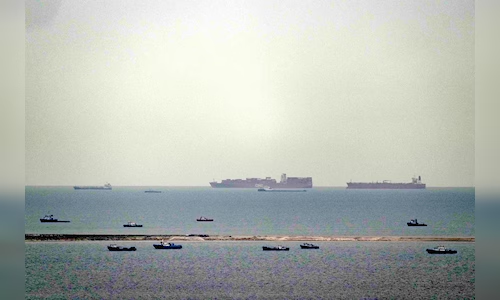
Iran may charge $2 million per ship to cross Hormuz, JPMorgan says, with potential revenues of $70–90 billion—well above Suez and Panama. But there is no official confirmation on the charge yet.
2 Min Read

(Photo Credit : Reuters)
 1 / 9
1 / 9A JPMorgan Chase report says Iran has proposed charging ships transiting the Strait of Hormuz, with estimates in the analysis putting it at around $2 million per vessel. There is no official confirmation yet that any such toll has been implemented.
(Photo Credit : Reuters)
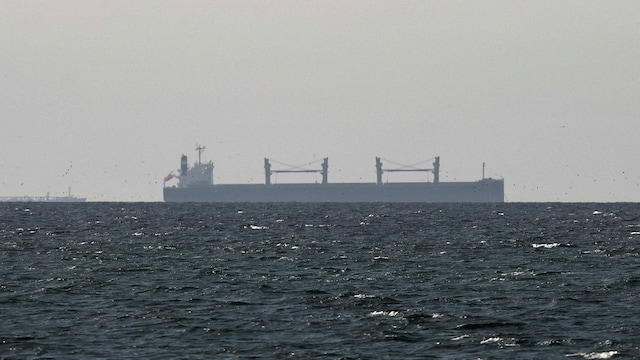
2 / 9At that price point, JPMorgan’s modelling suggests potential revenues of $70–90 billion annually, placing Hormuz among the world’s leading canal systems.
(Photo Credit : Reuters)
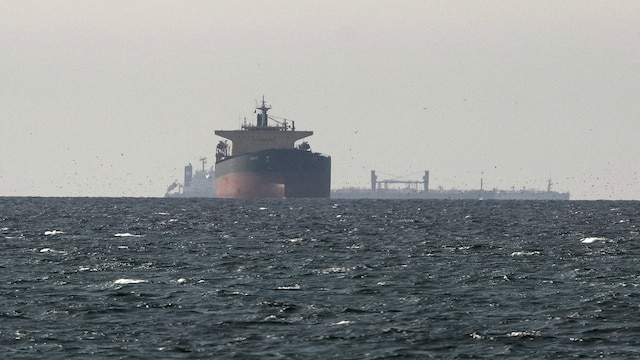
3 / 9Even a limited application, i.e. charging 2,000–3,000 vessels, could yield $4–6 billion.
(Photo Credit : Reuters)
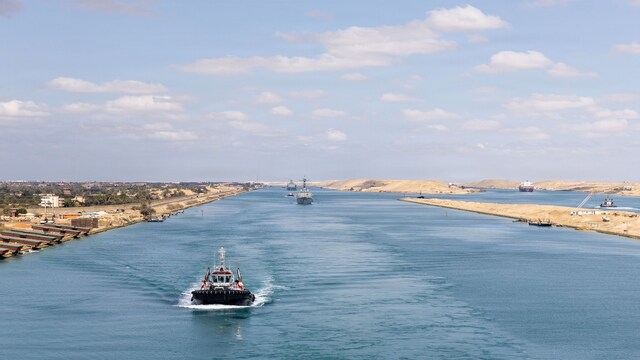
4 / 9For comparison, the Suez Canal generated about $10 billion in 2023, before disruptions reduced revenues to roughly $4 billion in 2024–25.
(Photo Credit : Reuters)
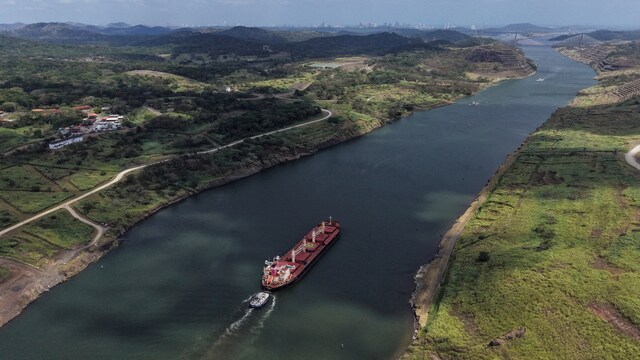
5 / 9The Panama Canal—one of the world’s most important trade arteries—brings in around $5.7 billion annually, still far below JPMorgan’s Hormuz scenario.
(Photo Credit : Reuters)
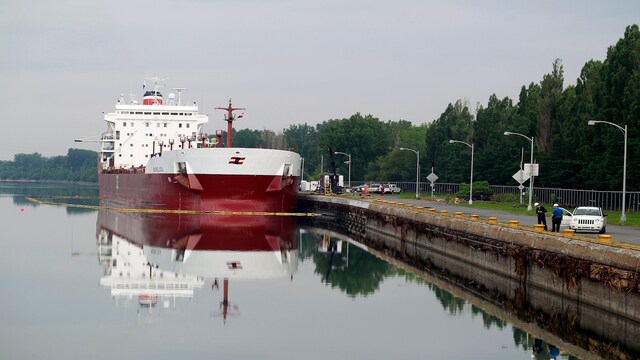
6 / 9The St. Lawrence Seaway, a key North American trade corridor, generates only about $86 million a year in toll revenues.
(Photo Credit : Reuters)
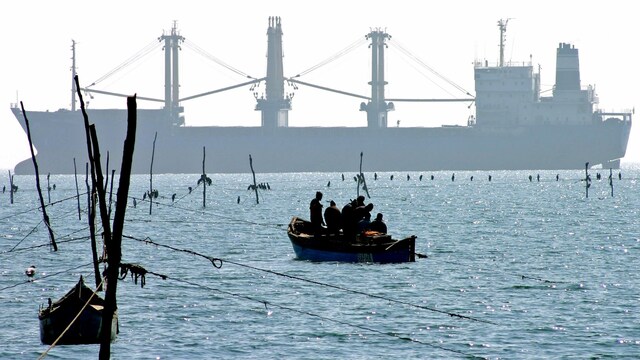
7 / 9Turkey’s Bosporus Strait and Dardanelles Strait together bring in roughly $227 million annually, underscoring how modest most natural strait revenues are.
(Photo Credit : Reuters)
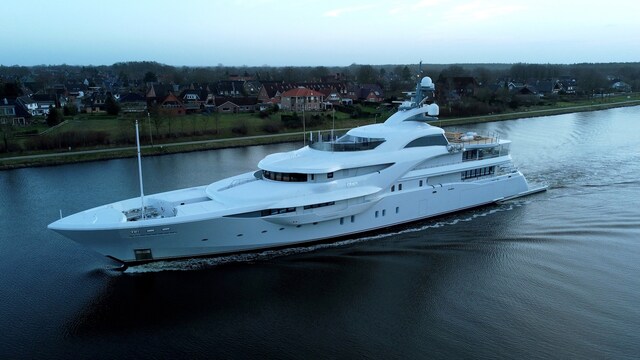
8 / 9Germany’s Kiel Canal, one of Europe’s busiest artificial waterways, generates just $20–30 million a year.
(Photo Credit : AP)
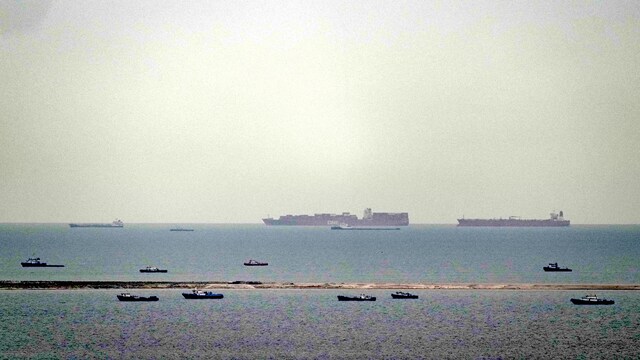
9 / 9According to Dina Esfandiary, an economist at Bloomberg LP, “Iran probably did not expect its Hormuz strategy to be this successful … the lesson Iran has learned from this war is that holding the global economy hostage is cheaper and easier than anticipated.”