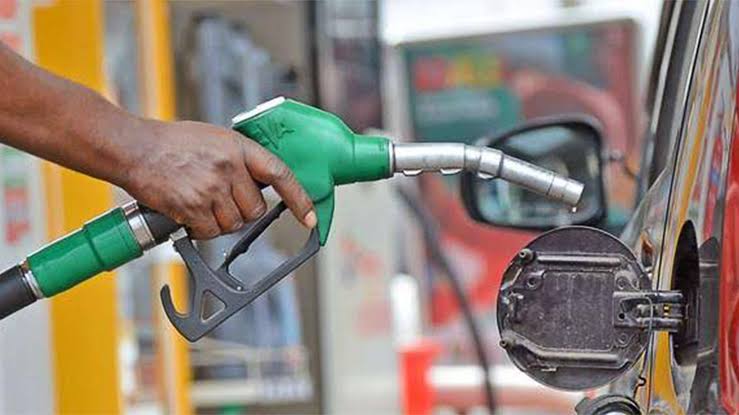

Nigeria’s inflationary pressure on transport fuels intensified in March 2026, with the average pump price of petrol rising to N1,288.54 per litre and diesel climbing to N1,648.08 per litre, according to the latest Price Watch reports released by the National Bureau of Statistics (NBS).
The data, captured in the Premium Motor Spirit (PMS) and Automotive Gas Oil (Diesel) reports, shows a sharp month-on-month increase in prices across states and geopolitical zones, underscoring persistent energy cost pressures feeding into transportation and production costs nationwide.
The NBS report revealed that the average price of petrol rose by 22.55 per cent month-on-month in March. On a year-on-year basis, petrol prices increased by 2.13 per cent from N1,261.65 recorded in March 2025.
Anambra recorded the highest average petrol price at N1,441.22 per litre, followed by Sokoto at N1,377.55 and Borno at N1,375.16. In contrast, Lagos posted the lowest average price at N1,162.71, followed by Ogun at N1,169.78 and Kaduna at N1,193.40.Diesel Maintains Upward Trajectory
Diesel prices also continued their upward movement, rising from N1,420.17 per litre in February to N1,648.08 in March. This represents a 16.05 per cent monthly increase and a 3.05 per cent year-on-year rise.
At the state level, Ebonyi recorded the highest diesel price at N2,262.29 per litre, followed by Akwa Ibom at N1,895.72 and Osun at N1,872.15. Kogi recorded the lowest average diesel price at N1,383.40, followed by Katsina at N1,438.25 and Enugu at N1,480.06.
The NBS data highlights significant regional variations in fuel pricing, reflecting differences in logistics costs, distribution efficiency, and supply chain dynamics.
By geopolitical zone, the North-East recorded the highest average petrol price at N1,336.50 per litre, while the South-West recorded the lowest at N1,232.46. For diesel, the South-East posted the highest regional average at N1,730.14 per litre, while the North-Central zone recorded the lowest at N1,593.11.
Analysts say the widening gap between state and regional averages underscores the impact of distance from supply depots, infrastructure constraints, and varying levels of competition among fuel distributors.
The Nigerian Midstream and Downstream Petroleum Regulatory Authority (NMDPRA) has previously stated that fluctuations in pump prices are a direct result of market dynamics under the deregulated regime, where prices respond to changes in global oil benchmarks, exchange rates, and distribution costs.
In the Federal Capital Territory (FCT), residents have raised concerns over rising transport fares following the latest increase in petrol prices. Observations show that petrol, which previously sold between N835 and N875 per litre in the FCT, is now priced between N1,200 and N1,350.
Commercial vehicle operators have responded by adjusting fares upward, compounding the cost-of-living pressures already facing households and businesses.
Economic observers warn that sustained increases in fuel prices could further drive headline inflation, as higher transport and logistics costs filter through to food prices and manufactured goods.