In a land where a simple tumble can turn fatal, thousands of Nigerians live on the edge of a silent, crimson cliff, trapped between a genetic curse and a system struggling to see them, writes JULIET IBIMINA.
For Mrs Olaide Saviour, the rhythm of motherhood is not measured in milestones, but in the terrifying stillness of a sleeping child. In her household, a simple tumble or a schoolroom scolding is not merely a childhood rite of passage; it is a potential death sentence. Olaide is raising three sons living with haemophilia, a genetic odyssey that forced her to abandon a promising nursing career for teaching, simply to ensure she is never more than a few minutes away from her children.
They can bleed at any time, even while sleeping, she says, her voice weary but resolute. Just last night, one of her boys suffered a minor cut. While other mothers might reach for a plaster, Olaide reached for factor concentrate, an expensive, scarce clotting agent, and performed the clinical dressing herself.
As the world marked World Haemophilia Day on 17 April 2026, under the poignant theme Diagnosis: First Step to Care, Olaides story highlights a harrowing reality in Nigeria. For thousands, the “first step” remains a leap across a chasm of ignorance, poverty, and a fractured healthcare system.
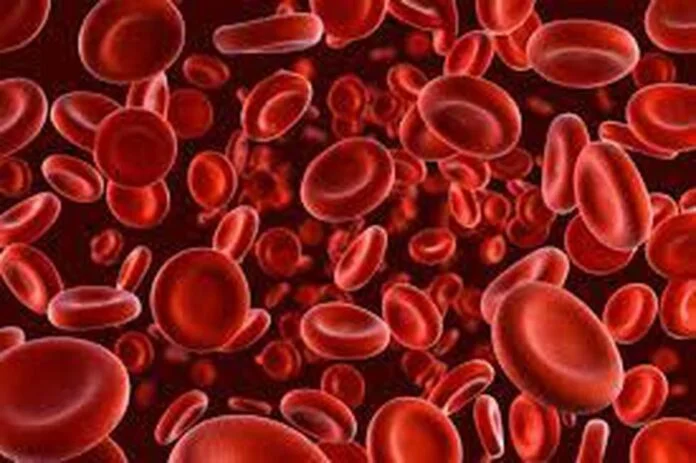
Haemophilia is an X-linked genetic disorder caused by a deficiency in clotting factorstypically Factor VIII (Type A) or IX (Type B). Without these proteins, the blood cannot solidify. While it primarily affects males, the burden is shared by mothers who carry the gene and live in a state of perpetual vigilance.
In Nigeria, the tragedy is often rooted in the “spiritualisation” of medical crises. Olaide recalls her younger brother bleeding uncontrollably after a traditional circumcision decades ago; at the time, the family suspected malevolent spirits. The same pattern emerged with her first son, who required multiple transfusions after his own circumcision. It was years before a clinical name was given to their suffering.
She is not alone. David Ademibe, now 16, spent his childhood drifting in and out of hospital wards, receiving five blood transfusions before doctors finally identified the culprit. Most shocking is the account of Dr Patrick Uju, a coordinator for the Haemophilia Foundation of Nigeria. Despite his medical training, Dr Uju practised for 16 years before he was diagnosed with the very condition he now manages.
If it took me, a doctor, sixteen years to find out, he notes, imagine the plight of those without that privilege.
Until the 1970s, the average life expectancy for people with hemophilia was 11 to 13 years. Now, people with severe hemophilia in developed countries have a normal life span if blood clotting factor therapy is started by age 1 to 2.The statistics in Nigeria paint a sobering picture of a “missing” population. Professor Sulaimon Akanmu estimates that roughly 18,000 Nigerians live with the condition, yet national records account for only 941 cases. Professor Titilope Adeyemo of Lagos University Teaching Hospital, LUTH, notes that while developed nations boast an 81% diagnosis rate, Nigeria languishes at a mere 6%.
The implication is devastating, Professor Adeyemo warns. Thousands are living with repeated bleeding, developing permanent disabilities, or dying in silence without ever knowing why.
The barriers are systemic: diagnostic facilities are clustered in urban centres, tests are prohibitively expensive, and the primary treatmentclotting factor concentratesis almost entirely dependent on irregular international donations. In developing regions, the mortality rate for those with haemophilia remains roughly double that of the general population.
Breaking the Silence
The Nigerian government is finally beginning to acknowledge this silent burden. Dr Alayo Sopekan, National Coordinator for Non-Communicable Diseases, recently announced the integration of haemophilia into the national health policy. Plans are now underway to train primary healthcare workers to recognise “red flags,” such as:
Prolonged umbilical cord bleeding in newborns.
Persistent, unexplained bruising.
Spontaneous joint swelling.
Crucially, Nigeria has unveiled its first National Bleeding Disorders Registry to track patient data and ensure future health surveys capture the true scale of the crisis.
The Haemophilia Foundation of Nigeria, HFN, is not waiting for policy to catch up with the pain. Under Executive Director Mrs Megan Adediran, the foundation has launched the Road to Clot: Reaching the Undiagnosed initiative. This programme deploys mobile testing units to take screening out of daunting hospitals and directly into local communities.
For families like the Saviours, these initiatives represent more than just medical aid; they represent visibility. For too long, haemophilia in Nigeria has been a hidden ailment, whispered about in village squares or misdiagnosed as “witchcraft.”
As 2026 progresses, the message from experts and survivors is clear: treatment is a right, but diagnosis is the key that unlocks it. Until the “missing thousands” are found, Nigerias haemophilia crisis will continue to bleed the nations future, one undiagnosed child at a time.