
For many Nigerians the dream is simply to live a better life, earn honestly and support loved ones. Sometimes that dream begins with a phone call, a message a promise for a better life.
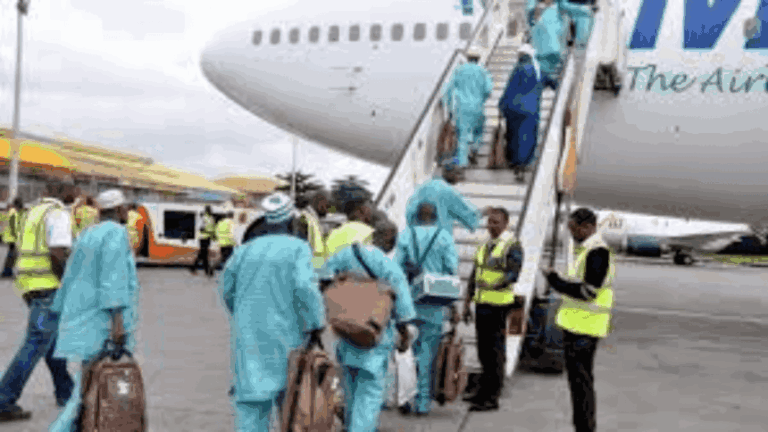
“I can help you get a good job, you will travel, earn well and your life will change.”
for many it sounds like an opportunity they cannot afford to miss, but the opportunity suddenly becomes a lifetime trap.
What once affected people is slowly becoming something many now accept as “normal”.
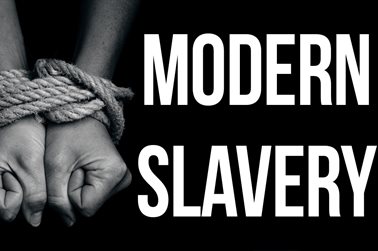
Modern day slavery does not always appear in chains or cages. Instead, it becomes promises of survival. Many people are lured with promises of decent jobs, only to later discover that the reality is different from what they expected.
Some especially young women are pushed into becoming sex workers or forced labour against their will far from home without support. They are left with little or no choice, struggling to survive in conditions they never imagined.
Others face exploitations in domestic setting. What was presented as a simple job can turn into long hours of unpaid or underpaid labour with little freedom and no protection.
The dream of a better future is replaced with fear, regret and the struggle to survive each day close to home.
Beyond these situations, another form of modern day slavery exist within communities. Some young people including those who are not fully grown yet take on hard labour just to survive. They work long hours under difficult conditions not because they want to, but because they have no other option to survive.
Their education is being affected because instead of being in school, some are forced to choose work over education or learn a skill in order to support their family.
These reality shows that modern day slavery does not always look the same. It can be in form of deception, exploitation or lack of opportunity.
According to global estimation by the International Labour Organization (ILO) and the United Nations, about 50 million people are living in modern slavery world wide with over 1.6 million of them in Nigeria alone.
The danger of modern slavery lies in “normalisation”. Many Nigerians see these situations and simply move on. Some even justify them saying at least they are earning something, but at what cost?
The silent acceptance is not just affecting individuals only but also affecting the country as a whole. This can lead to the weakness and the loss of hope for a better life.
Experts and reports over time have shown that economic hardships, unemployment and lack of awareness make people more vulnerable to these situations.
Government should provide a support system, create awareness among people and educate individuals on the issue. They should also strengthen laws against human trafficking and exploitation, ensure proper monitoring of workplaces and protect vulnerable people especially women and children. Creating job opportunities and improving access to education can also reduce the chances of people falling into these situations.
No dream, no matter how small, should lead to a life of suffering. Until these truths are fully accepted, the line between opportunity and exploitation will continue to blur and many more dreams will still turn traps.