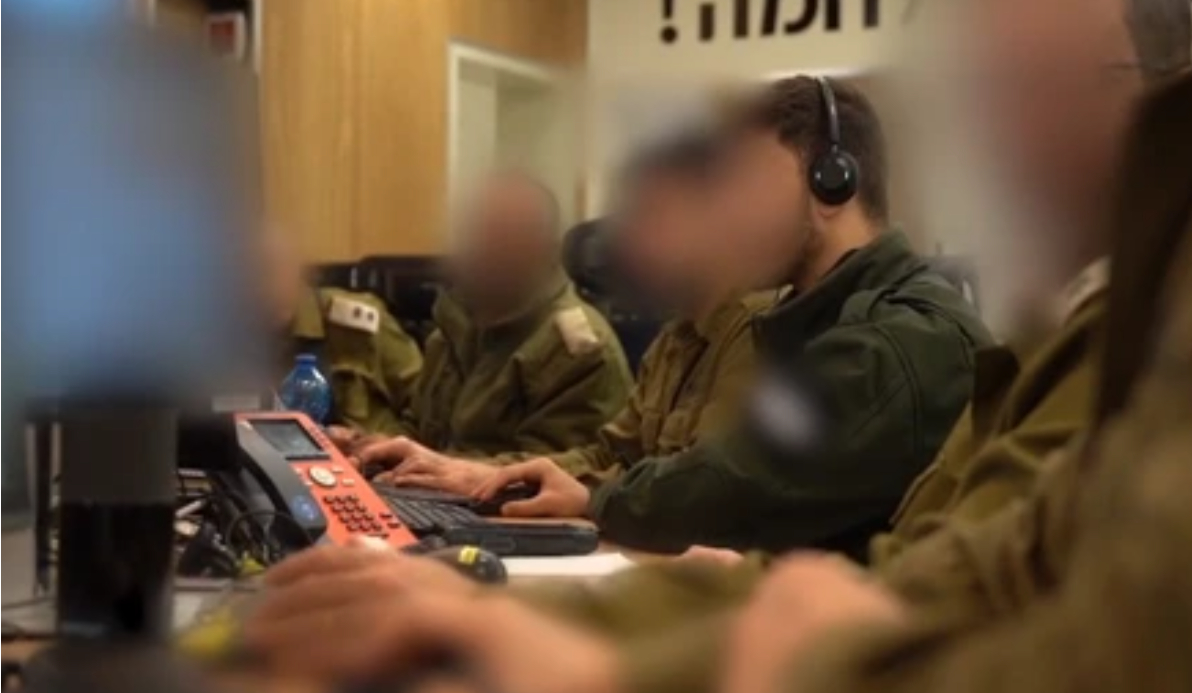
A reserve unit operating under the IDF Northern Command is tackling one of modern warfare’s toughest challenges: producing high‑quality, real‑time targets even after the pre‑planned target bank has been depleted.
Once the enemy’s core infrastructure has been destroyed, the campaign shifts to pursuing “time‑sensitive targets”—fleeting targets that appear briefly and demand an especially rapid operational response.
This specialized unit was created in the aftermath of the Second Lebanon War, when the IDF recognized the need for a flexible mechanism capable of generating new targets during active combat. Over the years, it developed a unique methodology that blends intelligence, field expertise, and advanced technological tools, enabling rapid identification and precision strikes within minutes.
Recent operational data shows the unit has identified and struck hundreds of targets and eliminated approximately 400 terrorists, with an average turnaround of under 30 minutes from detection to strike.
Their work relies on tight, real‑time coordination between intelligence teams and IDF strike forces—primarily the Air Force—allowing operational loops to close at high speed. Their deep familiarity with Hezbollah’s behavior patterns and the local terrain helps them anticipate terrorist movements and detect threats at early stages.
Beyond eliminating terrorists, the unit also targets Hezbollah’s economic infrastructure, aiming to disrupt financial channels and weaken the organization’s operational capacity. At the same time, it provides critical support to ground forces, especially during rescue missions under fire, by identifying approaching threats and neutralizing them quickly.
According to unit members, the ability to act decisively without lengthy planning cycles is what keeps them effective—and relevant—even in the later stages of combat.
(YWN Israel Desk—Jerusalem)