By Ebere Inyama
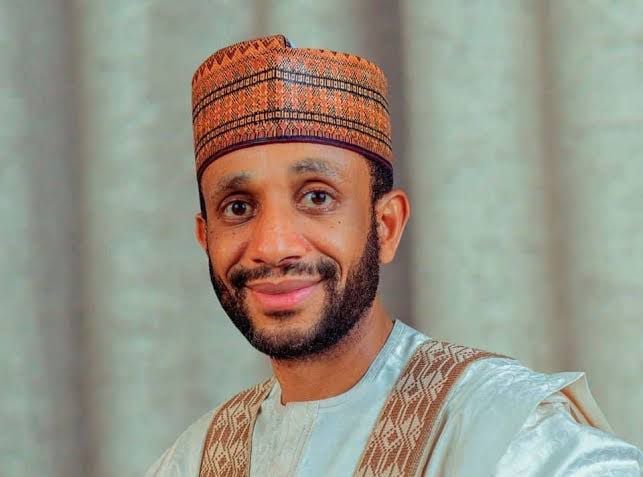
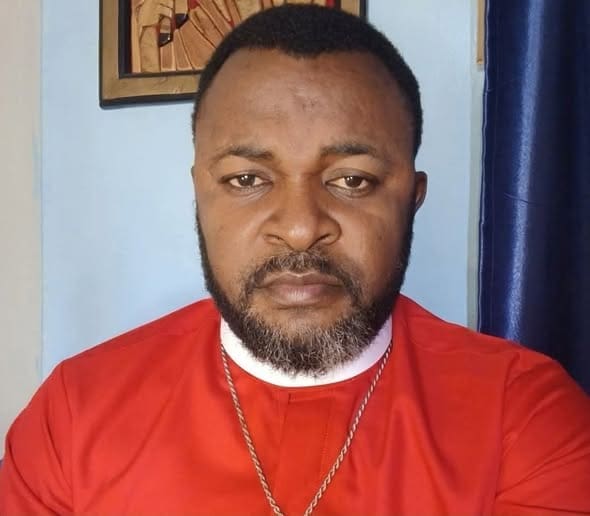
(Plateau state) Two Islamic clerics, Sani Oris and Sheikh Alkali Zaria, have embarked on a campaign to eliminate a Plateau state-based Christian cleric, Pastor Emmanuel Sunday Garba over allegations of blasphemy against Prophet Muhammad.
In a viral video recorded in Hausa language and posted on Facebook on 17 April, 2026, Oris offered a ₦2 million reward to anybody who would behead Pastor Garba.
Oris had initially offered ₦1 million for the job but doubled the reward a few days after, in a desperate bid to achieve his aim.
Earlier on April 13, 2026, a Zaria-based Islamic scholar, Sheikh Alkali Abubakar Salihu Zaria vowed to take matters into his own hands.
“Any day we cross paths with him, he is certainly going to the hereafter”, Salihu Zaria said in a statement.
The allegations against Pastor Garba
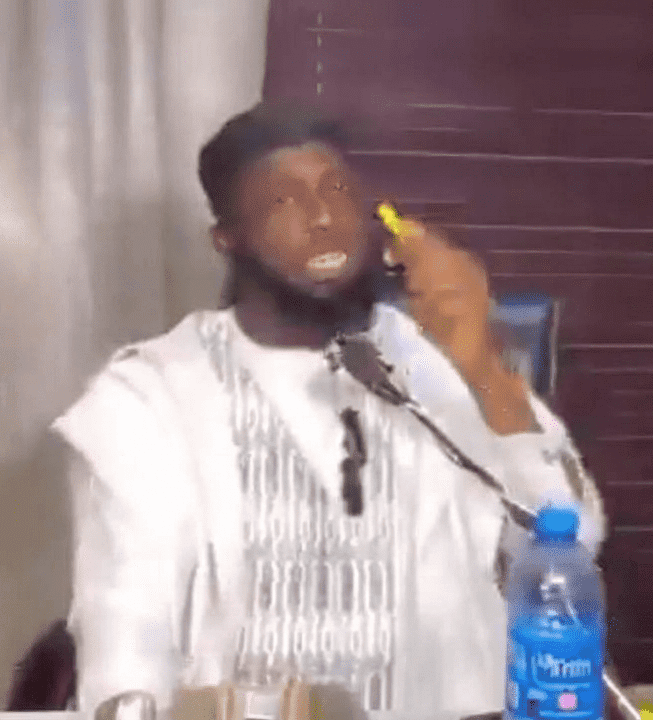
In a Friday sermon on 17 April, 2026, the Chief Imam of Nagazi-Uvete, Jumu’ah Okene, Kogi State, Murtadha Muhammad Gusau, said Pastor Garba “uploaded toxic videos that consistently target Islam, Muslims, and prominent Islamic scholars, often featuring clips of Muslim preachers followed by derogatory and blasphemous remarks.”
“Garba frequently cuts segments from Islamic lectures or sermons and interjects with insults, further escalating tensions”, Gusau continued in his sermon.
“This man has crossed a line that must never be crossed,” Gusau added.
“If no legal action is taken against him, then Muslims should not be blamed if they decide to take action themselves”, Gusau said in his sermon.
Christian Leaders React
In a reaction to the calls for the elimination of Pastor Emmanuel Garba, the Northern Christian Association (NCA) called for the immediate arrest and prosecution of Sani Oris.
In a statement issued to journalists in Kaduna on Sunday, April 19, 2026, NCA Chairman Joseph John Hayab described the development as a dangerous act of incitement capable of worsening religious tensions in the region. Hayab stressed that placing a bounty on an individual’s life undermines the rule of law and violates the sanctity of human life.
Citing Section 33(1) of the 1999 Constitution (as amended), he noted that every Nigerian has a guaranteed right to life, except in execution of a court sentence following a lawful conviction.
“There is no monopoly of violence. The fact that we choose peace should not be taken for granted,” said Hayab.
He urged the Department of State Services (DSS), the Nigerian Police and other relevant security agencies to immediately investigate the incident and ensure those responsible are brought to justice.
Reacting via a WhatsApp message to TruthNigeria, a Catholic priest, Rev. Fr. John Odey, expressed regrets that the Nigerian government cares little about the safety of Christian clergy in Northern Nigeria.
“The safety of priests and pastors in Northern Nigeria has never been on the agenda of the Nigerian government,” according to Rev. Fr. Odey’s message.
“In a country which is believed to be a secular state, members of one religious faith have the right to commit any atrocity in the name of religion and get away with it,” Odeh wrote.
“The Federal Government being clearly pro-Islamic, has allowed the situation to worsen.
“It becomes clearer with the passage of every day that the rate at which radical Islamic jihadists go about killing Christians in Nigeria without a cause equally demands a radical solution,” Odey added.
Blasphemy Laws Contradict ECOWAS Court
Despite a ruling by the ECOWAS Community Court of Justice on April 9, 2025 that certain provisions of the Kano State Penal Code (2000) contravene international human-rights standards, particularly the right to freedom of expression, blasphemy laws continue to be enforced in Nigeria.
Blasphemy laws, enforced under Sharia (Islamic) law in 12 northern Nigerian states — Bauchi, Borno, Gombe, Jigawa, Kaduna, Kano, Katsina, Kebbi, Niger, Sokoto, Yobe, and Zamfara — prescribe severe punishments, including the death penalty, according to TruthNigeria.
The ruling by ECOWAS Community Court of Justice follows years of growing concern over the misuse of blasphemy laws to justify mob killings and state-sanctioned punishments — most often targeting religious minorities, especially Christians.
According to a 2024 report by Amnesty International Nigeria, at least 91 people have been victims of mob action under a religious pretext between 2017 and 2024, with a significant number of victims belonging to Christian or other religious minority groups.
“Nigeria cannot claim to uphold the rule of law while retaining legislation that legitimizes the killing or imprisonment of citizens for expressing their beliefs,” said Barr. Chidi Odinkalu, a prominent human rights advocate and former chair of Nigeria’s National Human Rights Commission.
“The judgment sends a strong message not only to Nigerian authorities but also to other West African countries where religious extremism and blasphemy-related violence are escalating.”
Ebere Inyama reports on conflict for TruthNigeria.