After 39 days of war and enough ultimatums to fill a thriller novel, the US-Iran ceasefire announced late Tuesday has done what markets have been desperately waiting for: it’s reopened the Strait of Hormuz. Now, global markets can breathe easy for at least for two weeks.
The deal, reportedly brokered by Pakistan at the eleventh hour, gives diplomacy a runway and the global economy a moment to catch its breath. But this is far from over. Here’s what the agreement actually means, who wins, who doesn’t, and why the next 14 days matter way more for the world.
With the greatest humility, I am pleased to announce that the Islamic Republic of Iran and the United States of America, along with their allies, have agreed to an immediate ceasefire everywhere including Lebanon and elsewhere, EFFECTIVE IMMEDIATELY.
I warmly welcome the…— Shehbaz Sharif (@CMShehbaz) April 7, 2026
What the US-Iran Ceasefire Deal Actually Says
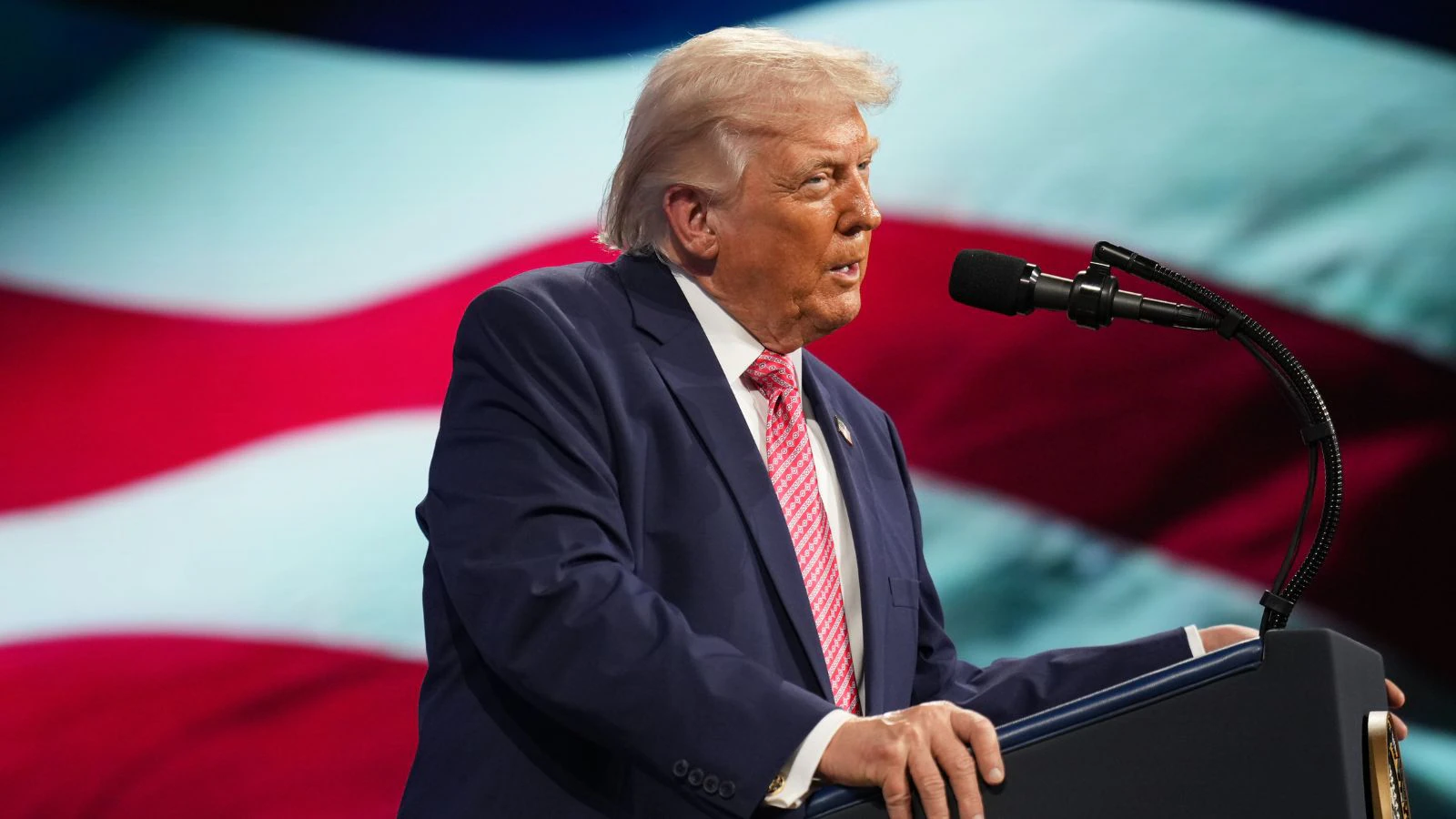
Trump announced the two-week suspension of US attacks on the condition that Iran agree to the “complete, and immediate, and safe opening of the Strait of Hormuz”. The move reportedly came at Pakistan’s urging; Prime Minister Shehbaz Sharif acted as the intermediary, proposing that Trump extend his deadline while Iran reopened the waterway as a goodwill gesture.
Iran’s response: conditional acceptance. Iranian Foreign Minister Abbas Araghchi confirmed that safe passage through the strait would be possible for two weeks “via coordination with Iran’s Armed Forces”. This showed that Iran is sticking to its “no trust on US but want peace in region” philosophy and wants its demands fulfilled as it negotiates a deal with Donald Trump.
Formal peace talks are expected to begin Friday in Islamabad, with Vice-President JD Vance likely leading the US delegation, reported Axios.
Iran is pushing 10 conditions, which include lifting all sanctions, withdrawing US forces from the region, and, most importantly, maintaining Iranian control over the strait’s passage protocols.
Iran’s 10-point conditions that the US is fundamentally committed to: pic.twitter.com/JjzGtz3lwa
— Iran Embassy In Malaysia (@iraninmalaysia) April 8, 2026
Why the Strait of Hormuz Is worth fighting over
If you want to understand this conflict, start with the geography. The Strait of Hormuz handled an average of 20 million barrels of oil per day in 2025, which is roughly 25% of all global seaborne oil trade, and around 20% of global LNG trade, according to the International Energy Agency. It is, by any measure, the jugular vein of the global energy distribution system.
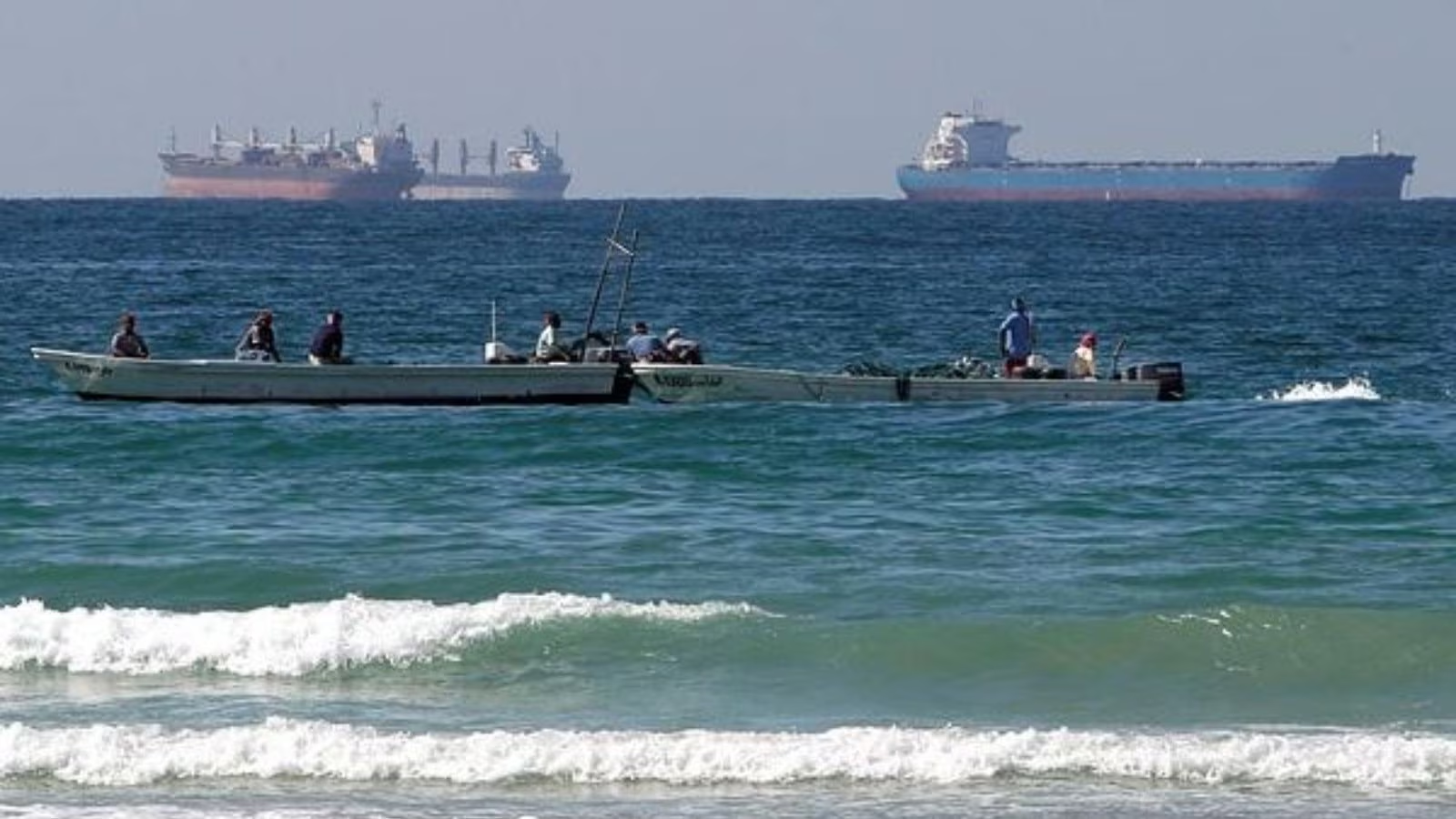
On a normal pre-war day, 120-140 commercial vessels passed through its two narrow shipping lanes. But Since February 28, when the US and Israel launched strikes on Iran, that number collapsed to near zero. Tankers sat idle off the coasts of Oman and the UAE, over 1,500 ships at one point, waiting.
The consequences were immediate. Brent crude topped $106 per barrel by mid-March, compared to roughly $70 a year earlier. World Economic Forum That’s a 50% spike in weeks. Fuel prices spiked globally. Supply chains buckled.
Story continues below this ad
Oil prices go down, but wait…
Markets moved the moment the ceasefire was announced. West Texas Intermediate crude fell more than 9% to around $96 per barrel within half an hour of Trump’s announcement, reported CBS News. Stock futures surged. Relief, albeit partial, was immediate.
But here’s the catch: the strait has been closed for over five weeks. Nearly 1,500 ships, many of them tankers, are still sitting off the coasts of Oman and the UAE, waiting to move, as per CBC News. Clearing that backlog will take time.
Prices will ease but gradually, and that too, if both side maintain the ceasefire agreement.
There’s also the matter of Iran’s terms. According to The New York Times, Iran would charge a fee of $2 million per ship for passage, with the proceeds to be split with Oman. That’s a new toll on the world’s most important shipping lane, one that didn’t exist before this war.
Story continues below this ad
Who gains and who loses?
Winners: for now, both Iran and the US are claiming victory. Trump told news agency AFP that the US has won a “total and complete victory” after agreeing a ceasefire deal with Iran. He also said that he believes China persuaded its key ally Iran to negotiate. Trump told the news agency, “We have a 15 point transaction, of which most of those things have been agreed on. We’ll see what happens. We’ll see if it gets there.”
Afterall, reopening the strait was among his goals, one which kept shifting continuously, though.
Asian economies, particularly China, India, Japan, and South Korea, could get some much-needed relief. China and India combined received 44% of these exports, as per the IEA.
Iran, paradoxically, also gains, at least on paper. Tehran’s statement claimed the deal confers upon Iran “a unique economic and geopolitical standing” through its control over regulated passage. If that holds in a final agreement, Iran emerges from the war with more leverage over global oil flows than it had before.
Story continues below this ad
Now, who loses? Gulf producers like Iraq, Kuwait, and Qatar, who have no alternative export pipelines, bled revenue through every day the strait was closed. The closure represented a supply shortfall close to 20% of global oil — three to five times larger than any previous geopolitical oil disruption in history. The damage to their economies has already been done.
Also, nations like Philippines, Sri Lanka, Pakistan, Thailand, Vietnam, Myanmar, Malaysia, and Laos among others have been hit hard and are likely to take some time to recover. Most of these nations took measures to mitigate the impact of the energy crisis. These ranged from declaration of Emergency, to implementing work-from-home policy and the government treasury doling out subsidies to offset the burden of rising fuel prices.
Israel, which pushed for tougher terms, got a ceasefire it didn’t fully want. Netanyahu and Saudi and UAE leaders had urged Trump to reject any deal without major Iranian concessions. They didn’t get that, reported Axios.
The crucial two weeks ahead
The ceasefire is fragile. After the deal was announced, missiles were still launched from Iran toward Israel and several Gulf states. Israeli officials, as per CBS News, remain skeptical; they fear the deal would fall flat if Iran doesn’t make good quickly on opening the strait.
Story continues below this ad
Other issues also remain. Iran’s nuclear programme, sanctions, US military presence in the region are all still on the table for discussion. Iran’s 10-point proposal includes withdrawing all US combat forces from regional bases, releasing frozen Iranian assets, and full payment of war-related damages.
These aren’t small asks and Trump might just dump them. In such a situation the two weeks ahead are going to be extremely crucial.