3 min readApr 19, 2026 02:43 PM IST
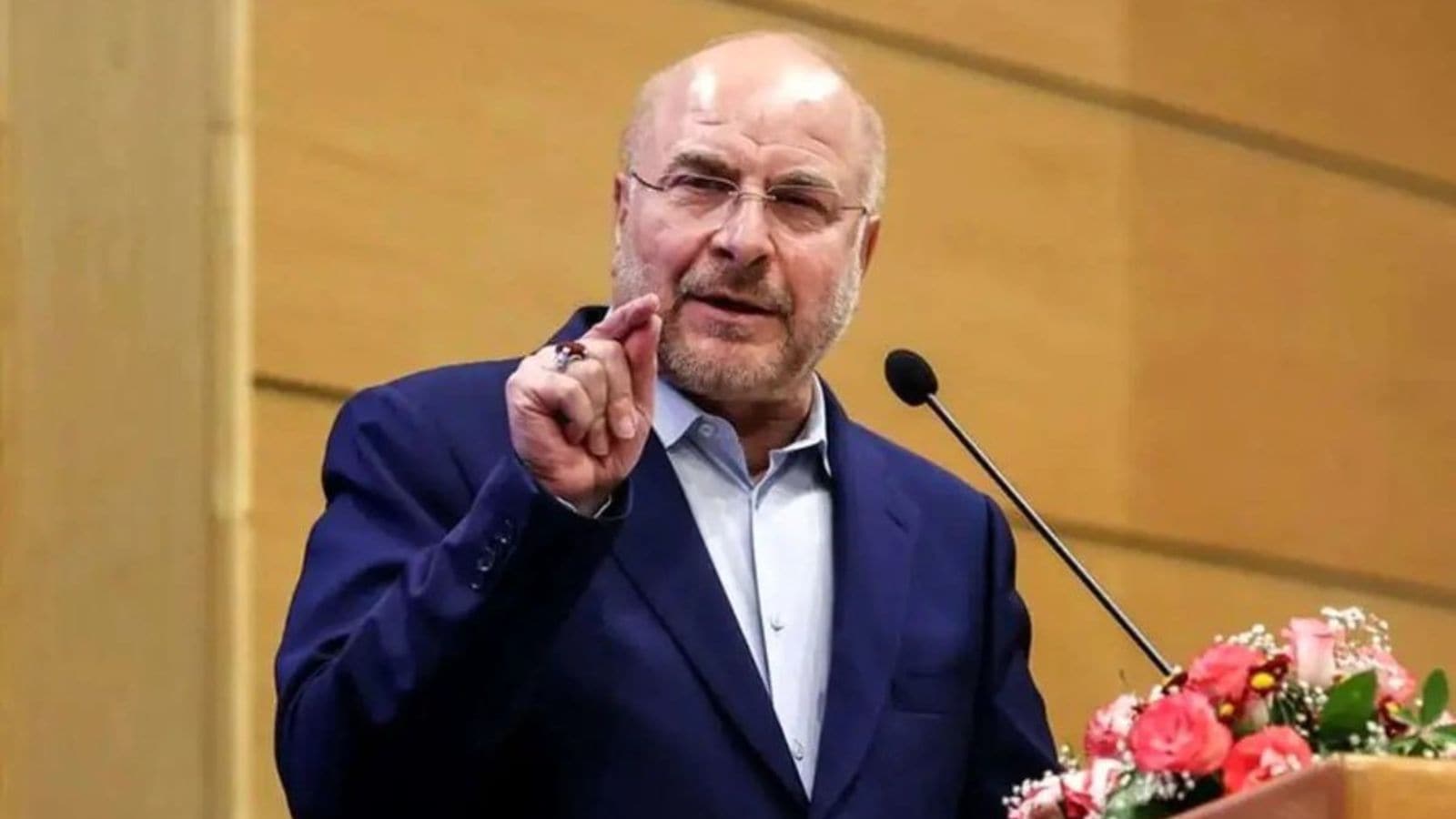
Iran’s Parliamentary Speaker Mohammad Bagher Ghalibaf Sunday declared that while “progress has been made” in negotiations to end the war with the United States, the two sides were “far from final discussion,” BBC News reported.
“There are some issues on which we insist… They also have red lines. But these issues could be just one or two,” Ghalibaf said while speaking to the Iranian state television.
Meanwhile, Iran early Sunday said that it won’t reopen the Strait of Hormuz — a key global energy route — unless the US ended its blockade of the Iranian ports. No date has been set for a second round of face-to-face talks between Washington and Tehran, Iran’s Deputy Foreign Minister Saeed Khatibzadeh stated, while criticizing US “maximalist” demands.
As the naval blockade continues to “remain in full force,” here’s the timeline of the talks between US and Iran in 2026:
February 28: Conflict erupts after the US and Israel jointly launched airstrikes on Iran following the collapse of diplomatic efforts. The confrontation quickly raises fears over the security of the Strait of Hormuz — a key route for the passage of a significant portion of global oil shipments.
March 6: US President Donald Trump hardens his position, saying there will be no agreement with Tehran “except unconditional surrender”. This signalled a sharp escalation in rhetoric and dims prospects for immediate diplomacy.
March 21: Trump sets a deadline for Iran to guarantee the opening of the Strait of Hormuz, warning that the US could target Iran’s energy infrastructure if Tehran does not comply.
Story continues below this ad
March 23: The US president postpones the deadline after what he calls “productive conversations” with intermediaries. The deadline is subsequently extended several times as back-channel diplomacy continues.
April 7: Trump escalates his warning, saying “a whole civilisation will die” if Iran does not open the strait before a fresh deadline, underscoring growing tensions over the vital shipping route.
April 8: Pakistan steps in as a mediator and announces a two-week ceasefire between the US and Iran to allow negotiations to continue.
April 11: Senior officials from both countries meet in Pakistan for marathon talks. The US delegation includes Vice-President JD Vance, while Iran is represented by Foreign Minister Abbas Araghchi. After 21 hours of back-and-forth discussions, the two sides remain far apart on key issues, including maritime security and sanctions.
Story continues below this ad
April 12: Trump announces a blockade of Iranian ports, intensifying pressure on Tehran and raising the stakes in the standoff.
April 17: Iran’s Foreign Minister Abbas Araghchi says the Strait of Hormuz will remain open for the remainder of the ceasefire period, signalling a temporary de-escalation. Trump, however, says the US naval blockade will continue.
April 18: Iran’s Islamic Revolutionary Guard Corps says it will block the strait again. Trump says “very good conversations” are taking place but insists the US will not be “blackmailed” over access to the waterway.
Latest Updates : An Iranian official says negotiations with Washington have made some progress but remain far from a final deal, indicating that while diplomatic channels are still open, major differences persist.
Stay updated with the latest – Click here to follow us on Instagram
© IE Online Media Services Pvt Ltd