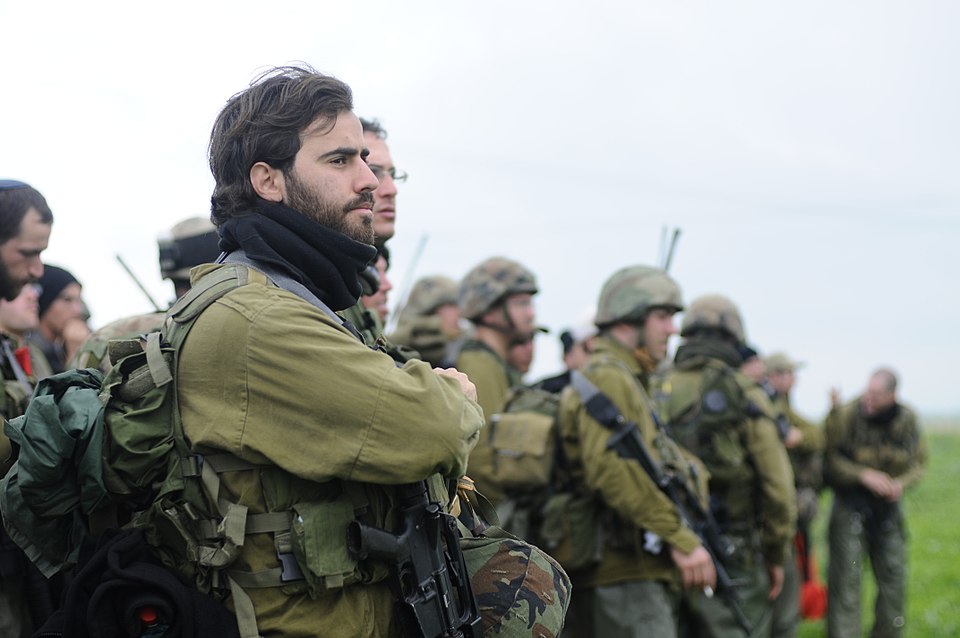
The Israeli military asked the Lebanese in the south, particularly the city of Tyre, to move to the north of the Zahrani River as it prepares to strike the city.
The three main parties to the war have agreed to a ceasefire after 40 days of unrest and violence in the Middle East.
What began as a targeted military operation hardened into a full-blown regional war that extended for weeks. The US announcement of a ceasefire agreement came after US President Donald Trump threatened to destroy Iran’s civilisation in one night.
Mr Trump had also issued a 48-hour ultimatum, on two different occasions, for Iran to allow free passage of ships through the Strait of Hormuz or risk having “all hell” break loose on them.
At least 2,076 people have been killed and more than 26,500 wounded in Iran since the war began, according to Iranian authorities.
Across Iran, Lebanon, Israel and other parts of the region, the casualties of the war run into the thousands.
The agreement followed Pakistan’s proposal of a two-phase truce. The deal allows for a two-week ceasefire, followed by negotiations that would include discussions around control of the Strait of Hormuz.
Tehran submitted a 10-point proposal to the US through Pakistan in response to a 15-point proposal from the US through Pakistan.
Mr Trump indicated that the two sides could reach a long-term agreement during the two-week ceasefire.
On Truth Social, he wrote, “We received a 10-point proposal from Iran, and believe it is a workable basis on which to negotiate.”
Iran’s ISNA news agency reported that parliament speaker Mohammad Qalibaf is expected to lead the Iranian negotiating team for talks in Islamabad with US Vice President JD Vance.
Most world leaders are welcoming of the ceasefire, with minority voices still critiquing the initial attack on Iran and Mr Trump’s repeated celebration of US war crimes.
Spain celebrated the ceasefire announcement but criticised Washington without naming it directly.
Prime Minister Pedro Sanchez said the “Spanish government will not applaud those who set the world on fire just because they turn up with a bucket.”
Mr Sanchez, who is one of the most vocal Western leaders who stood against the war, said the ceasefire is a “momentary relief” that should not “make us forget the chaos, the destruction and the lives lost.”
He insisted that the call for diplomacy, international law and peace must continue.
The Vice President of the European Commission, Kaja Kallas, said the ceasefire offers the warring parties an opportunity to step back and halt the missile exchange.
In her words, it “creates a much-needed chance to tone down threats, stop missiles, restart shipping, and create space for diplomacy towards a lasting agreement.
“The Strait of Hormuz must be open for passage again.”
The EU Commission President, Ursula Leyen, also said that negotiations for a long-term solution to the rift between the US, Israel and the EU have become crucial.
Pope Leo praised the agreement, saying, “In light of these past hours of great tension for the Middle East and for the whole world, I welcome with satisfaction.”
French President Emmanuel Macron called the agreement “a very good thing” and hoped it would be respected.
During a Defence and National Security Council meeting on Wednesday, he said, “We expect, in the coming days and weeks, that it will be fully respected throughout the region and will allow negotiations to take place.”
He also called for Lebanon’s inclusion in the ceasefire.
However, Israel said Lebanon is not included in the truce and instead issued evacuation warnings to residents.
The Israeli military asked residents of Southern Lebanon, particularly the city of Tyre, to move to the north of the Zahrani River as it prepares to strike the city.
Reuters reports that Prime Minister Benjamin Netanyahu’s office said in a statement that the ceasefire does not apply to Lebanon.
His statement contradicts Pakistan’s earlier comment that the agreement included a cessation of Israel’s campaign in Lebanon.
Meanwhile, Hezbollah has suspended its attack on northern Israel and on Israeli troops following the ceasefire announcement.
Reuters also reports that the rebel group is expected to issue a statement publicly declaring its position on the ceasefire and on Netanyahu’s claim that Lebanon is not included.
Oil prices fell, and stocks surged as news of the two-week ceasefire spread. The global economy has been rattled since the start of the war.