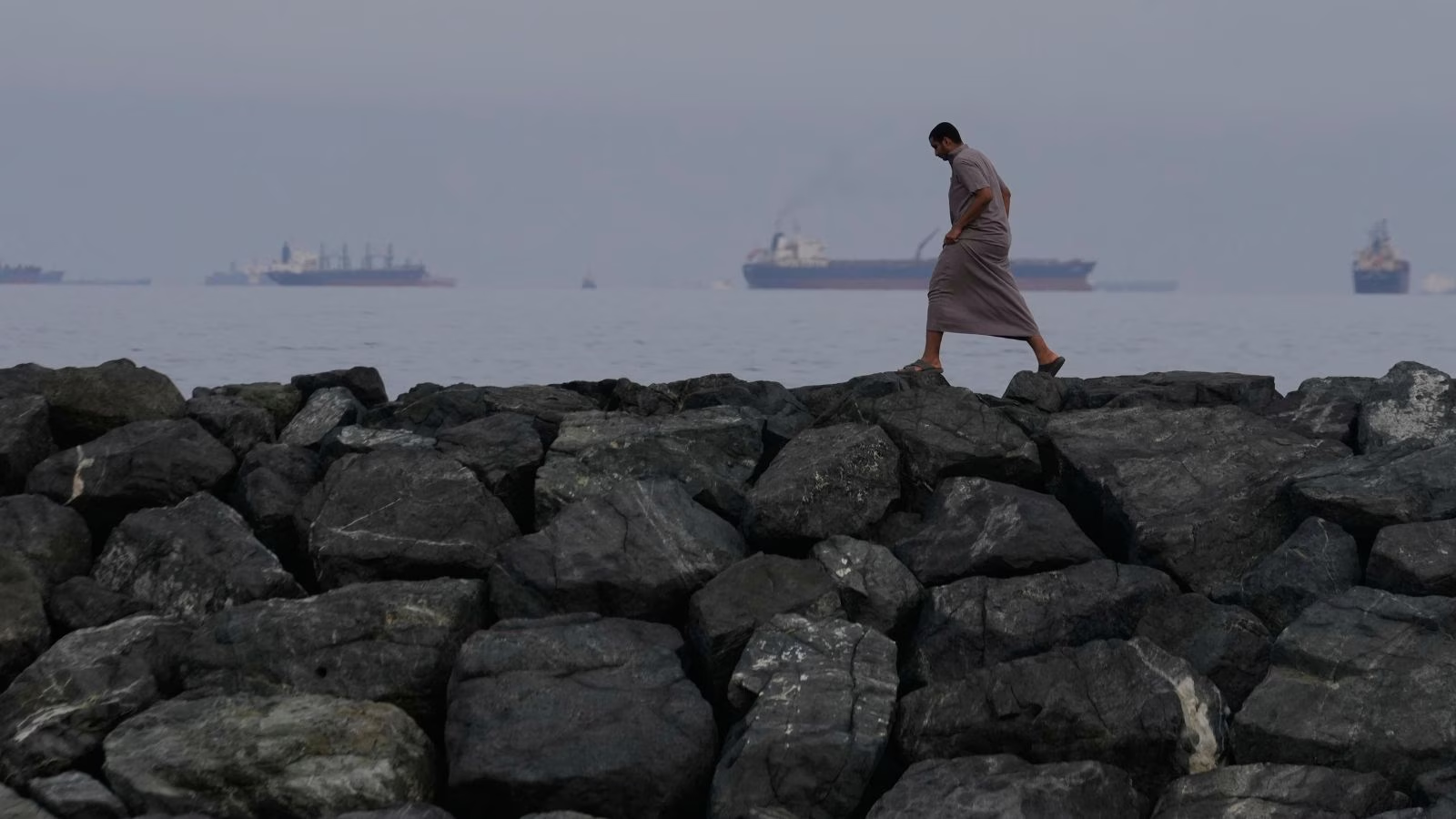
Shipping through the Strait of Hormuz is unlikely to resume in meaningful numbers until risks on the ground ease, not just rhetoric, maritime security expert Jennifer Parker said.
As fallout from failed US-Iran talks continues to disrupt one of the world’s most critical oil routes, Parker told Al Jazeera that global shipping companies are likely to welcome a US naval presence in the Strait of Hormuz, but they’ll need more reassurance before attempting to cross the waterway.
She explained that ships haven’t been going through the strait not because it’s closed, but because the “risk is too high”.
“To encourage ships to go through the strait, the US needs to be able to reassure them that it’s safe to do,” Parker said. She pointed out that the transit of two destroyers on Sunday was part of that reassurance campaign, as is getting clearance that there are no mines in the waterway.
“I think that there are a number of layers of that reassurance campaign,” she said.
Story continues below this ad
“But if we continue to see US naval presence, if we don’t see any more Iranian attacks on merchant shipping, if the US managed to either confirm that there’s no mines, or clear those mines, that’s when you’ll start to see ships start to flow back through.”
“Ships are not being physically blocked. They are being deterred,” Parker said, noting that traffic has plunged from roughly 130 daily transits to just a handful amid attacks and credible threats. “Shipping will return… when it is assessed to be safe enough.”
Risk, not closure, is keeping ships away
Despite ceasefire signals and claims from US President Donald Trump that the strait is open, most vessels have stayed put, with operators unwilling to rely on political assurances alone.
“Operators and crews will not move on the basis of political statements,” Parker said, pointing to conflicting messaging including Iranian suggestions that ships may need to notify authorities before transiting as a key source of uncertainty.
Story continues below this ad
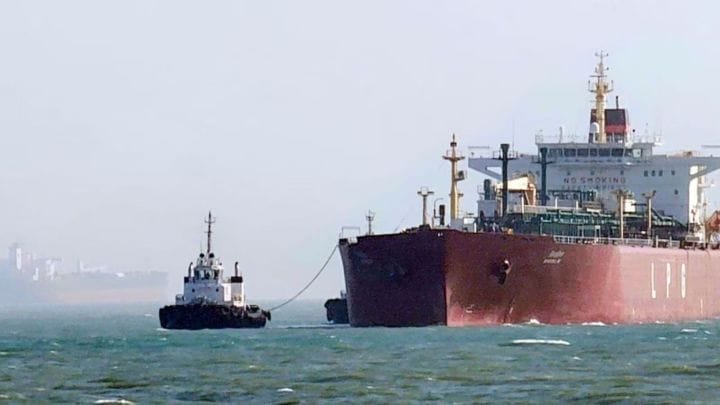
That ambiguity, she warned, risks allowing Tehran to test greater control over the waterway, including speculation around potential transit tolls, which would challenge established norms of free navigation under international law.
Reassurance, not rhetoric, will bring ships back
Parker outlined a two-step path to restoring traffic: first reducing the threat, then rebuilding confidence.
“To encourage ships to go through the strait, the US needs to be able to reassure them that it’s safe to do,” she said, adding that visible naval deployments, confirmation that no mines are present, and a halt to attacks on commercial shipping are all critical.
“That reassurance has layers… if we continue to see US naval presence, if we don’t see any more Iranian attacks… if the US manages to confirm there are no mines, or clear those mines, that’s when you’ll start to see ships flow back through.”
Story continues below this ad
She added that a broader international effort including surveillance, coordination and rapid response would be essential to restoring confidence in the route.
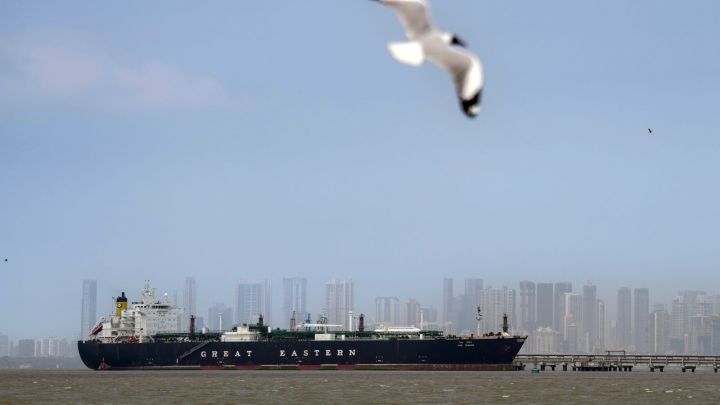
21-hour Islamabad talks collapse deepens crisis
The shipping disruption follows the breakdown of marathon negotiations between Washington and Tehran in Islamabad, where officials held nearly 21 hours of talks aimed at securing a ceasefire and stabilising the Hormuz corridor.
US President Donald Trump said the talks failed because Iran refused to abandon its nuclear ambitions, adding that he was unconcerned about reviving negotiations. “I don’t care if they come back or not I’m fine,” he said, while accusing Tehran of failing to uphold commitments on keeping the strait accessible.
Iran, however, disputed that account. Foreign Minister Abbas Araghchi said the sides were “inches away” from an agreement before the process collapsed, blaming the US for introducing “maximalism” and “shifting goalposts” at a critical stage.
Story continues below this ad
The collapse of the Islamabad talks has since fed directly into the current standoff with Washington moving towards a naval blockade and Tehran warning it will not “surrender under threats” leaving commercial shipping caught in a high-risk geopolitical flashpoint.
— with inputs from Al Jazeera


