An official described the project as a locally-driven renewable energy initiative designed to test the viability, affordability and replicability of biogas technology in schools and institutions across the state.
The Abia State Government says it has deployed a pilot biogas project in a secondary school at Owerrinta, Isiala Ngwa South Local Government Area of the state, as part of efforts to promote renewable energy and innovation.
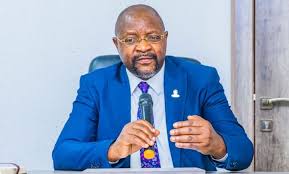
The Commissioner for Science, Technology and Innovation, David Kalu, stated this this on Monday in Umuahia during a news conference on the outcome of the State Executive Council meeting.
Mr Kalu described the project as a locally-driven renewable energy initiative designed to test the viability, affordability and replicability of biogas technology in schools and institutions across the state.
According to him, the pilot project which was recently deployed in the school, is expected to begin gas production within four weeks.
“The idea is to determine whether it is easy to implement, cost-effective and acceptable to the school community.
“If successful, it can be replicated in other schools and institutions across the state,” he said.
He said the state government would evaluate feedback from the school before considering a wider rollout of the initiative.
Mr Kalu also spoke on the federal government’s “Energised Commercialisation Now” an initiative aimed at promoting research and innovation across the country.
He explained that the programme encouraged states to identify viable research projects that could be recognised and commercialised at the national level.
According to him, Abia was directed to establish a committee comprising representatives from government, academia and industry to coordinate the initiative within the state.
The commissioner said the committee would include members from institutions such as Abia State University, Ogbonnaya Onu Polytechnic and Michael Okpara University of Agriculture, Umudike, as well as stakeholders from the private sector.
He said the committee would identify and assemble credible and commercially viable research projects from across the state for presentation at the federal level.
Mr Kalu further said the state government also intended to leverage the committee to develop a comprehensive research and innovation policy for Abia.
He said the proposed policy would focus on encouraging research that addresses the state’s needs, utilises local resources and supports commercially viable innovations.
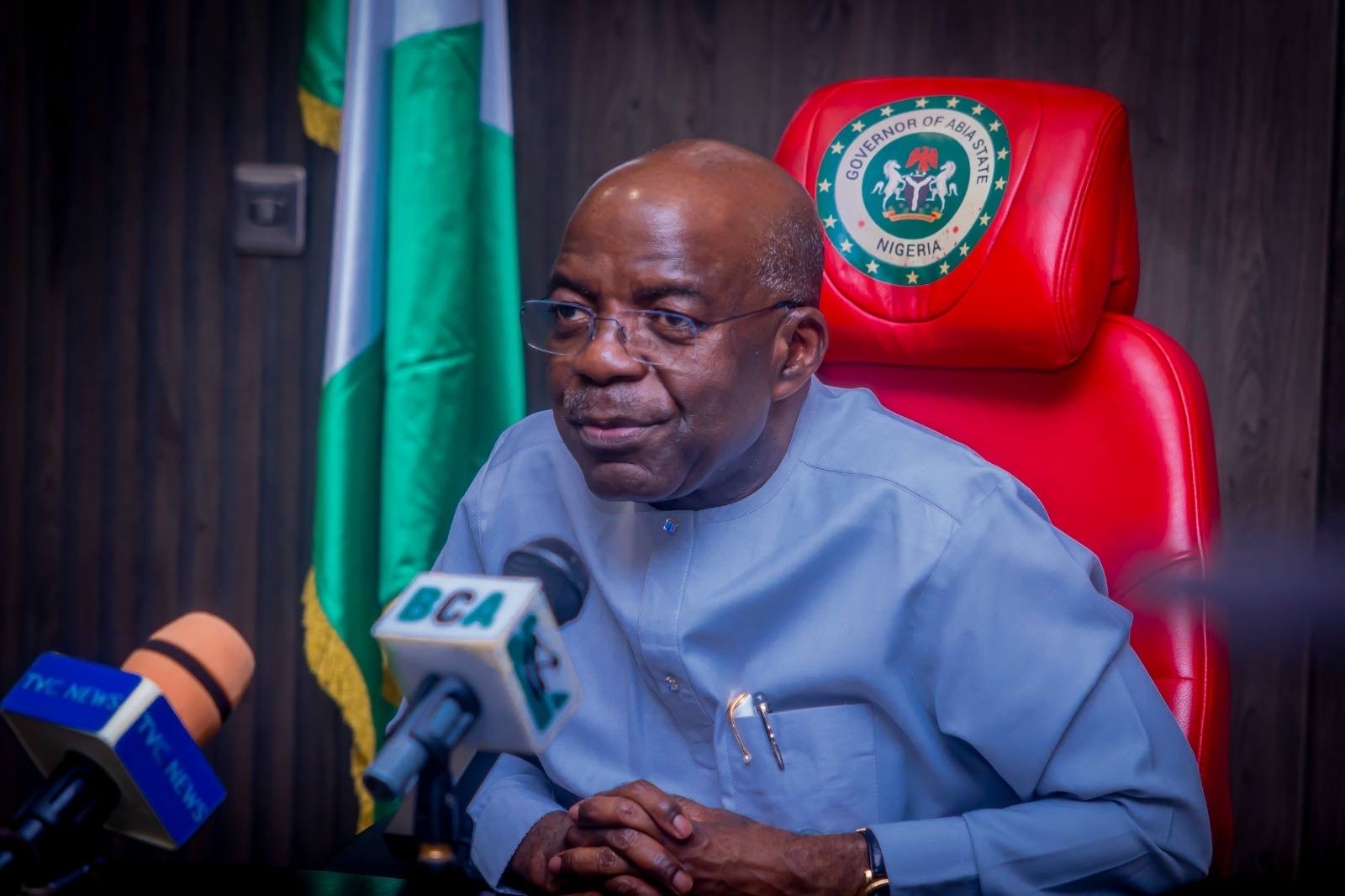
Also, the Commissioner for Information, Okey Kanu, told reporters that the biogas initiative had been designed to demonstrate the viability of generating renewable energy from organic waste within schools and other institutions.
According to him, the project, when fully operational, would also generate research data to support potential large-scale deployment across the state.
Okey also said that the initiative aligned with the state’s innovation, science and technology framework aimed at strengthening research and development.
(NAN)