Festus Akanbi
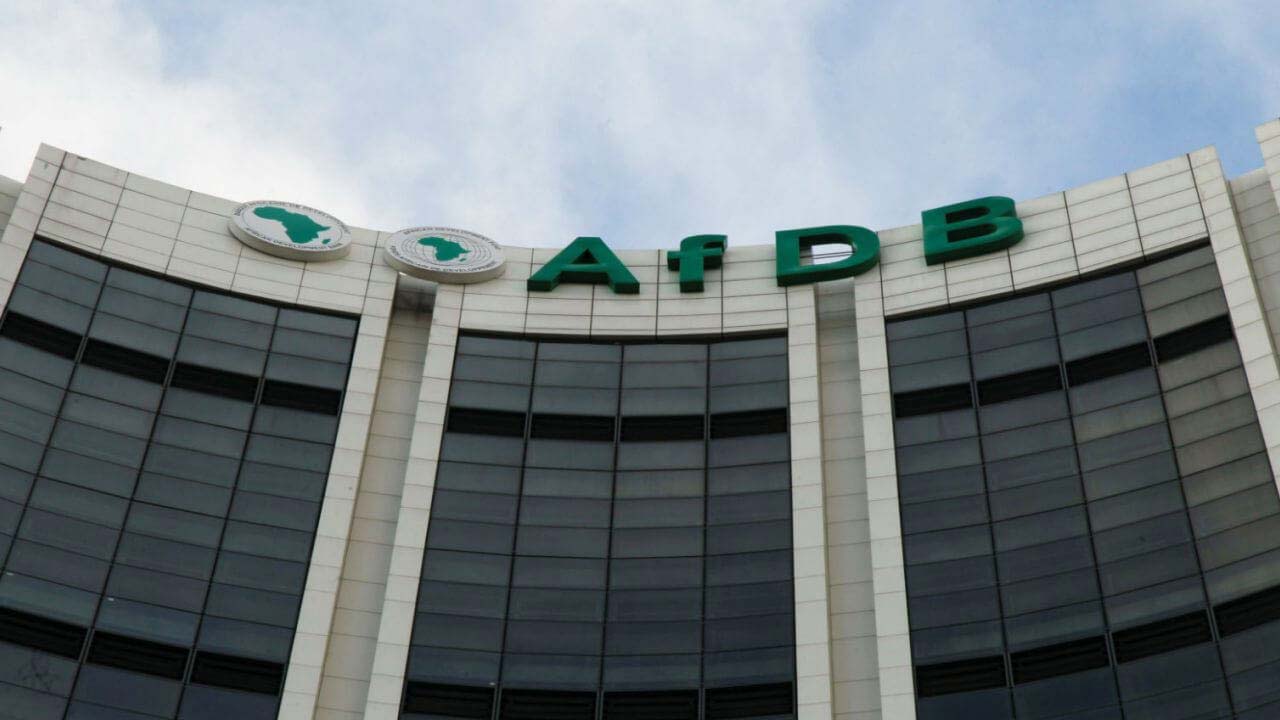
Nigeria’s push for industrial expansion and private-sector growth received a major boost over the weekend as the African Development Bank Group approved a $200 million financing facility for the Bank of Industry to support small and medium-sized enterprises (SMEs) operating in strategic sectors of the economy.
The approval, announced in a statement published on the AfDB’s website on Friday, is expected to deepen access to long-term financing for businesses in infrastructure, transportation, agro-processing, healthcare, pharmaceuticals, and green industrialization, sectors widely considered critical to Nigeria’s economic diversification drive.
Under the arrangement, the AfDB said the facility would provide “patient capital” needed to stimulate industrial growth, particularly among SMEs, women-owned enterprises, and youth-led businesses that often face difficulties accessing financing from conventional lenders.
Director General of the AfDB for Nigeria, Abdul Kamara, said the intervention was designed to channel resources into productive areas that can accelerate economic transformation.
According to him, Nigeria’s industrial ambitions require long-term financing structures beyond what the local market currently offers.
He said the facility would support entrepreneurs and businesses driving industrial growth, job creation, and economic diversification across the country.
Managing Director and Chief Executive Officer of BOI, Olasupo Olusi, described the approval as a strong vote of confidence in the institution’s development financing framework and its partnership with the AfDB.
Olusi noted that the latest intervention followed the successful repayment of an earlier $100 million AfDB credit facility in 2025 and would strengthen BOI’s capacity to support Nigerian enterprises across critical sectors.
Industry analysts said the development could provide much-needed relief for SMEs, which account for a significant share of employment and economic activities in Nigeria but remain heavily constrained by limited access to long-term credit.
The AfDB disclosed that at least 30 per cent of the financing would be dedicated to Nigerian SMEs as part of efforts to bridge longstanding funding gaps in the sector.
Beyond the core financing package, the facility also includes a $650,000 technical assistance grant from the Fund for African Private Sector Assistance (FAPA) to improve SME capacity, governance standards, and environmental and social compliance.
The bank said the intervention would also support climate-smart investments and low-carbon industrial projects, reflecting growing emphasis on sustainable industrial development across Africa.
According to the AfDB, the financing would support renewable energy initiatives, climate-smart agriculture, energy-efficient industrial operations, and sustainable infrastructure projects that reduce environmental pressures while boosting productivity.
In addition, a separate technical assistance component under the Affirmative Finance Action for Women in Africa (AFAWA) initiative is expected to enhance access to finance and market opportunities for women-owned businesses.
Analysts believe the intervention could also strengthen Nigeria’s local manufacturing base and healthcare value chains while reducing the country’s dependence on imports, especially in pharmaceuticals and industrial inputs.
The latest approval adds to a series of interventions by the AfDB to support Nigeria’s economic reform and private-sector development agenda.