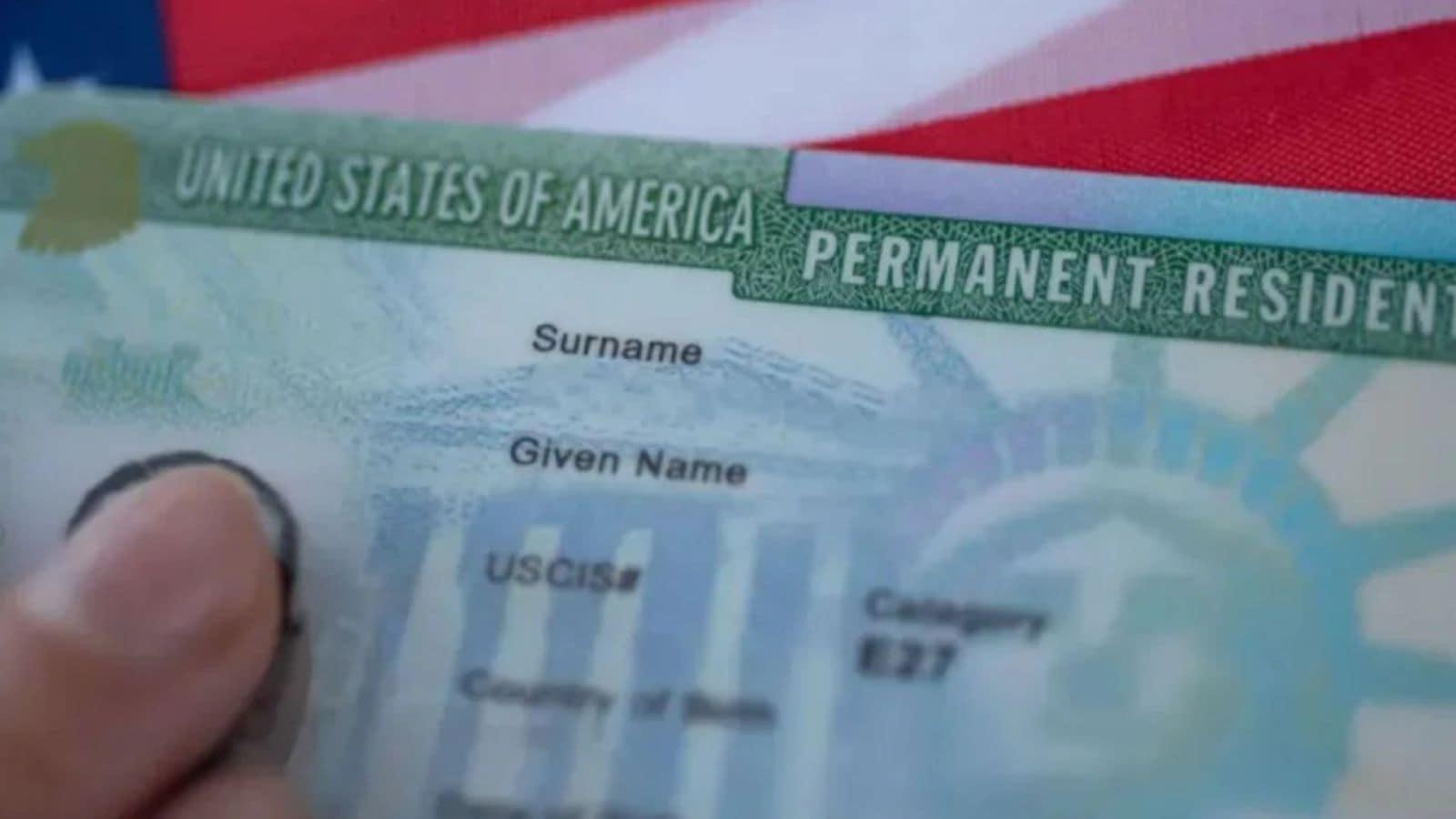
The Trump administration’s May 21 proposal requiring most green card applicants, including the estimated one million Indians currently in the EB backlog and the Indian H-1B-to-green-card pipeline that has dominated Indian-American immigration for five decades, to apply from their home countries appears to have been partially walked back following intense backchannel pushback from US business groups including the US Chamber of Commerce and major tech companies, The Washington Post reported.
US Citizenship and Immigration Services (USCIS) initially said applicants for permanent residency should apply from outside the United States “except in extraordinary circumstances”, triggering widespread uncertainty among foreign workers, but later told reporters that many applicants may not need to leave the country, though no formal walk-back has been announced.
Officers are directed to consider all relevant factors and information on a case-by-case basis when determining whether an alien warrants this extraordinary form of relief, the USCIS said.
The rule, if applied strictly, would have ended a half-century practice under which foreign workers in the US, including Indian H-1B holders who account for roughly 70 per cent of US H-1B visa issuance, could apply for permanent residency from within the country via Form I-485 (Adjustment of Status).
The alternative — Form DS-260 Consular Processing through US embassies abroad — has been paused for nationals of 75 countries by the State Department, and suspended for nationals of 19 “countries of concern” by USCIS following the November 2025 Washington DC shooting of two National Guard members by an Afghan national.
Story continues below this ad
Indian immigration lawyers warn that returning home to apply could also trigger 3-year or 10-year re-entry bars for applicants with periods of out-of-status residence, effectively trapping them outside the US for years.
Following the announcement, business groups, industry leaders and CEOs held discussions with officials from the White House and departments including Homeland Security, Labour and State, the report said.
Why did businesses raise concerns?
Industry groups, including the US Chamber of Commerce and companies in the tech sector, said the proposal could disrupt hiring and ongoing work.
They warned privately that forcing applicants to leave the US during the process would “harm” their workforce. Businesses that rely on skilled foreign workers said such a step could affect operations and create uncertainty for employees already in the country.
Story continues below this ad
The report added that these concerns were conveyed through calls, emails and backchannel discussions with officials.
Has the policy been clarified or changed?
After the pushback, the administration indicated that most work visa holders would not be affected. USCIS later told reporters that many applicants may not need to leave the country, though no formal announcement has been made.
A White House official told The Washington Post that the guidance reflects existing law and that decisions would be taken case by case. This means some applicants may be allowed to apply from within the US, while others may still be required to leave.
Immigration lawyers told the newspaper that the policy is effectively on hold until clearer instructions are issued.
Story continues below this ad
Why it matters to Indians
- Approximately 1 million Indians are currently in the green card backlog, according to the Cato Institute and USCIS data.
- The backlog for EB-2 and EB-3 Indian applicants can exceed 70-80 years at current processing rates.
- Indian H-1B holders typically file an Adjustment of Status (Form I-485) while remaining in the US — this is the process the new rule restricts.
- Forcing Indian applicants to return to India to apply via Form DS-260 would break a 50+ year practice for Indian tech and healthcare professionals.
- The Department of State’s consular processing for India has historically been one of the most backlogged.
What happens next for applicants?
There are signs that the rules may not be applied strictly in all cases. Neil Bradley of the US Chamber of Commerce said the group had heard that some recent applicants were not being asked to leave.
“This is welcome news, and we encourage the administration to provide greater clarity,” he said.
USCIS spokesperson Zach Kahler said the approach could reduce the number of people who stay in the US after being denied residency. He said it would also allow the agency to focus on other priorities, including humanitarian cases and citizenship applications.
“We’re returning to the original intent of the law to ensure aliens navigate our nation’s immigration system properly… This policy allows our immigration system to function as the law intended instead of incentivizing loopholes,” the USCIS said.
Story continues below this ad
For now, with no detailed rollout and mixed signals from officials, many applicants remain unsure about how the process will be implemented.