1 / 10
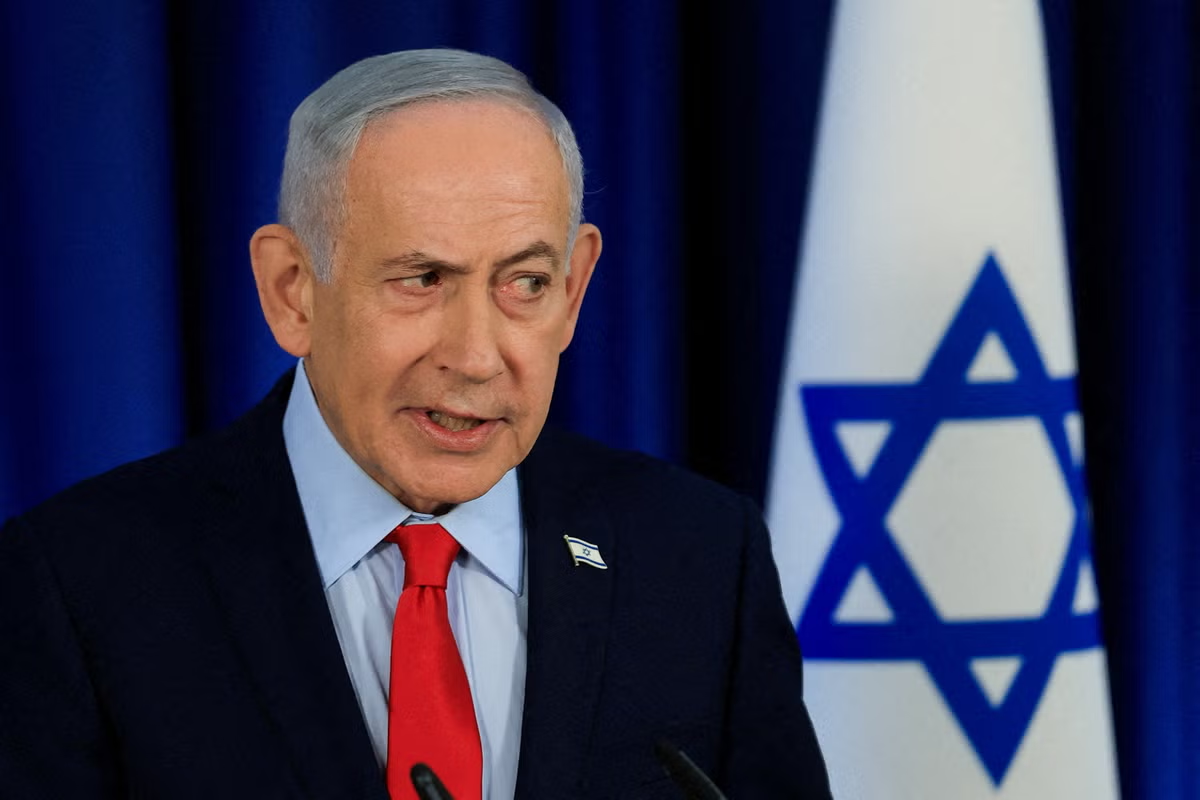
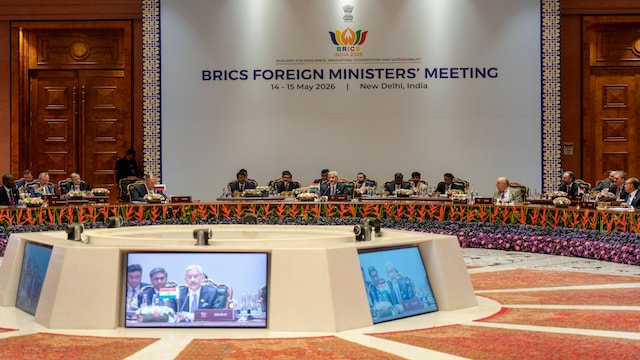
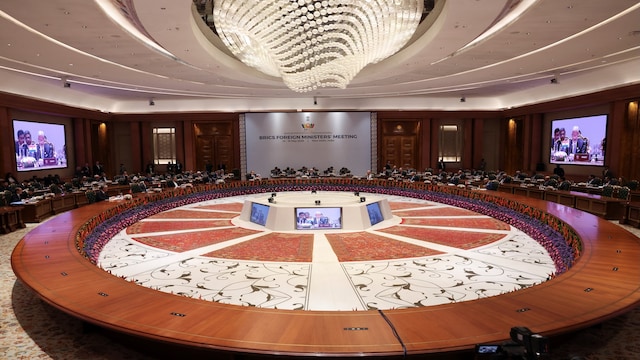
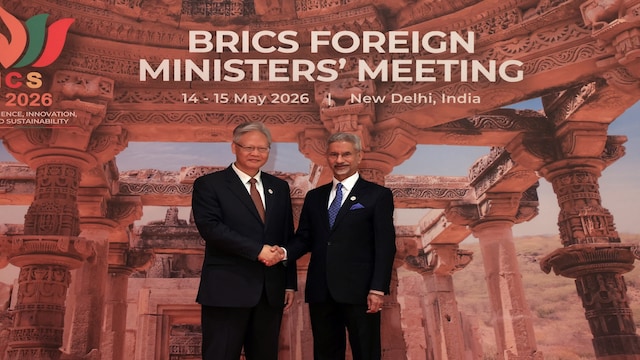
BRICS Meeting: Foreign ministers from BRICS countries began a two-day meeting in New Delhi on Thursday as the expanded grouping faced divisions over the Iran conflict, rising energy prices and global economic uncertainty. Ministers and diplomats from Brazil, Russia, India, China and South Africa attended the talks along with representatives from newer members, including Egypt, Ethiopia, Iran, Saudi Arabia, Indonesia and the United Arab Emirates.
 2 / 10
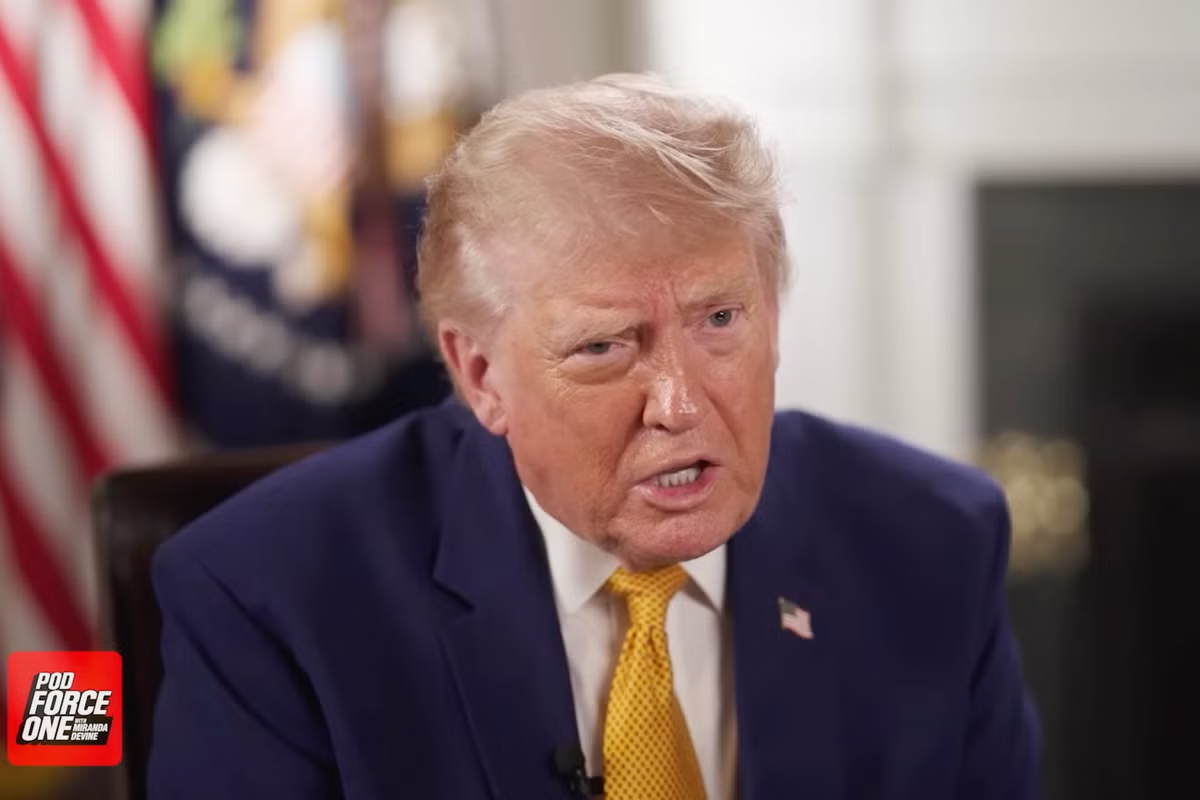
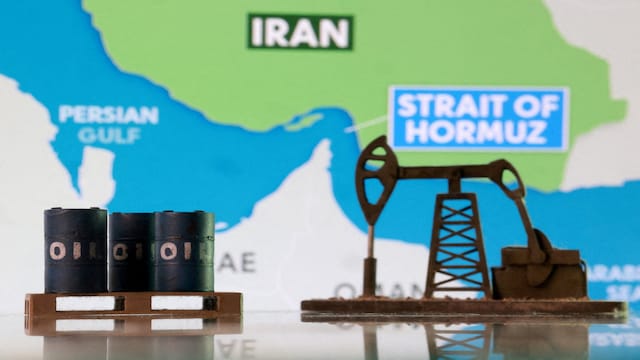
Global Concerns: The meeting came as the conflict involving Iran disrupted energy supplies and increased volatility in oil and gas markets, especially around Gulf shipping routes and the Strait of Hormuz. The talks also coincided with US President Donald Trump meeting Chinese President Xi Jinping in Beijing amid growing concerns over the economic impact of the West Asia crisis.
 3 / 10
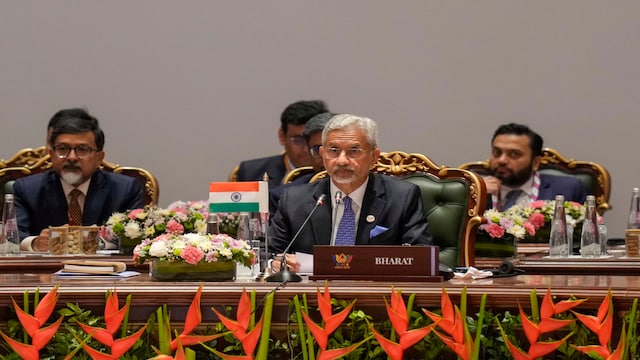
India’s Message: External Affairs Minister Subrahmanyam Jaishankar said the discussions would focus on global and regional developments and ways to deepen cooperation among BRICS nations. In his opening remarks, Jaishankar said the world was passing through a period of “considerable flux” because of conflicts, economic uncertainty and challenges related to trade, technology and climate.
 4 / 10
Stabilising Role: Jaishankar said emerging and developing countries increasingly expected BRICS to play a “constructive and stabilising role” in addressing current global challenges. He said many countries continued to face difficulties linked to energy, food, fertiliser and health security, along with limited access to finance. According to him, BRICS could help countries respond more effectively and strengthen economic resilience through reliable supply chains and diversified markets.
 5 / 10
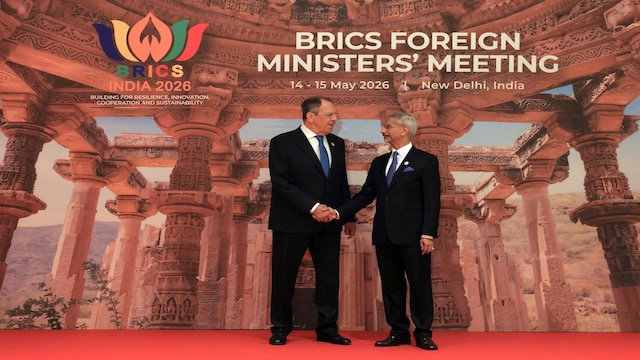
Dialogue Focus: Jaishankar said peace and security remained central to the global order and added that recent conflicts highlighted the importance of dialogue and diplomacy. He also called for stronger cooperation against terrorism. During a meeting with Russian Foreign Minister Sergey Lavrov on Wednesday evening, Jaishankar said political cooperation remained valuable in an “uncertain and volatile global environment.”
 6 / 10
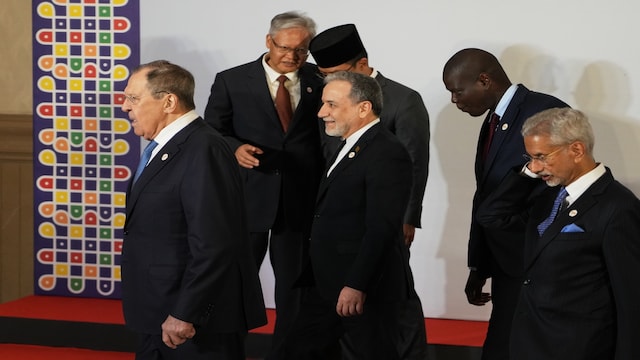
Key Attendees: Iranian Foreign Minister Abbas Araghchi and Lavrov attended the New Delhi meeting. China was represented by Ambassador Xu Feihong as Chinese Foreign Minister Wang Yi remained in Beijing during Trump’s visit. India’s foreign ministry said the visiting ministers would also meet Prime Minister Narendra Modi later during the conclave.
 7 / 10
BRICS Expansion: BRICS was formed in 2009 by Brazil, Russia, India and China as a platform for emerging economies seeking greater influence in institutions dominated by Western powers. South Africa joined in 2010. The bloc expanded in 2024 with the addition of Egypt, Ethiopia, Iran and the UAE, while Indonesia became a full member in 2025.
 8 / 10
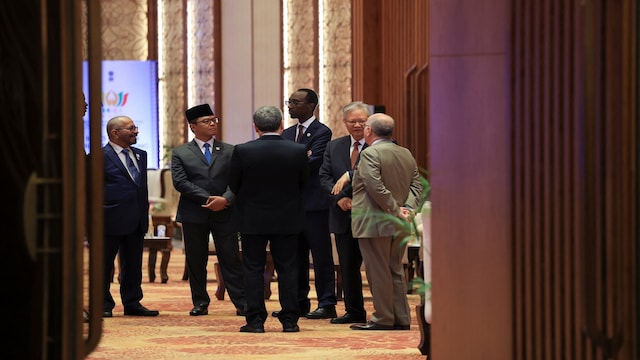
Growing Divisions: The grouping has expanded its global influence, especially across parts of the Global South, but internal divisions remain. India and China continue to compete for regional influence, while member countries differ in their ties with Western nations. Russia’s war in Ukraine has also exposed differences within the bloc over major geopolitical issues.
 9 / 10
Middle East Strain: The expansion of BRICS has added new pressures as competing regional interests make consensus more difficult. Divisions sharpened further during the Middle East conflict, with Iran and the UAE pursuing different regional priorities despite both being BRICS members. The differences have complicated efforts to present a common position on the crisis.
 10 / 10
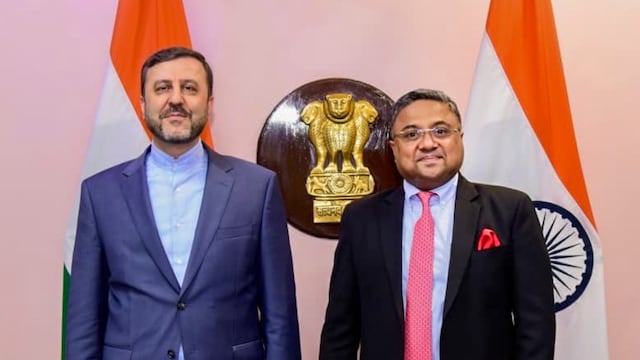
Consensus Question: Iran’s deputy foreign minister Kazem Gharibabadi said disagreements within BRICS had prevented the bloc from reaching a unified position on the Iran conflict. Speaking to Press Trust of India, Gharibabadi said “one member country” had pushed for language condemning Iran, making consensus difficult. India’s foreign ministry spokesperson Randhir Jaiswal later said it was unclear whether the meeting would end with a joint statement.