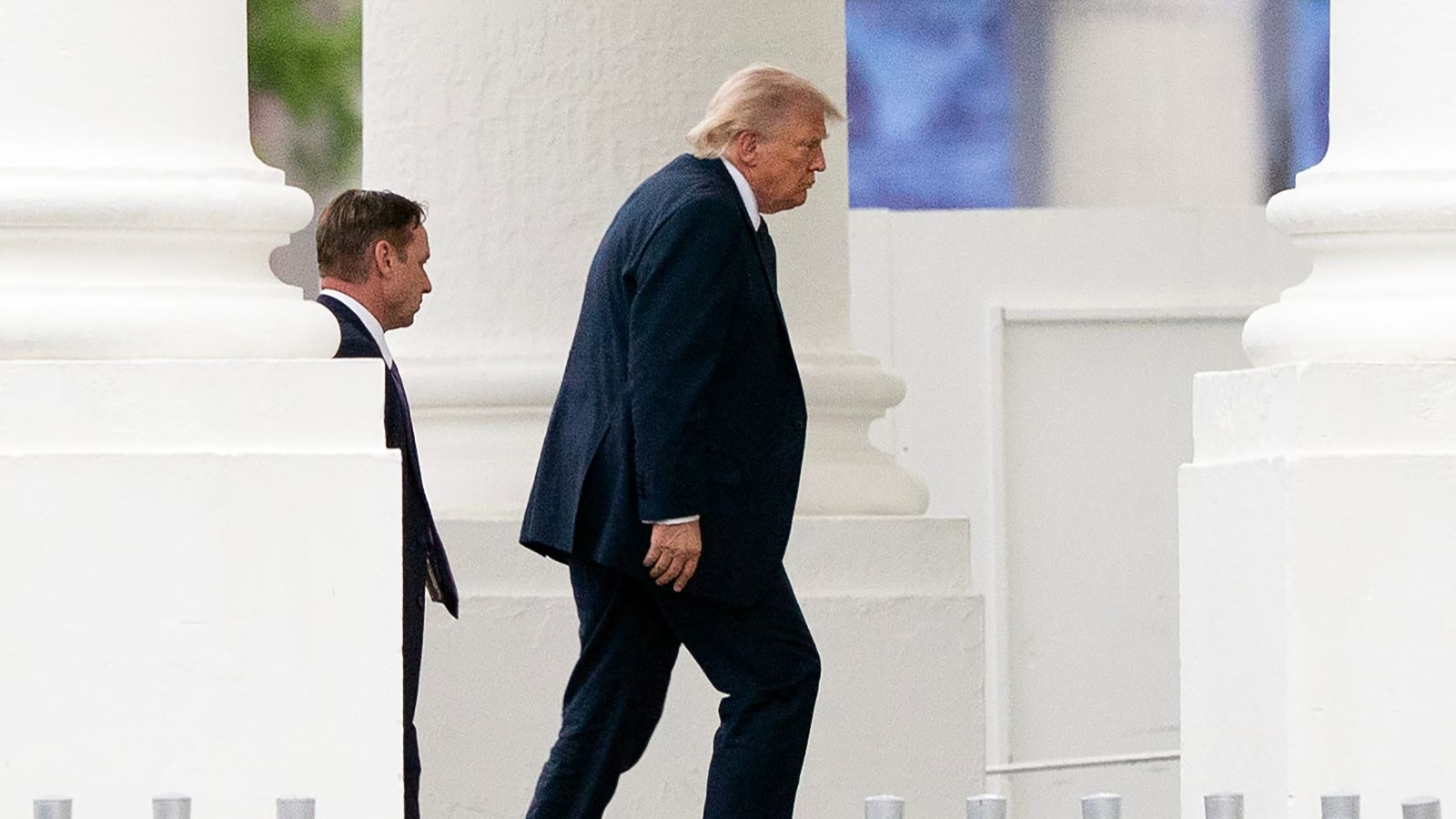
US President Donald Trump said a deal with Iran to end the conflict, including reopening the Strait of Hormuz, has been “largely negotiated”.
In a social media post, Trump said “final aspects and details of the deal are currently being discussed” and would be announced soon. He described the understanding as a “Memorandum of Understanding pertaining to peace” involving the United States, Iran, and several regional countries.
Trump said he had spoken with leaders of Saudi Arabia, the United Arab Emirates, Qatar, Pakistan, Turkey, Egypt, Jordan, and Bahrain, as well as Israeli Prime Minister Benjamin Netanyahu.
There was no immediate response from Iran or Israel.
What Trump said
Trump said the agreement was close but not final. “Final aspects and details of the deal are currently being discussed,” he said.
🚨 “An Agreement has been largely negotiated, subject to finalization between the United States of America, the Islamic Republic of Iran, and the various other Countries, as listed…” – President Donald J. Trump pic.twitter.com/Z49bOkkUoh
— The White House (@WhiteHouse) May 23, 2026
He added that his call with Netanyahu “went very well”, even as Israel had earlier pushed for stronger military action against Iran.
The US president has in recent weeks warned of possible strikes on Iran but said he paused action due to “serious negotiations” underway.
Story continues below this ad
Progress and concerns
A regional official familiar with the talks told AP that the US and Iran were moving closer to an agreement, though “last-minute disputes” could still delay it.
The proposed deal could include:
- A formal declaration to end the war
- Talks on Iran’s nuclear programme over the next two months
- Reopening of the Strait of Hormuz
- An end to the US blockade of Iranian ports
- Iran has not confirmed these details.
Iran’s position
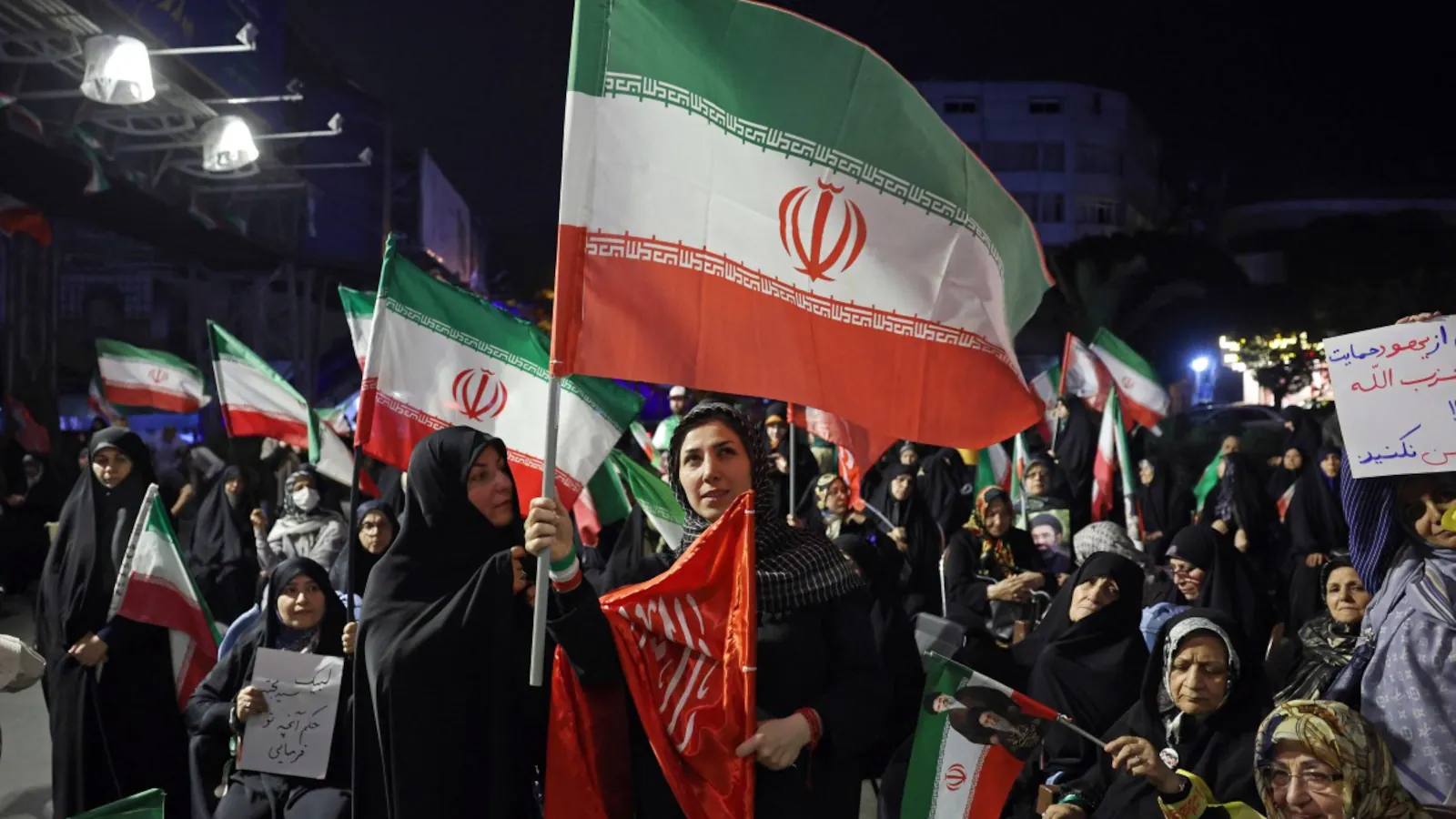
Iran described the draft as a “framework agreement” for further talks, according to state media cited by AP.
Foreign Ministry spokesperson Esmail Baghaei said the aim was to end the war first, with other issues to be discussed later. “We want this to include the main issues required for ending the imposed war,” he said.
He added that nuclear issues are not part of the current stage of negotiations, while lifting sanctions remains a key demand for Tehran.
Story continues below this ad
Regional diplomacy
Talks have involved several countries, with Pakistan playing a mediating role. Pakistan’s army chief Asim Munir met Iran’s President Masoud Pezeshkian and other senior officials in Tehran.
#Iran #Pakistan https://t.co/P2BJ2QnTcu pic.twitter.com/sra96mPdxF
— Tehran Times (@TehranTimes79) May 23, 2026
Iran’s parliament speaker Mohammad Bagher Qalibaf said Tehran had rebuilt its military strength and warned that any renewed US attack would be met with a stronger response, AP reported.
The conflict began after US and Israeli strikes on Iran on February 28, which disrupted ongoing nuclear talks. Iran responded with attacks on Israel and on countries hosting US forces.
A ceasefire has been in place since April 7, but tensions remained high after Iran effectively closed the Strait of Hormuz, a key route for global oil and gas supplies.
The war’s key issues, including Iran’s nuclear programme and regional alliances, remain unresolved.