
From the optimism of independence in 1960 to today’s recurring debates over wage reviews, the experience of Nigerian workers has been shaped by shifting economic fortunes, policy experiments, and a persistent struggle to ensure that earnings remain meaningful in the face of inflation and structural economic pressures.
Early Times
At independence, Nigeria operated a fragmented wage system inherited from colonial administration, where salaries varied across regions and sectors, and were largely designed around administrative convenience rather than equity. Early reform efforts in the 1960s, including the Tudor Davies Commission of 1963, recommended improvements in public service remuneration. However, political instability and the civil war between 1967 and 1970 disrupted economic planning, weakened institutions, and delayed any meaningful national wage restructuring.
Post War
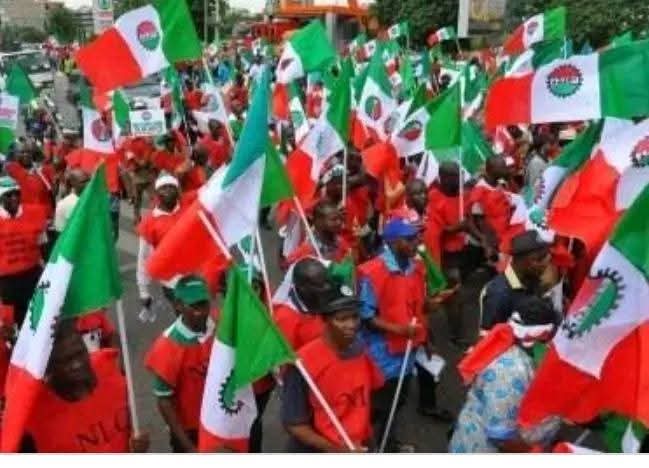
The post war oil boom of the 1970s marked a turning point in state revenue and labour expectations. Government earnings rose sharply from under 200 million dollars in the late 1960s to over 10 billion dollars annually by the mid 1970s, fueling rapid public sector expansion. This fiscal surge culminated in the Udoji Salary Review of 1974, which increased public sector wages by between 100 and 130 percent in several categories. Despite this landmark adjustment, inflationary pressure in urban centres quickly eroded gains, as rising import dependence pushed living costs upward. It was also in this era that organised labour consolidated nationally with the formation of the Nigerian Labour Congress in 1978, strengthening collective bargaining power across sectors.
Economic Downtime in 1980s, 90s
The economic downturn of the 1980s and 1990s introduced one of the most difficult periods for Nigerian workers. The Structural Adjustment Programme introduced in 1986 triggered currency devaluation of over 70 percent within a few years, alongside subsidy removals, wage freezes, and large scale retrenchment in the public sector.
Although the first national minimum wage of ₦125 was introduced in 1981, inflation which rose above 30 percent in several years quickly wiped out its purchasing value. This period also saw intensified labour activism, with repeated nationwide strikes by oil workers, university lecturers, and civil servants over unpaid salaries, fuel price increases, and deteriorating welfare conditions, making industrial action a defining feature of state labour relations.
Return of Democracy
With the return to democratic governance in 1999, labour relations shifted toward structured negotiation. The minimum wage was reviewed to ₦3,000 in 2000, representing a nominal increase of over 2,000 percent compared to the 1981 benchmark, although real purchasing power remained weak due to accumulated inflation over the years.
The 2004 pension reform introduced the Contributory Pension Scheme, marking a major institutional reform that improved transparency and reduced pension fraud in the public sector. However, implementation gaps persisted at subnational levels, where irregular payments and salary arrears remained widespread.
Minimum Wage Timeline amidst inflation et al
Between 2010 and 2019, wage policy became a central political and economic issue. The minimum wage was increased to ₦18,000 in 2011 and later to ₦30,000 in 2019 after prolonged negotiations and nationwide labour strikes.
However, this period also recorded inflation averaging between 10 and 18 percent annually, alongside sustained naira depreciation in the parallel market. By 2019, economic analysts estimated that the real value of the ₦18,000 wage had already fallen significantly, and even the newly approved ₦30,000 wage faced immediate erosion due to rising food, transportation, and housing costs.
From 2019 to date, Nigeria’s labour environment has been defined by accelerating inflation, foreign exchange volatility, and deepening cost of living pressures. Inflation has surged above 20 percent in multiple years, with food inflation reaching even higher levels in some periods, significantly weakening household purchasing power.
Demand for wage Increase
Labour unions have consistently demanded a new wage structure, with proposals ranging between ₦60,000 and ₦70,000, citing the collapse in real incomes and rising multidimensional poverty. Meanwhile, several state governments continue to struggle with full implementation of the current wage structure, while over 60 percent of Nigeria’s workforce remains in the informal sector without structured wage protection.
Beyond wage negotiations, Nigeria’s labour history is also defined by major institutional and industrial milestones. These include repeated nationwide strikes in the oil sector that shaped revenue policy, academic strikes that influenced education funding debates, and the gradual strengthening of labour unions as key actors in national policy discourse. These struggles have consistently positioned labour as both an economic and political force in governance discussions.
From the Labour Perspectives
Speaking with Blueprint Newspaper in a phone conversation on the state of workers’ welfare in Kaduna on Friday, the Chairman of the Nigeria Labour Congress, Kaduna State chapter, Comrade Ayuba Suleiman Magaji, said the struggle for improved conditions of service remains ongoing, even as he acknowledged recent interventions by the state government aimed at easing economic pressure on workers.
He commended Governor Uba Sani for introducing free transportation for civil servants, describing it as a significant welfare intervention that has reduced commuting costs at a time of rising living expenses.
He further disclosed that organised labour is pushing for an upward review of the minimum wage in line with current economic realities. He expressed optimism that ongoing engagements with the state government would yield positive outcomes, while stressing that the broader struggle for improved living standards remains unresolved.
Endless battle for Living Wage
Across six decades, a clear pattern has persisted. Wage increments in Nigeria have repeatedly been overtaken by inflation, currency depreciation, and structural economic pressures, resulting in a cycle where nominal improvements rarely translate into sustained real income gains. From ₦125 in the early post independence period to ₦30,000 in 2019, wages have increased numerically, but purchasing power has remained under continuous strain.
Ultimately, the Nigerian worker’s experience reflects deeper structural challenges beyond wage reviews alone. These include productivity constraints, inflation management, economic diversification, and the sustainability of income growth in a volatile macroeconomic environment. Until these issues are addressed in a coordinated and sustained manner, the story of Nigerian labour will continue to reflect periodic gains that are repeatedly eroded by economic realities.