The Nigerian government has confirmed that it has no plans to reinstate the fuel subsidy, despite growing public concern over the rising cost of living.
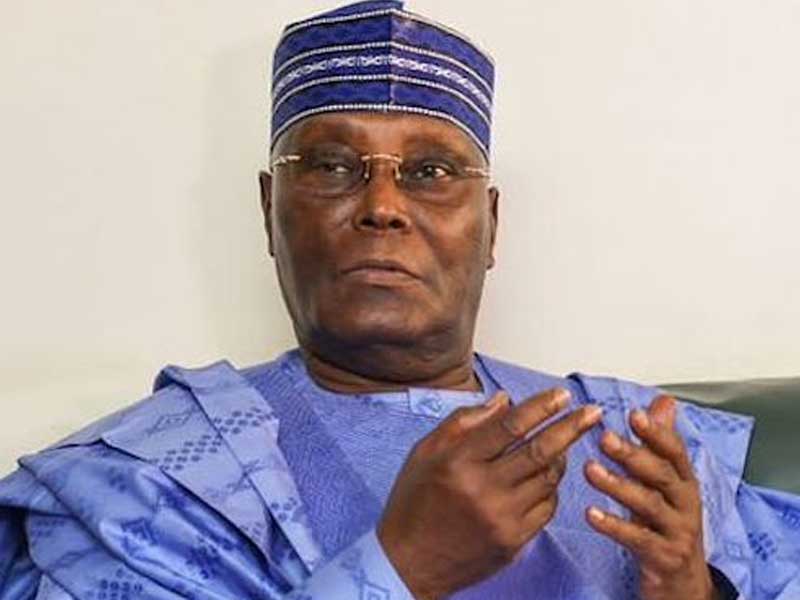
Finance Minister and Coordinating Minister of the Economy, Taiwo Oyedele, made the statement on Tuesday in Paris during a high-level meeting between President Bola Tinubu and global investors. Oyedele emphasized that the fuel subsidy system had caused significant economic distortions and that the government is committed to maintaining its removal.
He stressed that petrol pricing would remain market-driven, arguing that government intervention through price control or subsidy would undermine long-term economic stability.
Oyedele said the Presidency believes the market is capable of self-regulation, adding that ongoing reforms are designed to correct structural imbalances rather than reverse them.
The Minister’s comments come against the backdrop of worsening inflationary pressures since the subsidy removal in May 2023, which saw headline inflation climb from 22.41% to 34.19% by June 2024, with food inflation crossing 39% by October 2024. The policy shift, alongside currency depreciation, also triggered a sharp rise in transport costs and deepened cost-of-living challenges across the country.
Oyedele, however, defended the reforms, noting that Nigeria recorded 11.2% GDP growth in dollar terms in 2025, which he said supports the administration’s ambition of building a $1 trillion economy by 2030.
He also assured investors that the government would begin publishing quarterly financial data as part of efforts to deepen transparency and fiscal discipline.
President Tinubu, in his remarks to investors from Citibank, Amundi, BlueCrest, Ninety One, PGIM, and others, said his administration’s reform agenda is focused on removing economic distortions, stabilising macroeconomic indicators, and driving inclusive growth.
He further highlighted improvements in foreign exchange stability following subsidy removal, describing the policy as necessary for long-term economic balance.
Tinubu also reiterated his government’s commitment to transparency in the oil sector, security reforms including police decentralisation, and efforts to disrupt terrorist financing.
The President assured investors that policy consistency and disciplined execution remain central to his post-2027 economic agenda, as Nigeria seeks to consolidate recent reforms into measurable gains for citizens.