By Lawrence Zongo
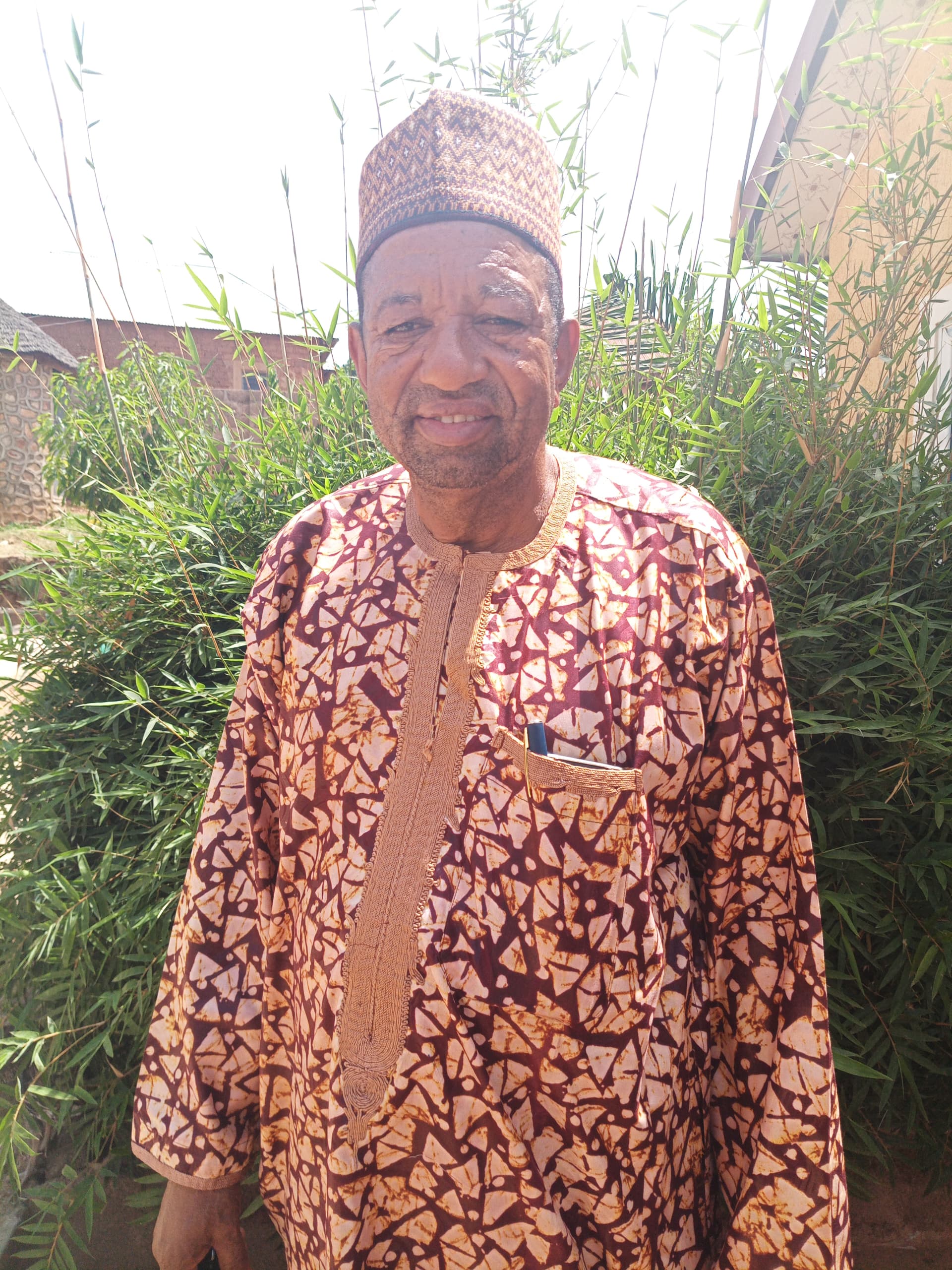
(Jos) In the hills surrounding Jos, Rev. Buba Aliyu says many Christians from the tribe often linked to terrorism – the Fulani – are living between two mountains of anxiety.
One mountain is fear of attacks from radicalized Fulani Muslims themselves. The other mountain is fear of rejection by those who equate Fulani identity with violence.
“We want people to understand that not every Fulani person is a terrorist,” Aliyu told TruthNigeria. “There are Fulani teachers, Fulani soldiers, Fulani police officers, and Fulani Christians living peacefully.”
The Fulani — also called Fulbe or Fula — are one of Africa’s largest ethnic groups, spread across West and Central Africa. In Nigeria, many Fulani raise cattle and move seasonally in search of grazing land, while others live in towns and work in government, business, education, and security services. Over the years, violent attacks linked to armed groups identified as Fulani militias have traumatized millions of rural residents in Nigeria’s Middle Belt, especially in Plateau, Benue, and Kaduna states.
For Nigerians affected by killings, kidnappings, and village raids, Fulani identity has increasingly become linked with violence. But Fulani Christians interviewed by TruthNigeria say that the stereotype often leaves little room for acceptance of their community.
Aliyu leads Fulbe Outreach International, a ministry with more than 5,000 members focused on evangelism among Fulani communities across Nigeria and West Africa. He recently stepped down from leadership of the Fulbe Christian Association in Nigeria to focus on missionary work.
“‘Fulo’ means one Fulani person, while ‘Fulbe’ means many people,” he explained. “Our prayer is for Fulbe Outreach International to spread across Nigeria and West Africa for the salvation of the Fulani.”
Originally from Hawul Local Government Area of Borno State, Aliyu said he became a Christian in 1995 and started preaching among Fulani communities four years later through a group known as “Yad da Bishara.” According to him, the outreach later recorded more than 1,000 converts.
As violence spread across northern Nigeria and the Middle Belt, Aliyu said Fulani Christians began organizing themselves to make their presence visible.
“We added ‘Fulbe’ to the Christian Association of Nigeria, because we wanted people to know there are Fulani Christians too,” he said.
Today, his ministry combines evangelism with humanitarian outreach. Teams travel to remote settlements distributing food, clothing, radios, and Christian literature, including Bibles in Fulfulde, Hausa, Arabic, and French. The ministry also provides veterinary and medical support to pastoral communities.
Still, Aliyu says the work continues with limited resources.
“We need a permanent office, a vehicle to reach remote areas, computers, projectors, cameras, and more workers willing to sacrifice for this mission,” he said.
Aliyu estimates there are about 10 million Fulani Christians in Nigeria, compared to a wider Fulani population he placed at more than 17 million.
When asked about international perceptions linking Fulani identity with terrorism, he acknowledged that some armed groups carrying out attacks are Fulani, but said broad generalizations have affected peaceful families as well.
“Those committing terrorism are not even a quarter of us,” he said. “There are many Fulani seeking peace.”
“We Are Also in Danger”
In Miango District, northwest of Jos, Dauda Isa says he has spent years trying to convince both Christians and Muslims that he should not be judged by the actions of armed militias.
Isa, a hunter and Fulani Christian convert, told TruthNigeria that seven members of his family were killed in attacks allegedly carried out by Fulani militias.
“Seven members of my family were killed,” Isa said. “They also rustled our cows because we are Christians.”
He said he has no connection with groups such as the Miyetti Allah Cattle Breeders Association of Nigeria and believes the public should distinguish between armed groups and Fulani Christians.
“People should differentiate between Fulani terrorists and real Fulani Christians,” he said.
According to Isa, repeated attacks across Plateau State have also created mistrust toward Fulani converts inside some Christian communities.
“Sometimes Christians are not relating with us because of the Fulani militias killing my fellow Christians,” he said. “We are also in danger.”
Isa said Fulani Christians in rural communities often feel overlooked by humanitarian organizations and faith-based groups responding to violence in northern Nigeria.
“We are more persecuted, but nonprofit organizations ignore us,” he said. “Faith NGOs are not coming to our rescue, because we are minority Christians.”
Living in isolated communities with limited security presence has also forced some families to think about protecting themselves, he added.
“We are not protected,” Isa said.
Despite the insecurity, both Isa and Aliyu say they want greater recognition for Fulani Christians who reject violence and continue living in communities fractured by years of conflict.
Aliyu said his ministry’s goal is to preach Christianity without attacking other tribes or religions.
“We do not want to insult any tribe or religion,” he said. “We want words that bring glory to God.”
Lawrence Zongo is a Conflict Reporter for TruthNigeria.