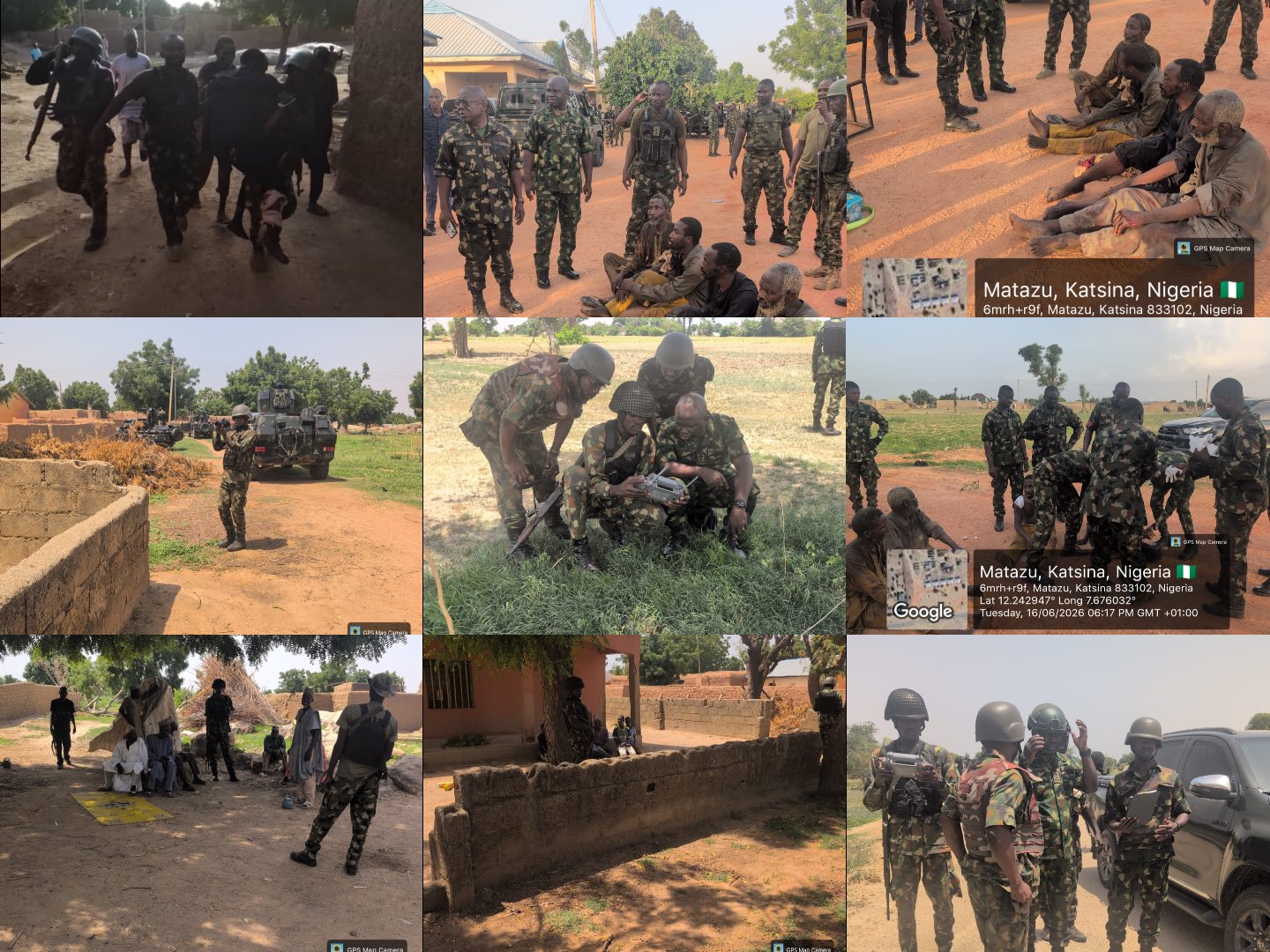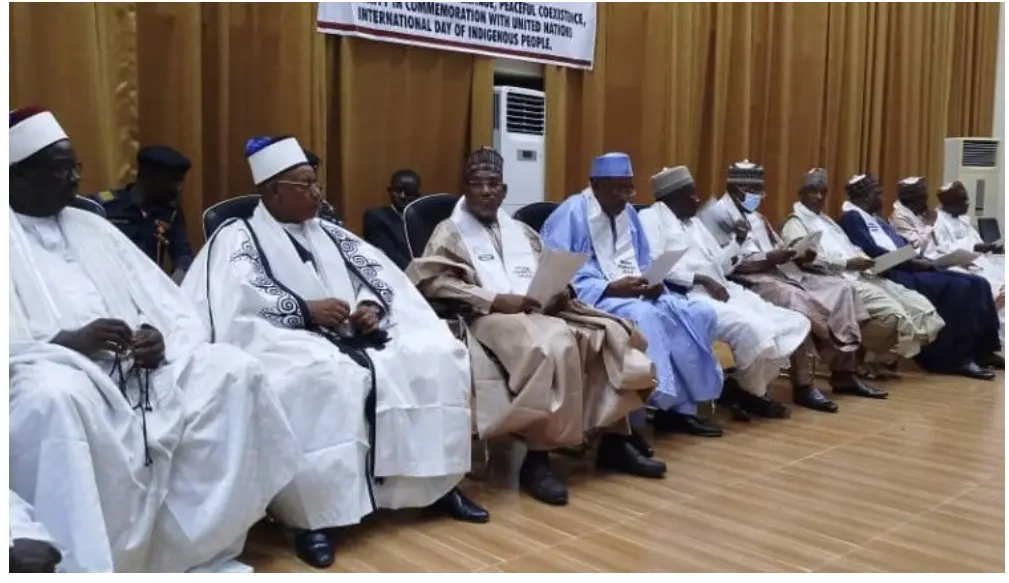
A group under the aegis of the Concerned Fulani People of Nigeria has criticised what it described as “inconsistencies” in the United States’ position on Nigeria’s security situation, particularly narratives linking the Fulani ethnic group to widespread violence in the country.
In a rejoinder signed by Ibrahim Barkindo Chubado and released on Thursday, the group alleged that recent and past assessments attributed to the United States government and allied bodies had shifted in tone, creating confusion over the true nature of insecurity in Nigeria.
It argued that earlier reports, which it said emerged during the administration of former President Muhammadu Buhari, cautioned against portraying the Fulani ethnic group as the central cause of insecurity or branding it as a collective threat.
According to the group, such earlier positions warned against ethnic profiling and generalisations that could inflame tensions across communities.
The statement claimed that during that period, public discourse in Nigeria frequently associated incidents of banditry, kidnapping, and other violent crimes with Fulani identity, a trend it said led to reprisals against innocent communities.
It cited incidents in parts of Nigeria, including reported attacks on settlements and destruction of property, which it attributed to ethnic stereotyping and retaliatory violence.
The group further argued that the herder–farmer conflict had often been oversimplified in public debate, despite repeated explanations by security analysts that underlying drivers include land-use disputes, environmental pressures, grazing routes, and local political tensions.
It referenced recurring crises in states such as Benue State, Plateau State, and Taraba State, insisting that many Fulani families in these areas had lived there for generations and should not be treated as outsiders.
The statement also maintained that previous international assessments had described the crisis as largely economic and environmental rather than purely ethnic or religious, recommending reforms such as ranching systems, structured land-use policies, improved law enforcement, and sustained conflict-resolution mechanisms.
However, the group lamented that such recommendations, in its view, had not been consistently reflected in current international commentary, alleging that some narratives now place disproportionate emphasis on Fulani-related violence.
It also expressed concern over reports attributed to the United States Commission on International Religious Freedom (USCIRF), alleging that about 30,000 armed Fulani militants were responsible for insecurity across Nigeria.
The group warned that such figures, if uncontextualised, risk unfairly stereotyping millions of law-abiding Fulani citizens and deepening ethnic mistrust.
It further argued that other armed non-state actors operating in the country are often underrepresented in international reporting, citing separatist and militia-related violence in different regions.
Among such groups, it mentioned the Indigenous People of Biafra (IPOB) and its armed wing, the Eastern Security Network (ESN), which Nigerian authorities have repeatedly accused of violent attacks and enforcement of sit-at-home orders. IPOB has also been proscribed by Nigerian courts as a terrorist organisation.
The group also referenced incidents linked to Yoruba Nation agitators in the South-West, alleging that their activities are not always given equivalent attention in global security assessments.
It further pointed to the United States Commission on International Religious Freedom as part of its concerns over what it described as “perceived imbalance” in external reporting on Nigeria’s security challenges.
The statement said such perceptions have fuelled suspicions among some Nigerians about the neutrality of international actors in analysing the country’s complex insecurity landscape.
It also linked the discourse to broader geopolitical trends in parts of West Africa, including rising anti-Western sentiments in countries such as Mali, Burkina Faso, and Niger Republic.
Despite its criticisms, the group acknowledged the severity of insecurity across Nigeria, stressing that the crisis cannot be reduced to a single ethnic, religious, or regional factor.
It maintained that banditry, terrorism, separatist violence, kidnapping syndicates, and communal clashes involve actors from diverse backgrounds across the country.
More details here...