The outbreak was reported aboard the MV Hondius, which was travelling from Argentina to Cape Verde, the World Health Organization said.
The illness is usually linked to environmental exposure, such as contact with urine or faeces from infected rodents, but it can spread between people and lead to severe respiratory illness.
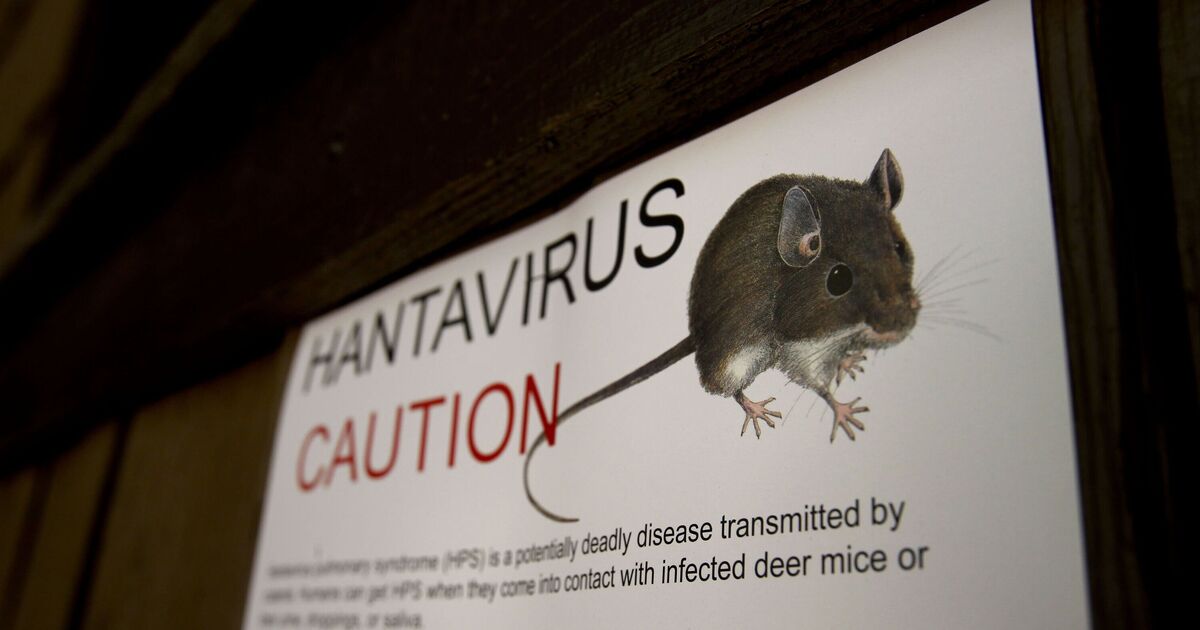
Each hantavirus is linked to a different rodent host. Hantavirus Pulmonary Syndrome (HPS) can be contracted by inhaling, consuming or coming into contact with rat and mouse faeces, urine or saliva.
This could occur through handling the animal directly or by touching something contaminated with its bodily fluids.
The incubation period typically lasts two to four days, but can range from two days to eight weeks.
It is vital to wash your hands thoroughly after handling rats or their environments and to steer clear of wild mice and rats, as well as areas where they may have been present.
When you discover rodent droppings in your home, always wear rubber gloves and a protective mask over your nose and mouth. Never sweep up droppings with a brush, as this can scatter potentially infectious particles into the air.
The initial symptoms of HPS can easily be confused with influenza.
- A fever exceeding 101F
- Chills
- Muscle aches
- Severe headaches
- Nausea
- Stomach complaints
- Notably dry cough
- Breathing difficulties can develop rapidly
“It can be challenging to diagnose HPS as early symptoms mimic the flu, and there are no tests to diagnose HPS. This is why a history of rodent exposure accompanied by fever and fatigue is a strong indicator of infection,” said Dr Jamie Winn, PharmD from Universal Drugstore.
“If you have an unexplained fever, body aches, abdominal pain, diarrhoea, headaches, dry cough or severe breathing difficulty, you should see your doctor immediately. This is especially important if you expect to spend time in southwestern US and are exposed to large rodent populations, their nesting materials and waste.”
There are no specific treatments for HPS, but early diagnosis and care within an ICU setting can significantly improve a patient’s chances of recovery.
In certain cases, antiviral medications such as ribavirin are used to tackle other strains of hantavirus and related infections. While large-scale trials have yet to confirm their efficacy, doctors may turn to them in particularly severe cases.
Recovery is typically a lengthy process, with patients commonly reporting ongoing weakness, fatigue, and a reduced tolerance for physical activity.