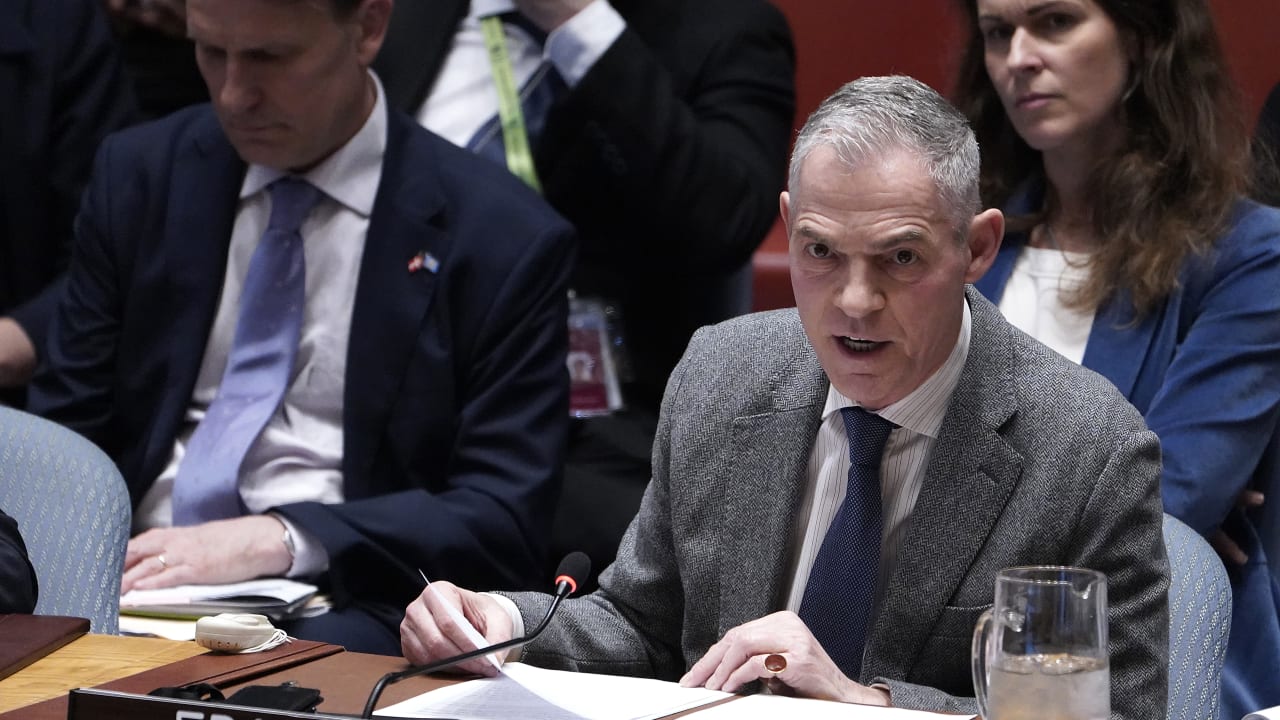
Led by Advisor Iva Petrova, the mission visited Islamabad from May 13 to 20 to review recent economic developments, implementation of reforms, and Pakistan’s budget strategy for fiscal year 2027, IMF said in a statement on May 20.
The discussions were held under the Extended Fund Facility (EFF) and the Resilience and Sustainability Facility (RSF).
According to the IMF, the Pakistani authorities reaffirmed their commitment to maintaining a primary surplus target of 2% of gross domestic product in FY2027. The lender said the target is aimed at supporting fiscal sustainability and strengthening economic resilience.
The IMF noted that the planned fiscal consolidation would be backed by measures to widen the tax base, improve tax administration, and enhance spending efficiency and public financial management at both federal and provincial levels.
Also Read | PM Modi’s Italy visit: India, Italy set €20 billion trade target, seal defence pact
The agency also said the latest talks included discussions on the economic impact of disruptions caused by the ongoing conflict in West Asia.
It added that discussions on the FY2027 budget would continue in the coming days.
Earlier this month, the IMF had approved nearly $1.32 billion in fresh funding for Pakistan under its ongoing $7 billion programme.
Monetary policy and exchange rate
The IMF said the State Bank of Pakistan reiterated its commitment to maintaining an “appropriately tight monetary policy stance” to anchor inflation expectations.
The lender added that the central bank would continue monitoring possible second-round effects arising from higher energy prices.
The IMF further stated that exchange rate flexibility should continue to act as a key shock absorber, while efforts to deepen the foreign exchange interbank market should continue.
Structural reforms and next review
The discussions also covered structural reforms in the energy sector, state-owned enterprises, product market liberalisation, and financial sector reforms intended to support long-term growth and attract private investment.
Also Read | Fed minutes show more policymakers open to a rate hike
Progress under the RSF was also reviewed, including efforts related to disaster risk financing, integrating climate considerations into budget planning, and power subsidy reforms, the IMF said.
The next IMF mission, expected in the second half of 2026, is likely to include the Article IV consultation along with reviews under the EFF and RSF programmes.