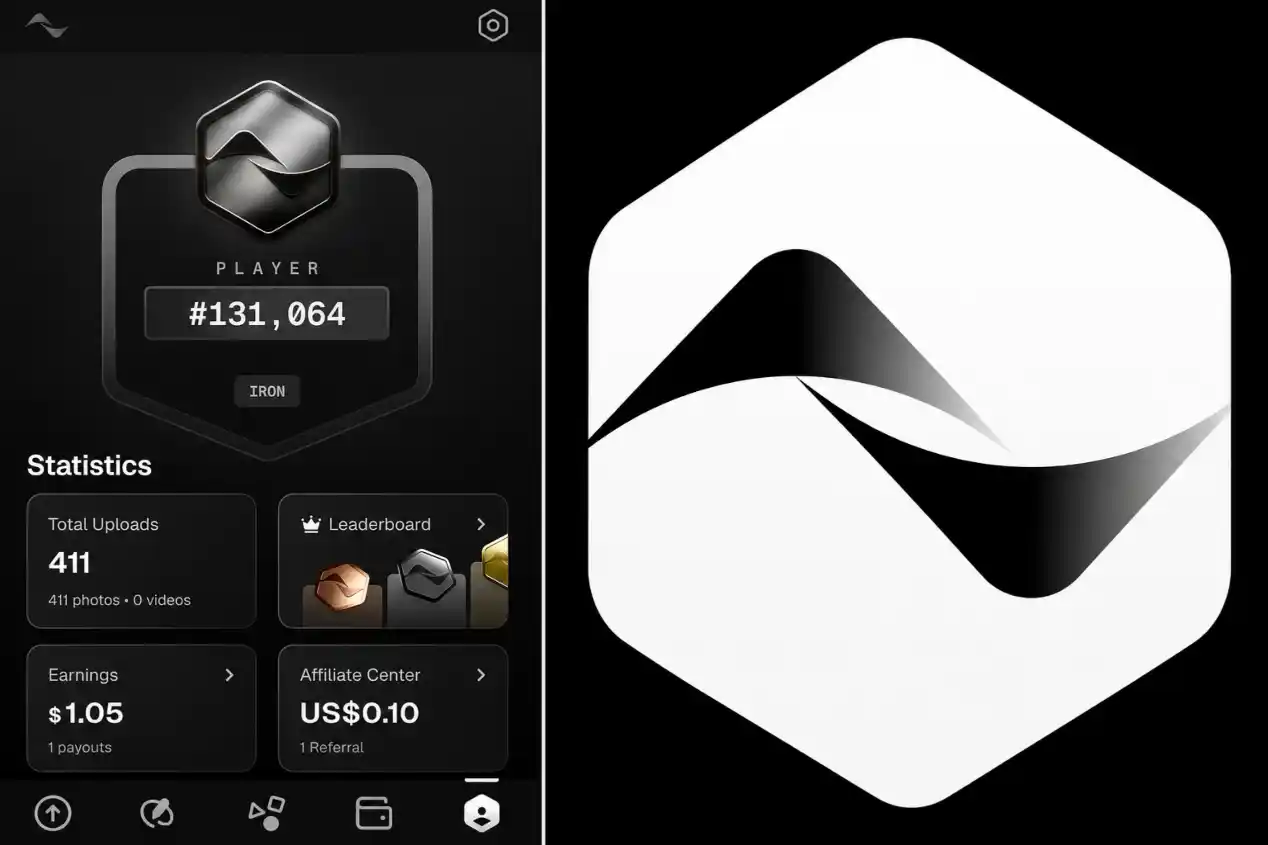
Kled AI has removed its app from the Nigerian App Store and blocked access across the region after recording what it described as an extremely high fraud rate among users, a move that has triggered reactions from Nigerian users over the past two weeks.
The opt-in AI data marketplace, which pays users to upload images, videos, and documents for AI training, confirmed that Nigeria has been affected by a temporary ban following widespread abuse of its platform. Founder Avi Patel disclosed the decision in a post on X, stating that the scale and sophistication of fraudulent uploads from Nigeria had become unsustainable for the startup.
According to Mr Patel, users in Nigeria were submitting large volumes of unusable data, including pictures of black screens, duplicate images, internet-sourced content, and AI-generated visuals instead of original, verifiable data required for training models.
“We have removed Kled from the Nigerian app store, and IP has banned the entire region. Kled has been up and running and out of beta for 4 months now. We have paid out hundreds of thousands of people for their data, and our users have uploaded over 1 billion assets onto our platform,” he said.
He added that after months of monitoring uploads, the company discovered that Nigeria recorded an average fraud rate of about 95 per cent. “Instead of real, usable data, users were uploading pictures of black screens, duplicate photos, internet-generated images, AI-generated images, etc., at an unimaginable scale,” Mr Patel said.
The founder contrasted the situation with other markets where the platform operates, noting that countries such as Malaysia, Indonesia, and the Philippines recorded less than 10 per cent fraud rates despite having significantly larger user bases.
“In comparison, Malaysia, Indonesia, and the Philippines have a less than 10 per cent fraud rate across 10x the user base size. Our fraud system is fast to catch these issues, but the level of complexity of these schemes is getting out of hand,” he said.
The startup’s decision followed increasing pressure from Nigerian users who had taken to its social media pages to demand clarity on why the app was no longer accessible in the country.
Mr Patel explained that the tipping point came after the company’s Know Your Customer (KYC) system was flooded with fake identity submissions within a short period. He revealed that between Friday and Sunday, the system received thousands of falsified Japanese passports and identity cards that had Nigerian images digitally inserted.
He described the incident as “the final straw,” noting that such actions not only strained the company’s verification systems but also increased operational costs significantly.
“As a startup, we can’t afford to eat the costs of that data overhead, so we temporarily removed the app from the region while we improved our fraud detection and banning system to quickly filter out bad actors when the time is right,” Mr Patel said.
He acknowledged the concerns of genuine Nigerian users who have relied on the platform to earn income, stating that the decision was not taken lightly. “We hear you, but it’s gotten out of hand. We’ve made this decision with great care. We love everyone who has genuinely supported Kled from Nigeria, and we hope to return when the time is right,” he added.
In a follow-up statement addressing speculation around the ban, the founder dismissed claims that the move was a marketing strategy. He maintained that the restriction was necessary to protect the integrity of the platform and the trust of its clients.
“We certainly don’t need the exposure or the users. Even if we did, why would we ban a region from the app store and then market to that same region?” he said.
Mr Patel also raised concerns about impersonation, noting that a fake Android version of the app had been circulating, despite the platform being available exclusively on iOS. According to him, the counterfeit app, which carries a different logo, has already been reported for takedown.
“Kled is ONLY available on iOS, not on Android. There is a very clearly fake Android app that is impersonating us, with only 5k downloads, that we have reported,” he said.
He further clarified that Kled does not exploit user data, stressing that its model is built on voluntary participation and fair compensation. “You can download Kled on the App Store today and submit pictures, videos, or documents of any kind that are used for AI training data, and instead of getting it ripped off your device, we pay you for it,” he said.
Before the ban, Kled had gained notable traction in Nigeria, ranking among the top 100 apps on the local App Store multiple times within a four-month period. The platform had attracted over 25,000 users in the country during that time.
However, internal data from the company indicates that out of a 10 million upload sample from Nigeria, approximately 94.2 per cent of submissions were classified as fraudulent. This includes content that was AI-generated, altered, duplicated, or copied from the internet.
“Kled easily catches this and bans users accordingly, but this costs us resources and time, not to mention that no fraud detection pipeline is perfect, meaning bad data can inevitably fall through the cracks,” Mr Patel said.
He warned that such high levels of compromised data could damage the confidence that AI labs and partners have in the platform. “This bad data can severely harm the trust that AI labs have put in our business. If the fraud rate was even 50 per cent, we as a team would have chosen to keep Kled on the Nigeria App Store, but 95 per cent is too much,” he said.
For now, the company has maintained that the ban will remain in place until its systems are strengthened enough to handle the scale of abuse observed, leaving uncertainty around when or if the platform will return to Nigeria.
What do you think about this?
Drop your opinion in the comment section.
FOLLOW US & Share this with someone who needs to see this.