Analysts warn militias are targeting security formations to assert territorial control across Kwara’s rural belt.
By Onibiyo Segun
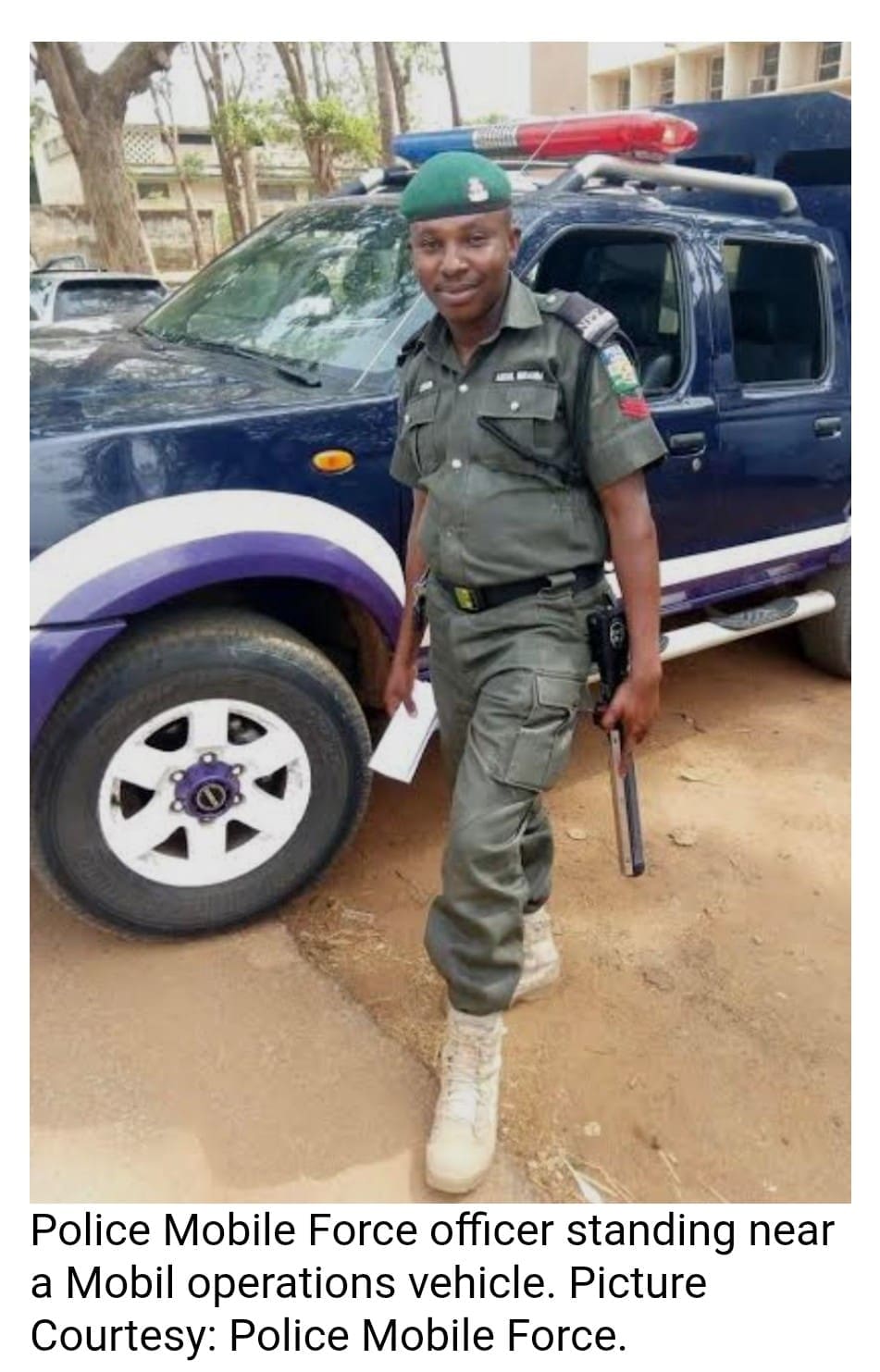
Tenebo, Kwara State – Armed Fulani militias stormed a Police Mobile Force (PMF) camp in Tenebo, a remote farming community about 120 kilometers northwest of Ilorin, early Saturday, May 2, killing three officers and injuring two.
Residents said gunmen opened fire around 3 a.m., sending villagers scrambling for cover as sustained gunfire echoed across the settlement.
Just two weeks earlier, on April 18, 2026, three soldiers were killed in Moro County, about 80 kilometers northeast of Ilorin, during a similar pre-dawn raid.
The incidents underline the escalating threat to both military and police formations in Kwara’s rural corridors, signaling a deepening security crisis.
“The shooting was relentless,” Ola Obafemi told TruthNigeria.
“There was pandemonium everywhere. We shut doors, hiding, praying they would not come near.”
Tenebo sits in Kaiama County along a sparsely populated corridor of bushland and scattered farms stretching toward Niger State.
Security analysts say this corridor has become a transit and operational route for Fulani militia groups, some of which operate under local leaders such as Danjuma Sule, Bello Kawu, and Garba Jatau, figures authorities have flagged in multiple banditry- and terror investigations.
These groups, often called the “Gumel Boys,” “Kawu-Kawu Militia,” and “Rijana Rangers,” are reported to engage in cattle rustling, kidnapping for ransom, and attacks on both security personnel and community leaders.
Local intelligence indicates they maintain loosely organized cells across Kwara, Niger, and Kaduna counties, making them difficult to track or neutralize.
Kwara State Police spokesperson Adetoun Ejire-Adeyemi confirmed the attack, promising more detailed information once investigations are complete.
Targeted Strike on Frontline Unit
The PMF, Nigeria’s elite paramilitary police unit, is trained for high-risk operations including anti-banditry patrols and rapid-response deployments.
“Available intelligence points to armed Fulani militia elements responsible for recent attacks on security personnel in Kwara,” said retired Col. Idris Babangida, a Kaduna-based security analyst and former infantry commander.
“They often target Mobile Police formations to assert territorial control and intimidate communities.” Babangida explained.
“These are distinct from Boko Haram or ISWAP, though occasional tactical overlap occurs when militants provide weapons or training,” he added.
Dr. Kabiru Adamu, managing director of Beacon Consulting, emphasized the government’s accountability.
“Attacks are rising because security formations are thinly stretched.”
“The Tinubu government needs to expand Mobile Police numbers and improve operational readiness. Current force levels leave both officers and civilians exposed,” Adamu explained.
Pattern of Escalation Across Kwara Corridor
The Tenebo assault reflects a broader trend of violence along Kwara’s rural belt, particularly Ifelodun and Kaiama counties.
In April, gunmen attacked Oko-Erese community, killing two farmers and abducting two women. Forest guards and civilians were also ambushed near Babanla, while attackers overran a military outpost in Kemanji, seizing equipment.
Residents describe the attackers as heavily armed and deliberate.
“They knew exactly where to strike,” said trader Sadiq Mohammed.
Village elder Musa Abdullahi added, “If trained officers in a fortified camp can be attacked like this, what hope do ordinary villagers have?”
Babangida warned that some attacks aim not just at security personnel but at civil leadership, decapitating local authority structures across the Northwest.
“This is about demonstrating control and sowing fear among both civil society and security forces,” Babangida said.
Strategic Implications
The government relies on PMF units to stabilize hotspots where conventional police presence is limited.
Babangida stressed, “Operational readiness must go beyond deployment; intelligence integration, mobility, and force protection are critical.”
Despite expanded international cooperation, including with the United States, analysts say field-level execution remains weak.
“These incidents expose gaps between policy and reality on the ground,” Adamu told TruthNigeria.
Residents are calling for urgent reinforcements.
“We cannot live like this,” Abdullahi told TruthNigeria.
“If the police are under attack, then the entire community is at risk.” Abdullahi added.
Police authorities say reinforcements have been deployed and investigations are ongoing.
Wider Trend: Targeting the State
Across Nigeria, from Borno and Yobe to forest corridors in Niger and Kaduna, security formations increasingly face direct attacks.
Experts note that each successful strike signals both capacity and intent to control territory.
For communities like Tenebo, the consequences are immediate: fear, disruption, and uncertainty.
As Nigeria confronts overlapping threats from insurgency, militia violence, and banditry, the Tenebo ambush underscores a stark reality: the resilience, protection, and readiness of frontline forces will determine whether these vulnerable regions stabilize or deteriorate further.
Onibiyo Segun reports on terrorism and conflict for TruthNigeria.


