In its latest Lassa fever situation report for Epidemiological Week 19, covering 4 to 10 May 2026, the agency said the country recorded 793 confirmed cases and 204 deaths across 23 states and 108 local government areas
The Nigeria Centre for Disease Control and Prevention (NCDC) has revealed that 204 people have died from Lassa fever this year, as the disease’s fatality rate continues to rise despite a decline in new infections.
In its latest Lassa fever situation report for Epidemiological Week 19, covering 4 to 10 May 2026, the agency said the country recorded 793 confirmed cases and 204 deaths across 23 states and 108 local government areas.
The agency noted that the case fatality rate (CFR) stood at 25.7 per cent, significantly higher than the 19.4 per cent recorded during the same period in 2025.
According to the report, new confirmed infections dropped from 22 cases in Week 18 to 17 cases in Week 19.
The latest infections were recorded in Edo, Bauchi, Ondo, Kogi, Taraba and Nasarawa states.
The NCDC said five states, including Bauchi, Ondo, Taraba, Benue and Edo, accounted for 84 per cent of all confirmed cases reported so far in 2026.
It added that people aged between 21 and 30 years remain the most affected age group.
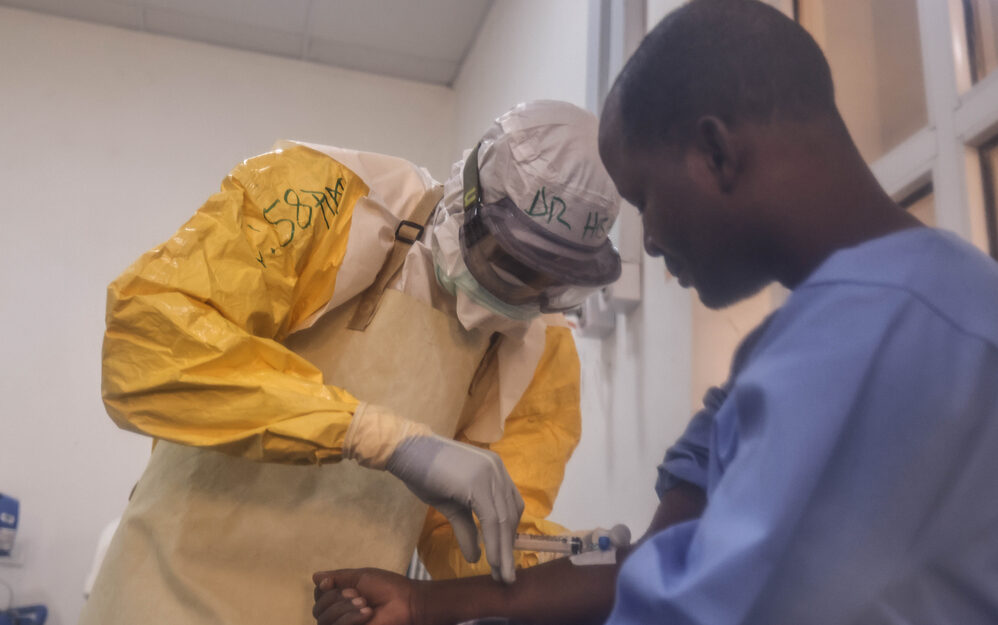
The agency also disclosed that one additional healthcare worker was infected during the reporting week, raising concerns over occupational exposure among frontline workers.
The NCDC said it had intensified outbreak response efforts in collaboration with state governments and development partners.
Among the interventions highlighted in the report were infection prevention and control (IPC) trainings for healthcare workers, activation of emergency operations centres in affected states, and community engagement campaigns targeting religious leaders, farmers and market women.
The agency said it also developed a 30-day healthcare worker protection plan with support from the World Health Organisation (WHO) and the Centres for Disease Control and Prevention to reduce infections among frontline health workers in endemic states.
They added that personal protective equipment (PPE) and drugs had been distributed to treatment centres, while rapid response teams were deployed to seven high-burden states.
The report further noted that incident management systems for Lassa fever had been activated in Kano, Kebbi, Gombe, Benue and Plateau states.
Despite ongoing interventions, the NCDC identified late presentation of cases as a major factor driving the rising fatality rate.
The agency also cited poor health-seeking behaviour linked to the high cost of treatment, poor environmental sanitation in affected communities, low public awareness, and continued infections among healthcare workers as key challenges.
The agency urged state governments to sustain year-round community engagement and awareness campaigns on Lassa fever prevention.
The health body also advised healthcare workers to maintain a high index of suspicion for the disease, ensure timely referral and treatment of suspected cases, and strictly adhere to infection prevention and control protocols.
The NCDC said it would continue working with partners to strengthen states’ capacity to prevent, detect and respond promptly to outbreaks.
Lassa fever is an acute viral haemorrhagic illness caused by the Lassa virus, which is transmitted to humans primarily through contact with food or household items contaminated by the urine or faeces of infected rats.
It can also spread from person to person through contact with bodily fluids.
The disease often begins with fever, weakness, and headache, and may progress to more severe symptoms such as bleeding, difficulty breathing, swelling, and organ failure.
Early diagnosis and prompt treatment with Ribavirin are critical for improving survival.