Delayed diagnosis of sickle cell disease is contributing to preventable deaths among Nigerian children, according to Prof. Obiageli E. Nnodu, a leading researcher and director of the Centre of Excellence for Sickle Cell Disease Research and Training, CESRTA.
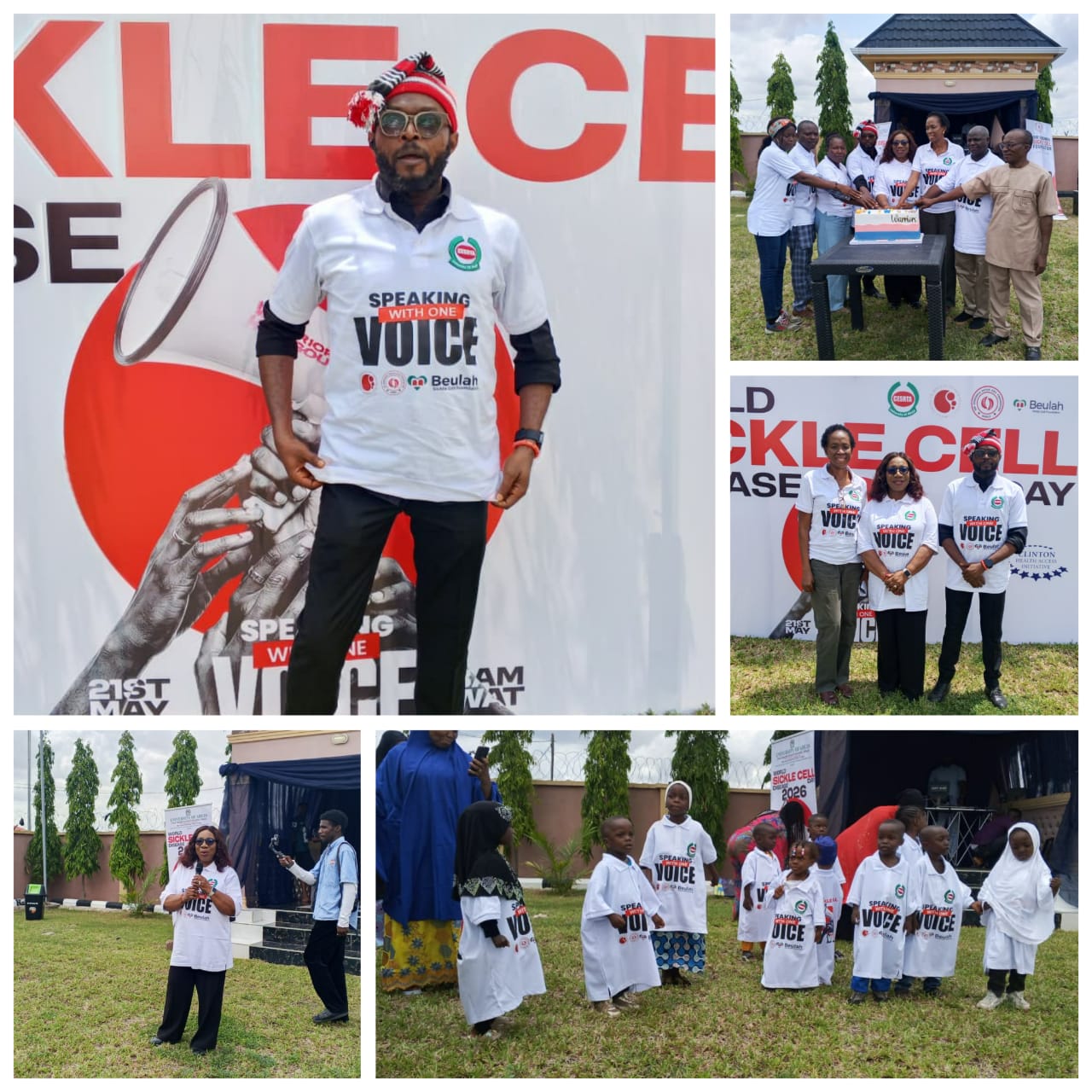
P.M.EXPRESS reports that while speaking at the 2026 World Sickle Cell Day commemoration in Abuja, Nnodu said many parents only bring their children for medical care after severe complications have set in.
“They come when the child has become ill. This has more damaging effects on the child,” she said. She attributed the delay partly to fear, stigma and poor awareness, noting that some parents wrongly assume a diagnosis means a child cannot live a productive life.
Nigeria carries the world’s highest burden of sickle cell disease, with over 150,000 babies born with the condition each year, according to CESRTA. The centre estimates that up to 50 percent of children with sickle cell disease in Nigeria die before age five without diagnosis or treatment, even though early detection and intervention could prevent many of those deaths.
To change that narrative, CESRTA runs mentorship and support programmes that connect older patients, often called “warriors,” with parents of younger children.
“We bring older warriors and parents of younger warriors together so they can see the potential and achievements of those living with the disease, and be motivated to care for their own children,” Nnodu said.
The centre has screened more than 35,000 newborns for sickle cell disease across 25 primary healthcare centres in the Federal Capital Territory under the Consortium on Newborn Screening in Africa, CONSA, programme. More than 400 babies identified through the programme have been enrolled in follow-up care and early intervention services.
Nnodu called on the Nigerian government to increase support for research and wider access to treatments, including hydroxyurea, a drug used to manage the condition. CESRTA, established in 2015, conducts research, clinical training and policy programmes in partnership with institutions across Africa, Europe and the United States. It also manages a national patient registry with over 10,000 sickle cell patients.
At the same event, Light Obi Ogbonnia of the Obi Ogbonnia Sickle Cell Foundation said this year’s theme, “Speaking with One Voice,” reflects growing collaboration among civil society groups working on sickle cell advocacy. Ogbonnia, who has lived with the disease for 52 years, urged patients to believe in their ability to live fulfilled lives.
“The reason some of us joined this advocacy space is to show the world that sickle cell is not a death sentence,” he said..