KINGSLEY EBERE
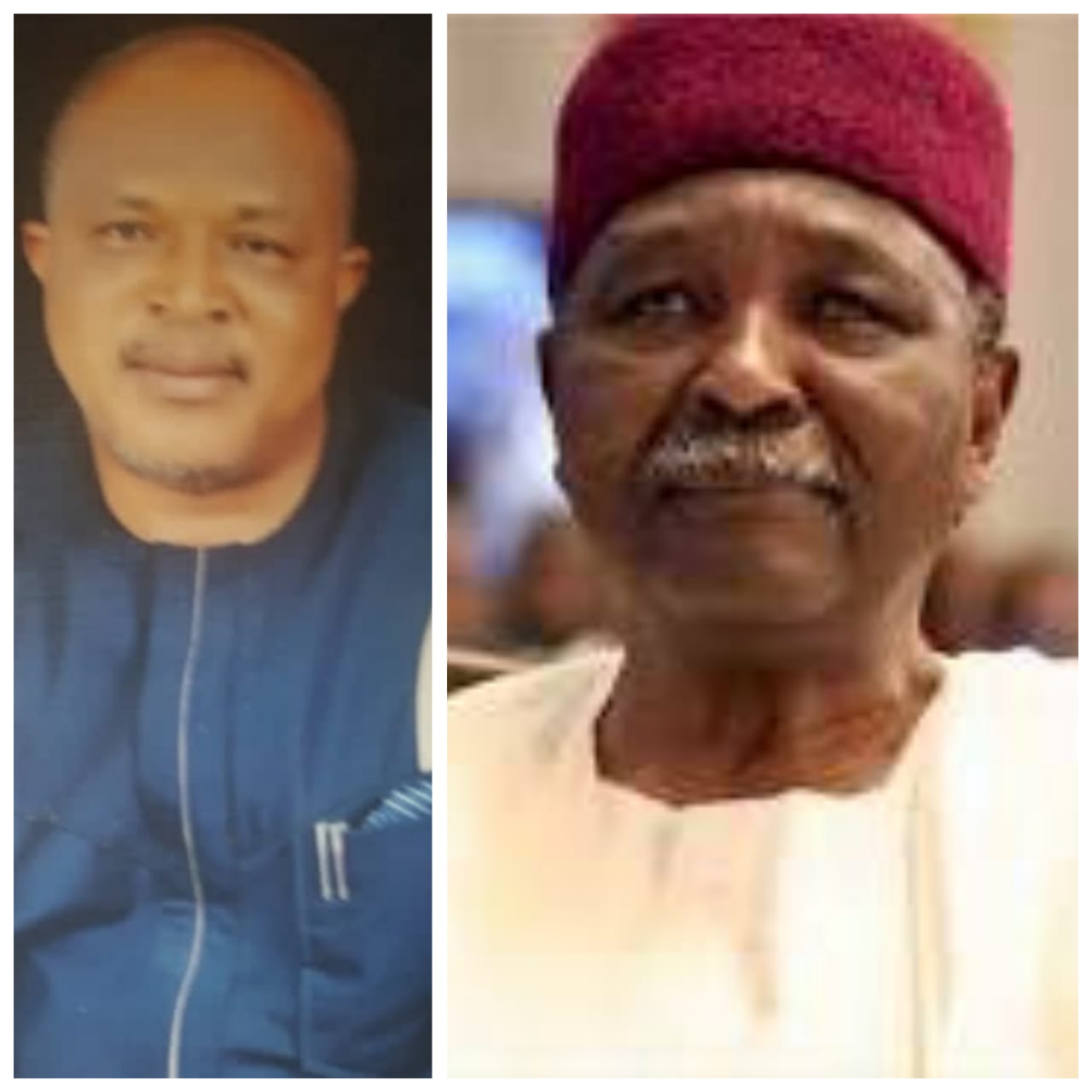
The Ndigbo Media Forum has rejected comments by former Head of State Gen. Yakubu Gowon alleging that Dim Chukwuemeka Odumegwu-Ojukwu frustrated all peace efforts to stop the 1967 civil war.
P.M.EXPRESS reports as contained in a statement by the group, which described the claim as historically inaccurate, insensitive to lingering wounds, and unhelpful to national healing.
“We are compelled to set the record straight,” said National Coordinator, Rev. Paul Eze.
1. Why Ojukwu Said He Went to War*
Ojukwu maintained that he did not fight for ambition or secessionist pride. In Because I Am Involved and in his May 30, 1967 declaration, he gave three reasons:
To protect Ndigbo from extermination following the 1966 anti-Igbo pogroms in Northern Nigeria, in which an estimated 30,000 to 50,000 people were killed and over one million fled to the East.
To uphold the Aburi Accord of January 4–5, 1967, where Nigerian military leaders agreed on a confederal structure. Ojukwu said the federal government nullified the agreement with Decree No. 8 in March 1967, breaching trust.
To secure dignity and self-determination. After consultations with traditional rulers, clergy, market leaders, and civil society, Ojukwu declared the Republic of Biafra as “a mandate of the people to live free from persecution.”
2. On Frustrating Peace
The forum said the facts do not support Gowon’s assertion. Ojukwu attended the Aburi meeting in good faith. It was the federal side’s refusal to implement the agreement that collapsed the peace process. Declassified documents, memos from neutral observers such as Prince Akenzua, and participant accounts point to federal backtracking, not Ojukwu’s intransigence.
“To blame the dead for a war that started after federal troops invaded Biafra on July 6, 1967, is to invert history,” the statement read.
3. Healing Versus Reopening Wounds
The group argued that if reconciliation was Gowon’s aim, his timing and framing missed the mark. Releasing an 859-page memoir that blames Ojukwu while downplaying federal actions, they said, reminds Ndigbo of the 3 million lives lost, children who starved during the blockade, and broken post-war promises. “True statesmanship prioritizes healing over vindication, especially 56 years after the conflict ended.”
4. The Unfulfilled Promise of the 3Rs
The war ended with “No Victor, No Vanquished” and a pledge of Rehabilitation, Reconstruction, and Reconciliation. The forum asked where evidence exists that the federal government fulfilled this promise in the former Biafran region.
“Roads, industries, and infrastructure destroyed during the war were never fully rebuilt by the federal government. Ndigbo rebuilt themselves. This failure is why many see the 3Rs as political rhetoric, not policy,” it said.
5. The Forum’s Position
Ndigbo, the group said, have moved on by building businesses, educating children, and contributing to Nigeria’s economy and unity. “We do not seek war. But we will not allow the historical record to be distorted to serve political narratives.”
The forum called on Gowon to allow Ojukwu to rest in peace and urged that his words should promote healing rather than division. “If your goal is unity, let your legacy be one of truth and reconciliation, not blame.”