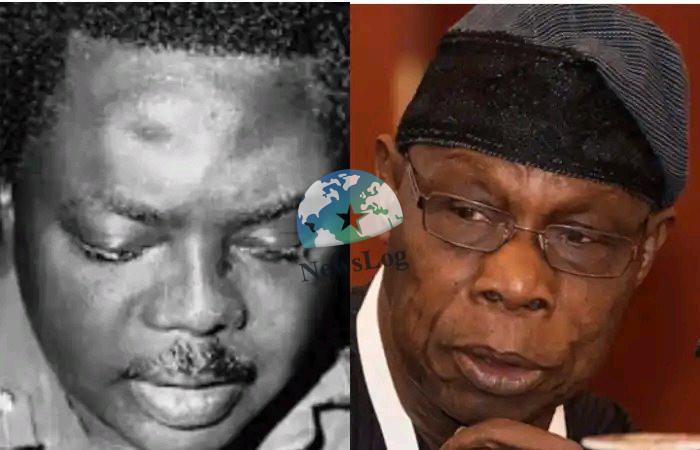
According to a report by PM News Nigeria on Monday, April 27, 2026, Olusegun Obasanjo, a former president of Nigeria, has brought up the killing of General Murtala Muhammed again, claiming that the death of the late military leader revealed significant security breaches in the government’s thinking during that period.….....
In an interview with News Central TV, Obasanjo discussed the events leading up to the assassination of Lagos Governor Murtala Muhammed on February 13, 1976. If people and the government had given more attention to their security plans, he said, the tragedy could not have happened.
He said that the climate of leadership during that period was defined by arrogance and the idea that serving one’s country was sufficient defence against outside dangers.
According to Obasanjo, Murtala Muhammed frequently traversed the city with no protection due to his reputation as a leader who was both daring and reform-oriented. Even though he held one of the most delicate positions in the nation, the former head of state was quite at ease behind the wheel and did not resort to extreme safety measures, as he pointed out.
According to the ex-president, he voiced his concerns about the amount of exposure multiple times, but nobody listened to him or changed their strategy because of it.
“If it weren’t for our naivety, Murtala wouldn’t have been killed the way he was,” Obasanjo said, reflecting on what he now sees as a crucial error of judgement.
He went on to say that most administration officials felt there was no need to worry about internal challenges as the leadership was so preoccupied with reform and the nation’s interest. According to him, the presumption was gravely incorrect.
In our opinion, he was acting morally. A attitude that shaped security decisions back then was, “So what did we need to fear?” he recalled.
The extent of coordination behind the coup attempt that resulted in Murtala’s assassination was something the authorities did not anticipate, according to Obasanjo. The assailants, he claimed, were able to take advantage of the inadequate security measures taken by high-ranking officials.
Dissident soldiers who were hostile to General Murtala Muhammed’s regime attempted and failed to execute a military coup, leading to Muhammed’s death. His untimely demise ended an administration that had been lauded for its reform program and its preparations to return Nigeria to civilian control.
Obasanjo observed a marked change in the approach to state security for high-ranking officials after the incident, with military leadership showing increased caution over personal protection and internal threats.
Leadership bravery, he said, must always be tempered with vigilance, and it is a lesson that has stood the test of time. Excessive self-confidence, he argues, can put even the most senior officials in danger when proper security measures are not taken.