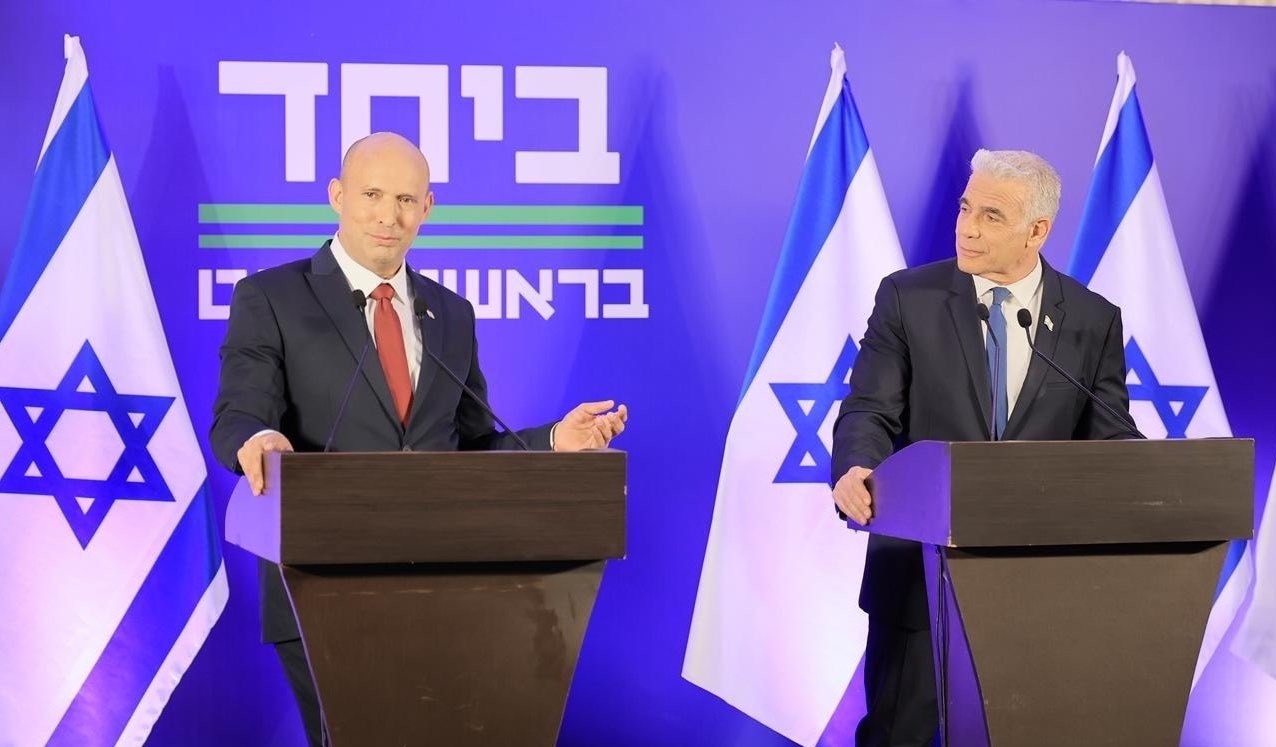
Israeli political dynamics have shifted significantly in new polling, with former Prime Minister Naftali Bennett emerging as the public’s preferred alternative to Benjamin Netanyahu, while a newly formed alliance between Bennett and Yair Lapid has already begun to fracture.
The Lazar Research survey, conducted in cooperation with Panel4All, found that 46% of the electorate views Bennett as suitable for prime minister. Gadi Eisenkot, leader of the Yashar! party, stands nearly as close to that threshold, at 44%. Netanyahu, by contrast, commands the support of 41% of respondents—a significant gap that reflects growing public skepticism toward his continued leadership.
The Bennett-Lapid combination, announced just days before the poll, has proven less formidable. The two former prime ministers saw their combined seat count drop from 31 to 28 following the announcement of their union, suggesting that the merger may have alienated supporters rather than consolidated them. The Together Party, despite its current size, has failed to capture the momentum its architects anticipated.
Eisenkot’s political positioning remains uncertain. Roughly a third of the public supports his joining the Bennett-Lapid ticket as a secondary figure, while another third prefers he remain independent. The largest bloc—more than a third of respondents—expressed no clear preference, indicating potential openness to persuasion on the question.
The coalition has gained modest ground, reaching 50 seats, while the opposition bloc (excluding Arab parties) slipped below its majority, holding 60 seats. Ben-Gvir’s hardline Otzma Yehudit strengthened within the government, while the Democrats and several smaller parties shifted in the opposition camp.
On the periphery, two emerging political initiatives—a moderate right-wing slate featuring former Likud figures and a united ticket combining The Reservists and the New Economic Party—remain below the electoral threshold, though the latter approaches viability.
(YWN World Headquarters – NYC)