By Chimezie Godfrey
The Civil Society Legislative Advocacy Centre has called for urgent reforms to strengthen press freedom and protect journalists in Nigeria, warning that persistent threats to media independence could undermine democratic governance and national development.
The organisation made the call in a statement marking World Press Freedom Day 2026, aligning with the theme by UNESCO, “Shaping a Future of Peace: Promoting Press Freedom for Human Rights, Development, and Security.”
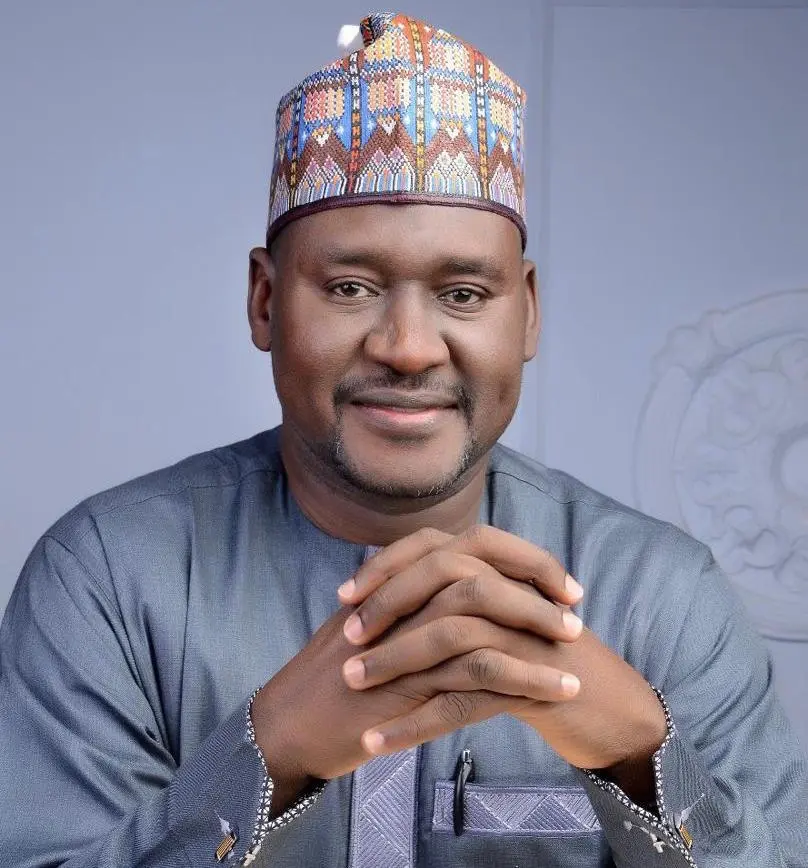
In the statement signed by its Executive Director, Auwal Musa Rafsanjani, CISLAC emphasised that a free and independent press remains central to accountability, transparency, and effective governance.
Rafsanjani described the media as a critical watchdog of public interest, noting that journalists play a vital role in exposing corruption, amplifying citizens’ voices, and enabling informed decision-making.
“Any restriction on press freedom undermines democracy, fuels corruption, and weakens public trust in institutions,” he stated.
He stressed the need for full implementation of the Freedom of Information (FOI) Act, noting that the law guarantees citizens access to public information.
“Effective implementation of the FOI Act will help combat misinformation and strengthen transparency. Citizens who follow due process must be able to access government-held information without undue obstruction,” Rafsanjani said.
Beyond legal protections, CISLAC highlighted the economic challenges facing journalists, calling for improved welfare, better remuneration, and safer working conditions.
“Journalists should not be forced to operate under conditions of poverty. Improving their welfare is essential to maintaining integrity, independence, and professionalism,” he added.
The organisation raised concerns over the global decline in press freedom, citing recent findings by Reporters Without Borders, which indicate that press freedom has fallen to its lowest level in 25 years.
While noting Nigeria’s slight improvement to 112th position globally, CISLAC said the local media environment remains challenging, citing recurring cases of harassment, arbitrary arrests, and physical attacks on journalists.
Rafsanjani also criticised the misuse of laws such as the Cybercrimes Act and defamation provisions to intimidate media practitioners, as well as increasing surveillance and political interference.
“These challenges have contributed to self-censorship and a shrinking civic space,” he said.
CISLAC called on the Federal Government to review laws that restrict press freedom, strengthen legal protections for journalists, and ensure prompt prosecution of those responsible for attacks on media practitioners.
The organisation also advocated for improved safety mechanisms, including digital security training, early warning systems, and rapid response frameworks for journalists under threat.
It further urged stronger collaboration among government, civil society, media organisations, and the private sector to create an enabling environment for journalism.
Rafsanjani reaffirmed CISLAC’s commitment to promoting legislative reforms and supporting journalists, stressing that press freedom remains fundamental to democracy.
“A free press is not a luxury; it is a necessity for democracy, development, and peace,” he said.
What do you think about this?
Drop your opinion in the comment section.
FOLLOW US & Share this with someone who needs to see this.