Yinka Olatunbosun
In a society where art education is often understated, an exhibition in Lagos shifted attention back to the people quietly shaping Nigeria’s creative future — art teachers.
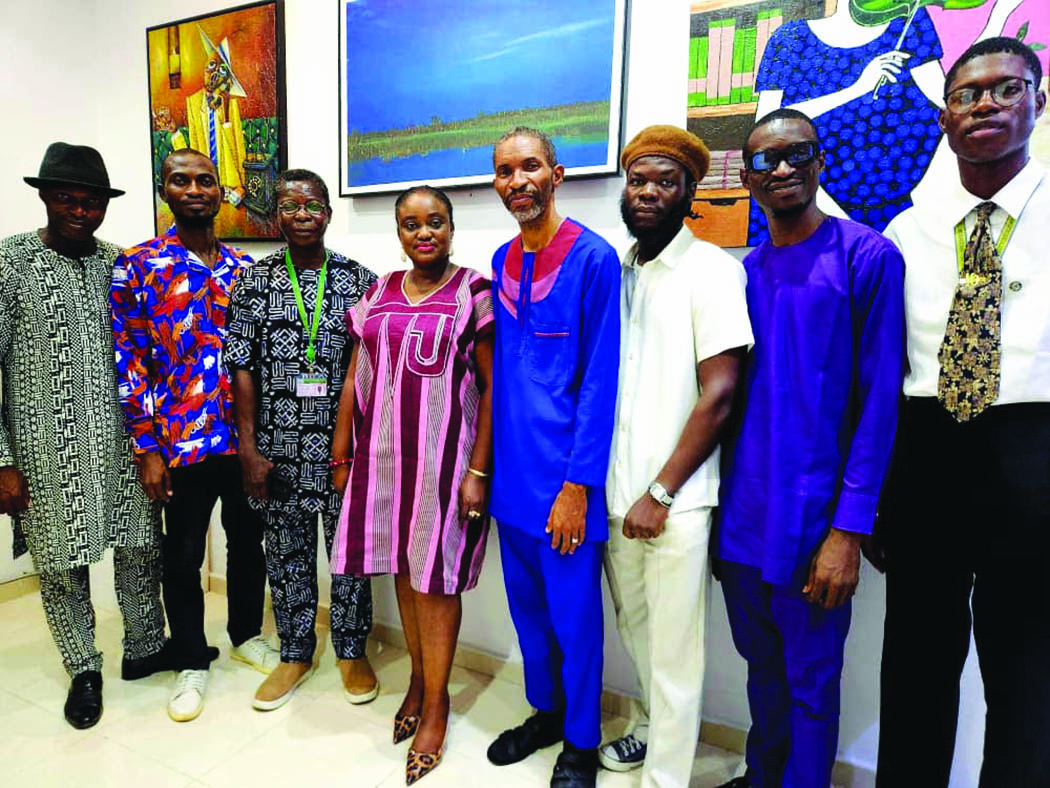
Art teachers in Nigeria are stepping out of the classroom and into the spotlight as Fobally Art World Africa hosts the third edition of its Art Teachers Exhibition, themed Breathtaking.
The show, which ran from May 2 to 16, brought together 71 artworks by art educators drawn from tertiary institutions and secondary schools across the country. The exhibition offered art lovers a rare opportunity to experience the creative depth of those shaping the next generation of artists.
Indeed, the exhibition sought to highlight and interrogate the role of art teachers in sustaining Nigeria’s art industry, while also projecting them as practising artists with strong creative identities.
At a press briefing, the Creative Director of the gallery, Abiola Folasade, described the exhibition as a meeting point for educators who have quietly served as the backbone of African art development.
“This exhibition is the convergence of art educators in Nigeria. It’s a celebration of their artistic journeys and their commitment to nurturing the next generation of creatives,” she said.
The exhibition paraded a wide range of styles and media, from paintings and drawings to photography and digital art, reflecting the diversity of artistic expression among teachers. Beyond aesthetics, it also explored how teaching and professional practice intersect, showing that creativity does not end in the classroom but continues to evolve.
For many participants, the exhibition was also a response to long-standing challenges in art education. According to Augustine Ekhaiyeme, CEO of Cultural Arts Academy, the initiative was born out of a need to address the neglect of the arts in society and the struggles faced by art teachers.
“We saw a need in the industry. Society does not encourage the arts. Many artists had to leave out of frustration,” he explained. “This exhibition is a way of saying that even though you are teaching, you should not devalue your craft.”
Ekhaiyeme noted that the first edition of the exhibition was held at the Nigerian Conservation Foundation in Lekki, with subsequent editions expanding in scope and participation. This year’s edition featured about 25 exhibiting teachers and artists, each bringing unique perspectives and techniques.
Also lending his voice, Assam Victor, the exhibition coordinator and a sculptor, stressed the historical importance of art teachers in Nigeria’s creative landscape.
“Most of the masters in this industry were teachers,” he said, referencing icons like Pa Fasuyi and Bruce Onobrakpeya. “This exhibition is meant to bring that reality to the forefront and show that those in the classroom are highly skilled professionals shaping the future.”
Among the highlights was One–Many Breaths, a thought-provoking piece by Kehinde Hassan Shobukonla of Mountain Top University. Inspired by motherhood, the work explored themes of shared existence, identity, and continuity through interconnected forms.
For Shobukonla, the exhibition offered more than visibility. It was a platform for collaboration and mentorship. “I want to connect with fellow art teachers and also present my students on the same platform,” he said, describing the opportunity as both rare and inspiring.
Another exhibiting artist, Kazeem Mumin, challenged the stereotype that art teachers are less capable than full-time studio artists.
“There is this notion that if you are teaching, you cannot compete,” he said. “This exhibition proves that being an art teacher does not limit your excellence.”
Mumin showcased works such as Repose and Evening Glance, drawing from semi-abstract expressions rooted in African symbols and personal emotion. Other artists at the exhibition included Ibrahim Quadri Brainq, Olugbesan Mololuwa, Odwaiye Peace, and Victor Akpan, further enriching the diversity and depth of the showcase.
Beyond individual stories, Breathtaking presents a larger narrative — one that redefines the identity of art teachers as both educators and active contributors to the art ecosystem.