BY MOHAMMED IDRIS
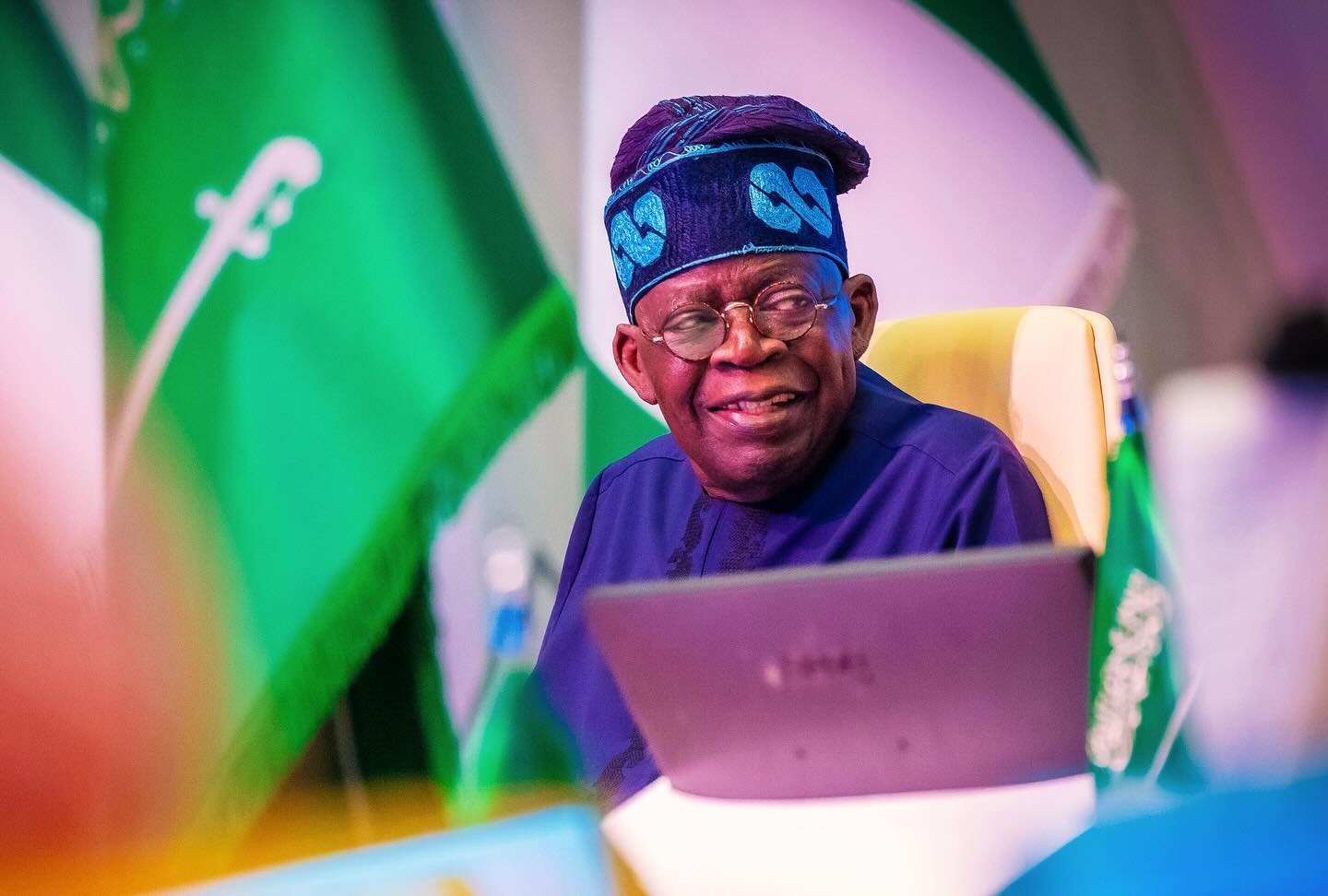
Today marks the third anniversary of the inauguration of President Bola Ahmed Tinubu, and an opportunity to reflect on the very concrete achievements of the Renewed Hope agenda – a comprehensive eight-point vision designed to touch the lives of every Nigerian and reposition our country.
The agenda – spanning energy and natural resources, agriculture, national security, macroeconomic reform, infrastructure, human capital, economic diversification, and improved governance and public service delivery – is both strategic and comprehensive, ensuring that no one is left out.
On this third anniversary we are very proud to affirm that President Tinubu has kept faith with the Nigerian people on all counts.
We have an economy that has grown to ₦441.5 trillion in 2025, up from ₦309.5 trillion in 2023. Inflation has more than halved – from the 34.80% recorded in December 2024 to 15.69% in April 2026. Nigeria’s non-oil exports surged to $6.1 billion in 2025, an 11.5% increase over 2024; while Federation tax revenue collection rose from ₦19.9 trillion in 2023 to ₦28.3 trillion in 2025.
Monthly disbursements by the Federation Account Allocation Committee (FAAC) have doubled to over ₦2 trillion, from less than ₦1 trillion in 2023, while foreign capital inflows have grown nearly 90% – from $12.32 billion in 2024 to $23.22 billion in 2025. External reserves have this year hit a thirteen-year high of $50 billion.
Under President Tinubu, the Nigerian Exchange Group’s All Share Index (ASI) has surpassed the 250,000 mark – up from 55,000 in May 2023. Equity market capitalisation is up five-fold, to ₦160 trillion.
Oil and gas continue to be a mainstay of our national economy, even as we pursue diversification and grow our non-oil exports and revenues.
Our oil production increased by 400,000 barrels per day between 2023 and 2025, delivering the highest onshore production level in 20 years. In 2024 and 2025, Nigeria captured 40% of the value of Africa’s upstream petroleum final investment decisions (FIDs), amounting to over $8 billion.
In the midstream petroleum sector, the Presidential CNG and Electric Vehicle initiative has mobilised over $2 billion in public and private investments, creating tens of thousands of new jobs while providing transport relief to hundreds of thousands of Nigerian commuters and households.
The National Education Loan Fund (NELFUND) has now benefited over 1.5 million students across 301 institutions, disbursing close to ₦300 billion in student loans and upkeep allowances.
In 2025, Nigeria formally exited the Financial Action Task Force (FATF) grey list, marking a new era in the fight against money laundering and terrorist financing.
Looking at where Nigeria stood when President Tinubu came into office, and where it stands today, there is no doubt that carefully designed reforms have helped the country navigate one of the most challenging eras in its history. We have resolved the previously intractable fuel subsidy problem, brought our tax laws into the 21st century, and built a more transparent and accountable fiscal architecture.
A new and enhanced chapter of cooperation with the United States and other partners is delivering significant security gains. Just a few weeks ago, this collaboration helped neutralise one of the most wanted terrorists in the world.
There is still so much to be done, especially in the area of security, which is why it has been one of the biggest areas of recent focus for the President. In addition to investments that will strengthen security and intelligence capabilities, welfare and morale, President Bola Ahmed Tinubu is determined to be the Nigerian President who accomplishes the long-awaited fundamental restructuring of Nigeria’s security architecture at its very roots.
One of the most practical manifestations of this reform is the establishment and implementation of State Police – reordering a longstanding system so that the security and safety of our communities emerges organically from within, instead of being imposed from far away.
In August 2023, President Tinubu handed me a mandate as Nigeria’s Minister overseeing the information and national orientation portfolio. We have worked very hard to advance the Ministry’s priorities: restoring credibility to public communications, amplifying the government’s policies and programmes, putting our national values back on the national agenda, creating a more enabling environment for the media industry, and modernising technology and talent in our public information systems.
Last November Nigeria received the formal affirmation from UNESCO to host a first-of-its-kind International Media and Information Literacy Institute in Abuja. And next month, we will usher in one of the biggest technology leaps ever seen by Nigeria’s broadcast industry – the completion of the long-delayed transition from analogue to digital.
Through partnership and dedication, we have successfully leveraged satellite technology to break a decades-long jinx, and Nigerians will see the impact on their television screens starting next month: a surge in the quality of content, transmission, and competition.
There is much more to highlight than space will permit, but the message is clear and irrefutable: President Tinubu and his administration have boldly confronted Nigeria’s toughest challenges, and the country is emerging victorious on all fronts.
We will not slow down or rest – instead we will double down to advance the gains until they cannot be reversed or undone.
-Idris, fnipr, is Nigeria’s Minister of Information and National Orientation