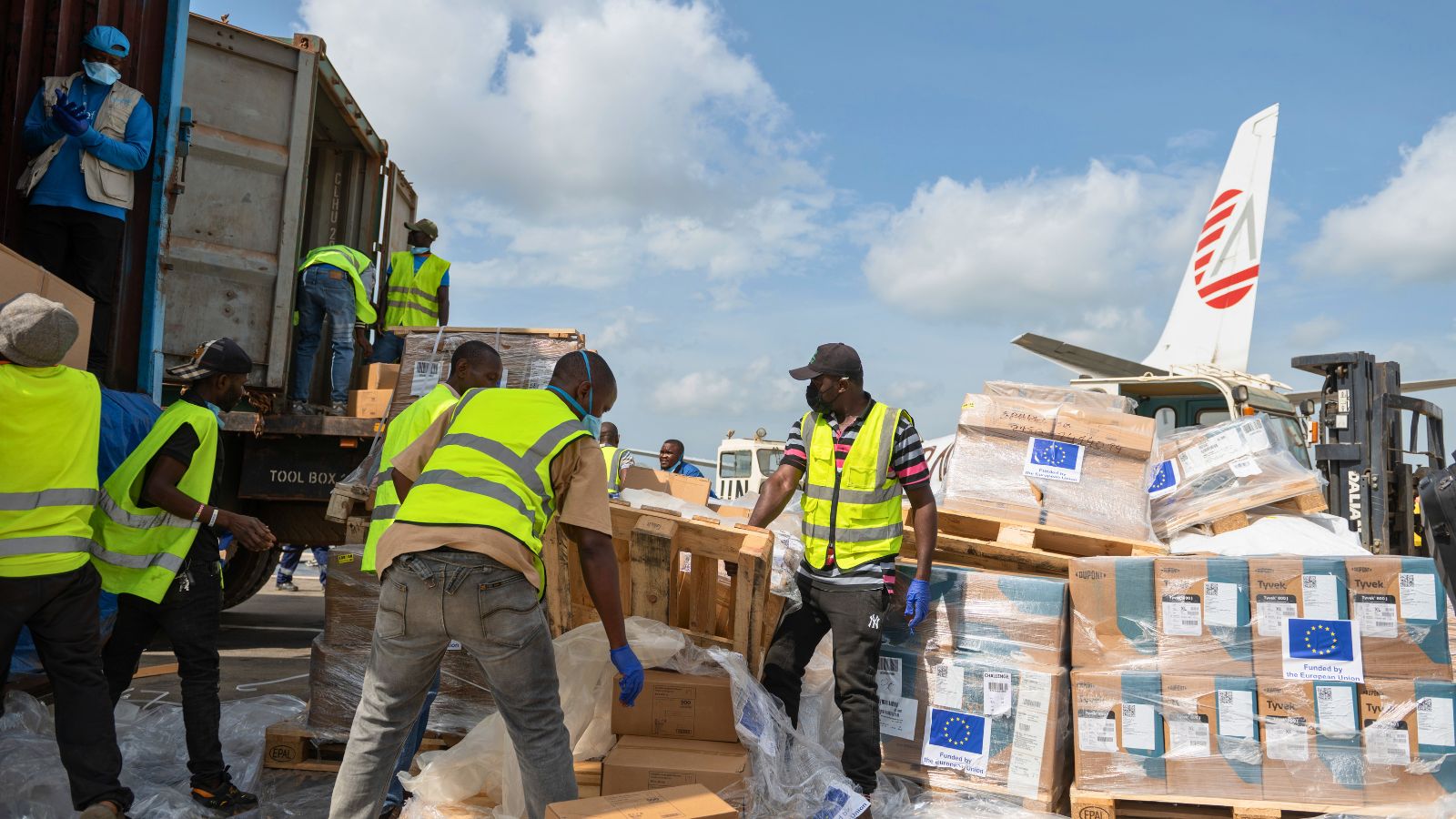
Many governments across the globe are stepping up screening processes and restrictions on travel to mitigate the spread of the Ebola outbreak that was declared a health emergency in the Democratic Republic of Congo (DRC) on May 17, reported Reuters.
India
India has launched screening and surveillance at airports and other entry points. It has also advised its citizens to avoid making trips to the affected countries.
Recently, a woman landed in Bengaluru airport from Uganda and showed symptoms similar to an Ebola infection, and was quarantined on an immediate basis. Her tests turned out to be negative.
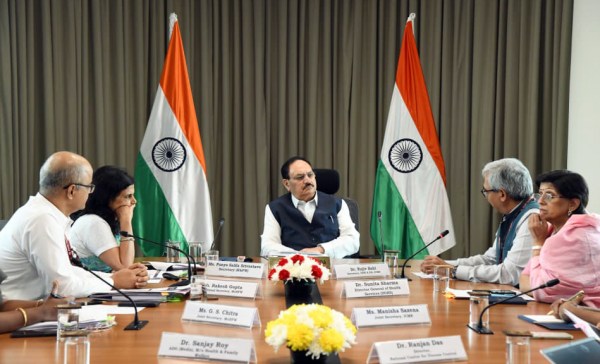 Union Health Minister JP Nadda reviews preparedness and surveillance measures for Ebola disease in view of the recent outbreak in parts of Africa, in New Delhi on Monday. (@JPNadda X/ANI Photo)
The North Americas
US
The Centers for Disease Control and Prevention (CDC) in the United States (US) has banned non-citizens who have visited the DRC, South Sudan, and Uganda from entering the country. On Friday, they also banned the entry of green-card holders who have been in the nation for the last 21 days. Screenings, tests, temperature checks, and verification of travel history have also been mandated at airports for US passport holders who are returning from these countries.
Canada
Similar to the US, Canada has also banned DRC, South Sudanense, and Ugandan residents from entering the country for 90 days effective Wednesday. Canadian nationals and other foreign nationals who have visited the affected areas would be sent to quarantine for 21 days from May 30.
Mexico
According to Reuters, Mexico’s health secretary David Kershenovich asked those arriving from the affected countries to observe a 21-day quarantine, along with tight Ebola screenings at the airports.
Cayman Islands
The Cayman Islands government has also enhanced screening at airports as a precautionary measure. This move came after a London-bound British Airways flight carrying two passengers with a travel history to the DRC landed on the islands.
Story continues below this ad
Bahamas
The Caribbean country of the Bahamas has also banned residents from affected countries and ordered additional screening for foreigners travelling to the countries with immediate effect for thirty days.
West Asia
Bahrain and Jordan have both suspended the entry of people from Uganda and the DRC starting May 19.
Kenya
Kenya has enhanced screenings of travellers at high-risk entry points, under a fully activated National Incident Management System in coordination with the Kenya National Public Health Institute. They have also activated isolation and holding facilities in case of potential containment.
Thailand
The public health ministry in Thailand took a slightly different approach, allowing travellers from South Sudan, Uganda, and DRC only through the Suvarnabhumi airport after thorough screening. Travellers found with Ebola-like symptoms will be quarantined in isolation for a minimum of 21 days. Any other traveller from affected countries, with or without similar symptoms, will be required to quarantine for 21 days as well.
Story continues below this ad
European Union
Unlike the above countries and their containment measures, the European Union Health Security Committee has cited “low risk to population” and said that there was no immediate need for screenings for passengers hailing from the Ebola-affected countries.
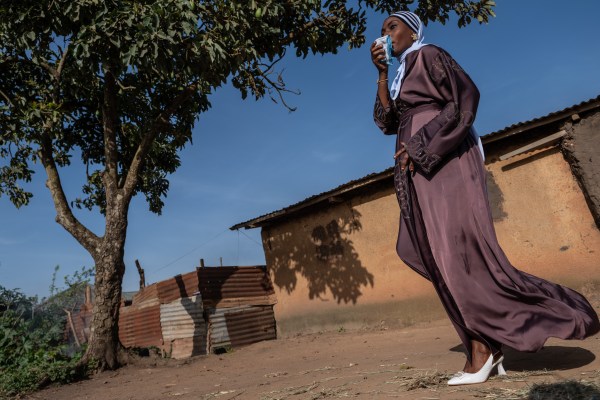 A Muslim woman walks towards the prayer grounds at Sayo Muhamed School to perform Eid al-Adha prayers amid an Ebola outbreak in Bunia, Congo, Wednesday, May 27, 2026. (AP Photo)
How did Ebola become an outbreak?
The Ebola virus disease is a rare and often-fatal viral haemorrhagic fever first identified in 1976 near the Ebola River in what was then the Republic of Zaire, now the Democratic Republic of Congo. The disease is caused by a zoonotic spillover — passing from animals, likely fruit bats, to humans — and then spreading person to person.
The current outbreak traces back to late April 2026, when a health worker in Bunia, Ituri Province, developed fever, vomiting, and signs of haemorrhagic illness and died at a local medical centre.
By early May, the WHO received alerts about an unknown high-mortality illness in Mongbwalu Health Zone, with four healthcare workers dying within four days.
Story continues below this ad
On May 15, DRC’s national reference laboratory confirmed the Bundibugyo strain of Ebola by PCR and genomic sequencing, and the Ministry of Public Health officially declared the country’s 17th Ebola outbreak. The Bundibugyo species is one for which there is currently no approved vaccine or specific treatment.
On May 17, 2026, the WHO Director-General declared the outbreak a Public Health Emergency of International Concern.
(This article is written by Nityanjali Bulsu, who is an intern at indianexpress.com)
Stay updated with the latest – Click here to follow us on Instagram