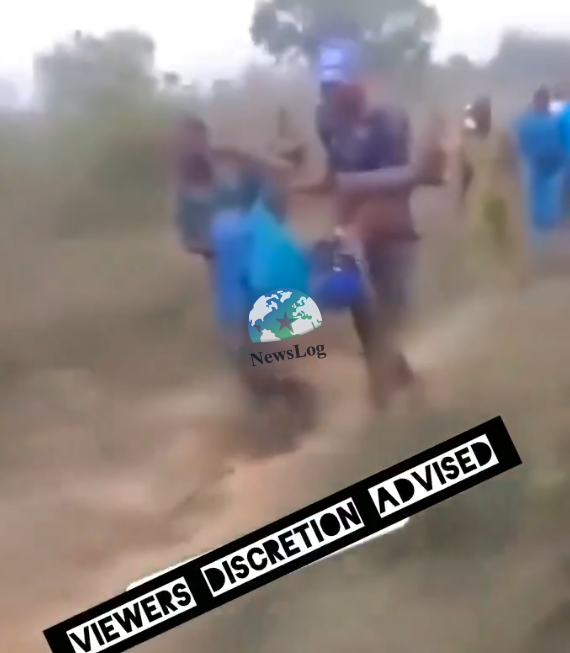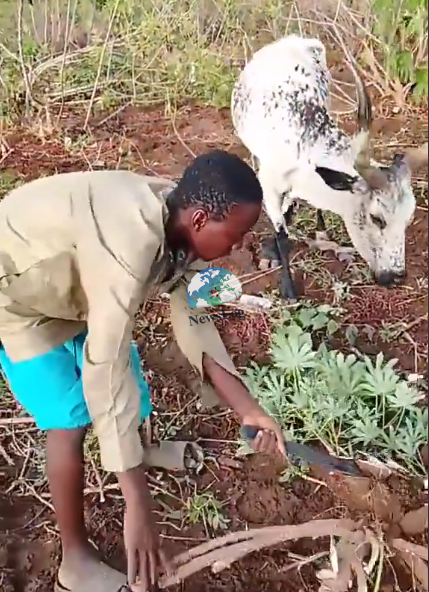
A heart-wrenching and rage-inducing video has taken social media by storm, showing Fulani herdsmen brazenly leading their cattle into a private farm to devour standing crops that a hardworking Nigerian farmer had poured months of sweat, money, and hope into.…....
In the trending clip circulating widely on X (formerly Twitter) and other platforms, the herdsmen appear completely unfazed as dozens of cows munch through what looks like maize or similar staple crops. The footage, which has racked up tens of thousands of views in hours, has sparked massive outrage online, with many calling it yet another painful example of the ongoing farmer-herdsmen crisis that continues to threaten food security across Nigeria.
Comments under the video are flooded with fury:
“Months of hard labour gone just like that. How is this fair?” one user lamented.
“In which sane country does this happen without consequences?” another asked.
Many are questioning the absence of effective grazing laws or enforcement, with calls for immediate government intervention.
This incident comes amid long-standing tensions between nomadic herders and sedentary farmers, particularly in Nigeria’s Middle Belt and southern regions. Farmers have repeatedly accused herdsmen of destroying farmlands, worsening food shortages and contributing to broader insecurity. Herdsmen, on the other hand, often cite the lack of designated grazing routes and the effects of climate change pushing them into cultivated areas.
According to similar reports and eyewitness accounts tied to such videos, the affected farms often represent entire seasons of investment. Cassava, maize, groundnut, and rice fields have all fallen victim in past incidents. In one older but strikingly similar clip, herdsmen were seen uprooting and slicing cassava for their animals – an act many described as deliberate food sabotage.
With Nigeria already grappling with rising food prices and inflation, incidents like this hit harder than ever. Experts warn that unchecked cattle invasion of farmlands is a major driver of food insecurity.