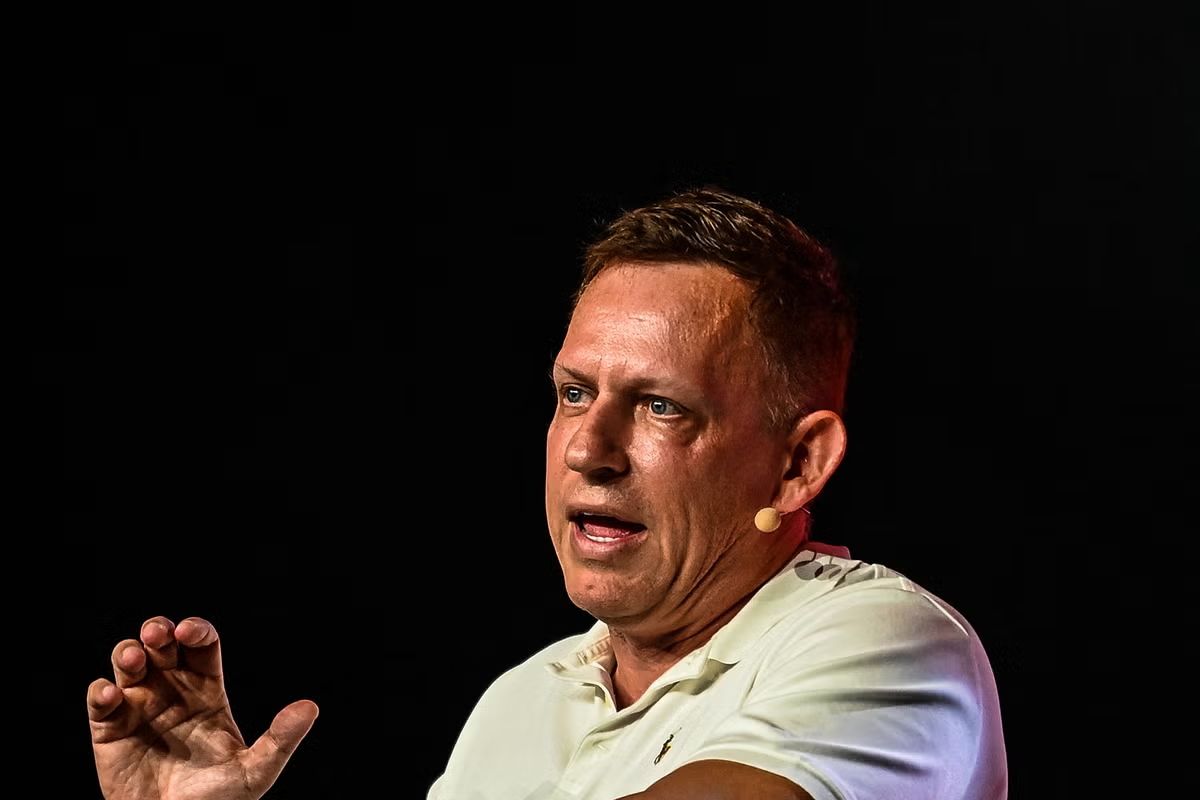
Peter Thiel, the tech billionaire and influential right-wing donor, is reportedly looking for an exit plan to escape America. Again.
And his timing couldn’t be stranger, given that he’s never had more sway in Washington nor more financial incentives to stay stateside.
Nonetheless, Thiel, who previously obtained New Zealand citizenship and reportedly pursued a Maltese passport, now has his sights on Argentina.
In the last two months, the Palantir and PayPal co-founder reportedly bought a $12 million mansion in an exclusive district of Bueno Aires, temporarily relocated his family and children to the country, and met with leaders including Argentinian president Javier Milei, as the country reportedly mulls offering Thiel citizenship.
People familiar with Thiel’s thinking told The New York Times that the billionaire has concerns about the direction of the United States and in particular Thiel’s long-time base of California, which is considering a controversial billionaire tax. (The Independent was not immediately able to reach Thiel for comment.)
There’s a long history of tech founders viewing some distant frontier as a hedge against the present. Tech investors are trying to develop a new city on the outskirts of San Francisco. Silicon Valley billionaires have spent years snapping up real estate in New Zealand as “apocalypse insurance.” Billionaires have floated everywhere from Mars to remote Pacific islands to Thiel-backed oceanic “seasteading” communities as the future of humanity.
What makes Thiel’s apparent doubts about America so notable is their timing. On the face of it, it’s never been a better time to be Peter Thiel in America.
His political network is all but running Washington.
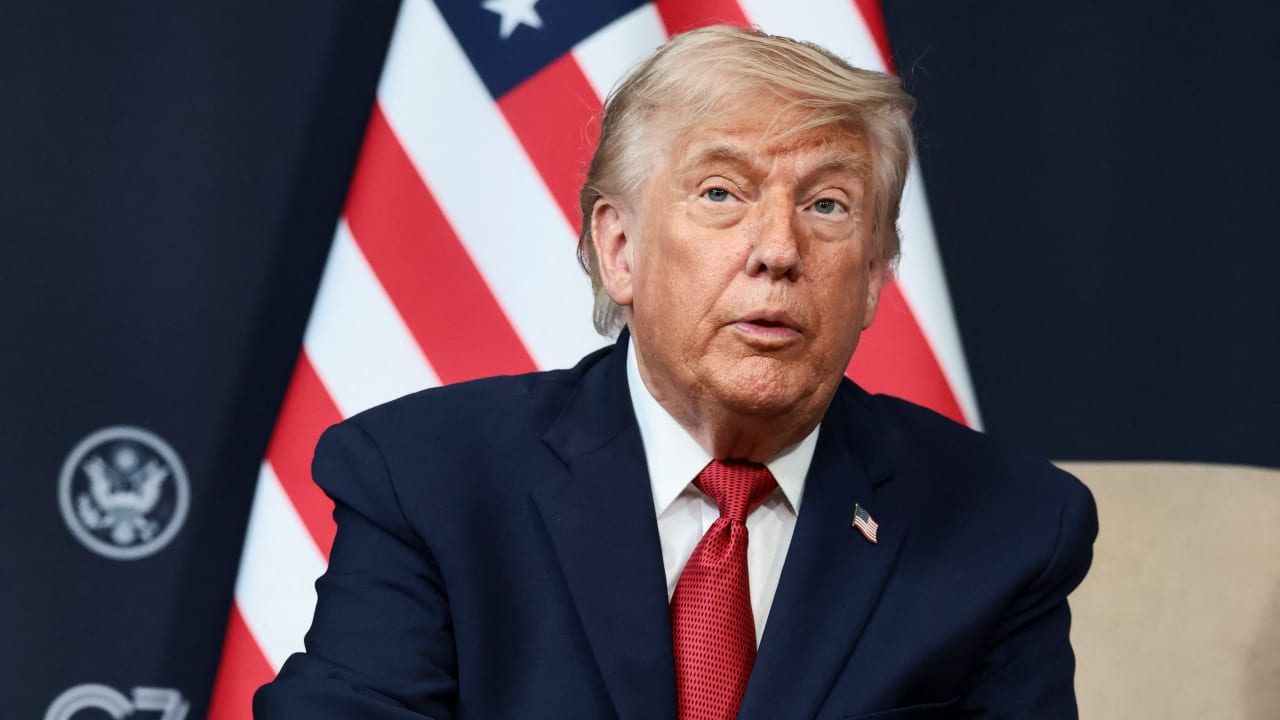
His protégé JD Vance is vice president, serving President Donald Trump, whom Thiel backed in the 2016 election.
Members of the “PayPal mafia,” the group of influential executives and investors tied to the payments firm, have had prominent positions inside the White House, too.
David Sacks was, until recently, Trump’s AI czar. Last year, Elon Musk was handed the keys to the federal budget as part of the DOGE initiative, as young techies infiltrated agencies and slashed thousands of employees and billions of dollars in federal spending.
Meanwhile, Thiel’s companies are selling contracts to the Trump administration like hotcakes. In the first quarter of 2026, Palantir reportedly took in $687 million from government contracts, much of it serving the Trump administration’s homeland security and immigration agenda. In March, defense tech firm Anduril, another part of the Thiel network, inked a 10-year deal with the Army worth up to $20 billion.
And on an even deeper ideological level, Thiel’s political project has never been more ascendant. He and Sacks were anti-woke before it was cool, authoring a 1998 jeremiad against multiculturalism called The Diversity Myth. Since then, Thiel has become more religious and regularly lectures about the Antichrist. So, what is it about living through the second Trump era, in which the defense secretary leads Christian prayer services in the Pentagon and the federal government has all but made diversity programs illegal, that Thiel finds so upsetting?
Part of it surely has to do with the anti-tech, anti-billionaire backlash that seems to be brewing in liberal states such as California and New York, which is considering a pied-a-terre tax under New York City’s democratic socialist mayor, Zohran Mamdani.
As The Independent has reported, the California billionaire tax set off a panicked reaction throughout the state’s tech community — one founder called it “economic 9/11” — and Thiel left the state in late 2025, ahead of a January 1, 2026, residency deadline for the proposed tax.
Thiel’s fellow .0000001 percenters similarly seem to be feeling the heat. Amazon founder Jeff Bezos used a recent interview to bash billionaire taxes while calling for the end of taxes entirely on America’s working class.
On the other hand, given Silicon Valley’s bizarre history, it’s a bit of a surprise that the Thiels of the world stuck around in America as long as they have.
As I chart in my forthcoming book on Big Tech, the tech world has long had a conflicted — and at times fully delusional — understanding of its own place in politics.
Silicon Valley has prided itself on being a countercultural, multicultural, sustainable, libertarian utopia pushing forward progress. At the same time, the industry has long done heaps of business with Wall Street, the U.S. military, fossil fuel companies, and, in some cases, repressive regimes and security states across the world. It has fancied itself a key part of the civic coalition in California, even as the state perennially struggles with affordability and homelessness — some of it driven by Big Tech wealth itself.
Given this radioactive bundle of contradictions, what’s an ideologue like Thiel to do but seek refuge elsewhere?