Mankind has existed for hundreds of thousands of years, but some moments have left a bigger mark than others. In this series, we look back at key defining events and interesting developments, big and small, from the past, that continue to shape how we move about the world today.
Take, for example, the commonly used phrase “blood, sweat and tears”. We trace how it entered everyday language from a moment that happened decades ago this week. This week also marks anniversaries of events such as Israel’s independence, Sikkim’s merger with India, India’s Pokhran-II nuclear tests, and other defining political and global turning points that continue to shape the world order (and well, disorder) today.
3 Min Read
 1 / 7
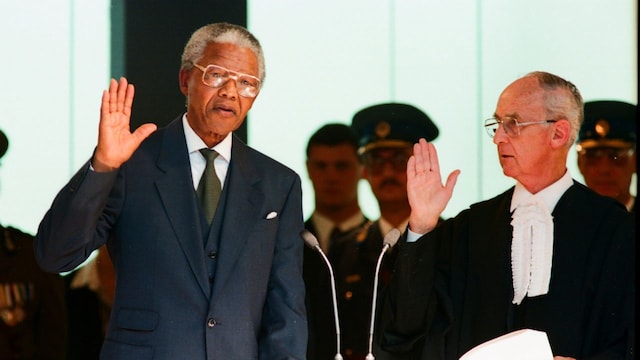
1 / 7May 10 | On this day in 1994, Nelson Mandela was sworn in as South Africa’s first Black president, formally ending decades of apartheid rule. The ceremony in Pretoria marked a political turning point not just for South Africa but for global democracy movements. Mandela’s inauguration followed the country’s first multiracial elections and became one of the defining political moments of the late 20th century. (Image: Reuters)
 2 / 7
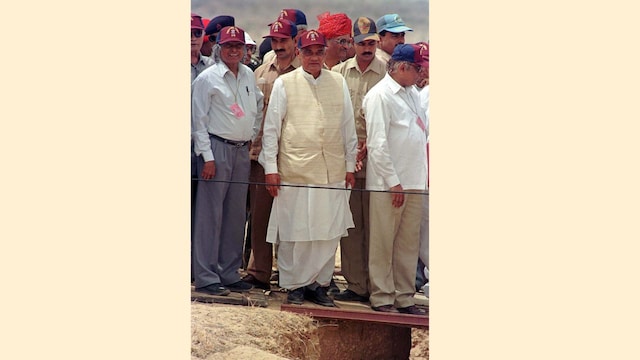
2 / 7May 11 | On this day in 1998, India conducted the first round of its Pokhran-II nuclear tests under then Prime Minister Atal Bihari Vajpayee. The tests, carried out in Rajasthan’s Pokhran desert, declared India a nuclear weapons state and reshaped South Asia’s strategic balance. The move triggered international sanctions but also marked a major shift in India’s defence and foreign policy posture. Pictured above is the then Prime Minister Atal Behari Vajpayee who visited the site a week later. On his left is Dr APJ Abdul Kalam who served as the test’s Chief Project Coordinator and would go on to become the country’s President in 2002. (Image: Reuters)
 3 / 7
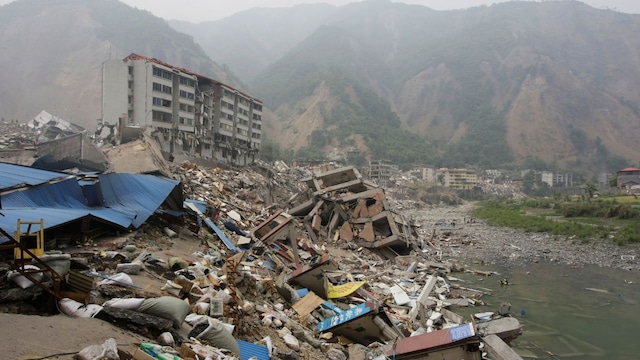
3 / 7May 12 | On this day in 2008, the devastating 2008 Sichuan earthquake struck southwestern China, killing nearly 70,000 people and leaving millions homeless, according to Reuters. The disaster became one of China’s deadliest earthquakes in modern history and tested Beijing’s disaster response capabilities ahead of the Beijing Olympics later that year. (Image: Reuters)
 4 / 7
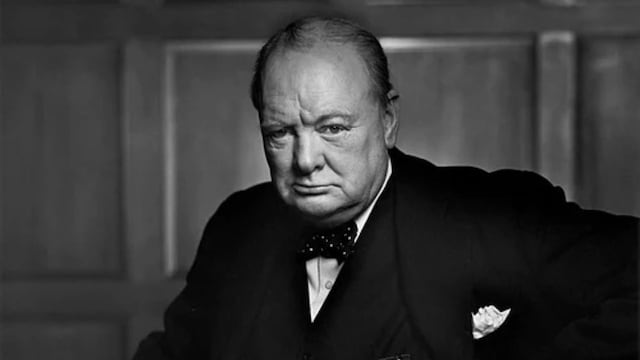
4 / 7May 13 | Do you use the phrase “blood, sweat, and tears”? Its origins go back to this day in 1940, when Winston Churchill delivered his famous “blood, toil, tears and sweat” speech to the British Parliament shortly after becoming Prime Minister during World War II. The address helped rally Britain as Nazi Germany advanced across Europe and remains one of the most quoted wartime speeches in history. The phrase has since entered common usage and also inspired popular culture, including a song by Korean boy band BTS. (Image: Flickr)
 5 / 7
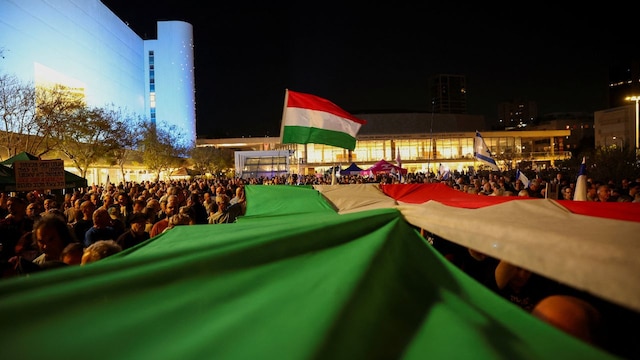
5 / 7May 14 | On this day in 1948, Israeli founding father David Ben-Gurion proclaimed the establishment of the State of Israel in Tel Aviv. Within a day, Egypt, Transjordan, Syria, Iraq and Lebanon launched a coordinated military offensive against the new state which became the first Arab-Israeli War. An estimated 700,000 Arabs fled or were expelled from their homes. The partition, the wars it triggered, and the displacement it caused continue to define territorial disputes, refugee crises and the broader struggle for Palestinian statehood to this day. (Image: Reuters)
 6 / 7
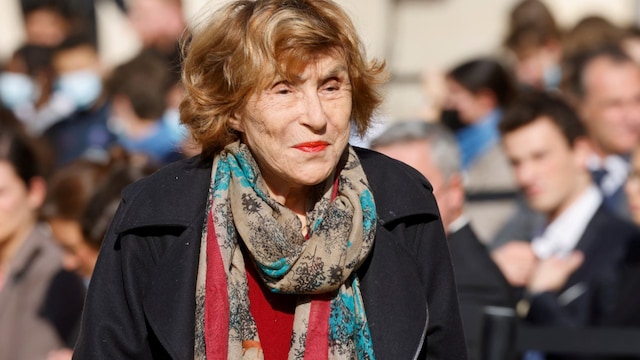
6 / 7May 15 | On this day in 1991, France got its first woman Prime Minister when Édith Cresson was appointed to the role. It marked a milestone for women in European politics, even though her tenure was brief and politically turbulent amid economic concerns and falling public support. (Image: Reuters)
 7 / 7
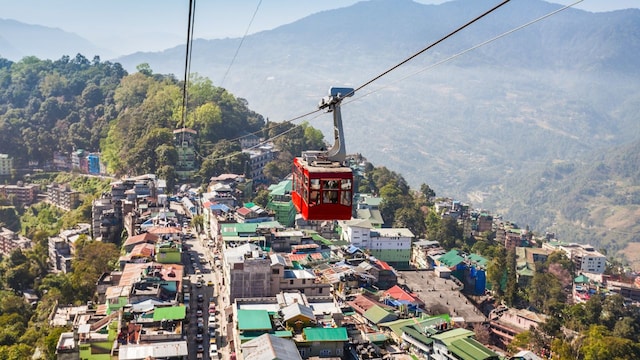
7 / 7May 16 | On this day in 1975, Sikkim joined India and officially became the country’s 22nd state after an overwhelming referendum ended the Himalayan kingdom’s centuries-old monarchy. Over 97% of people voted to abolish the monarchy and merge with India. Formerly a protectorate sandwiched between Nepal, Tibet, Bhutan, and India, the merger significantly altered the geopolitical landscape along India’s sensitive northern border with China and remains strategically important for New Delhi even today. (Image: Canva)