Although the Independent National Electoral Commission (INEC) had fixed May 10 as the deadline for submission of party membership registers and May 30 for party primaries, a recent Federal High Court ruling ordering an extension to September has created fresh uncertainty.…....
Should INEC adjust its timetable, more politicians, especially dozens of federal lawmakers who lost APC tickets may yet enter the contest.
For now, about 13 aspirants have formally declared interest and purchased nomination forms, including President Tinubu himself.
The list spans major political parties such as the APC, PDP, ADC, LP, NDC, and SDP, though notably, there is no female contender among them. Only one sitting governor Seyi Makinde of Oyo State features in the lineup.
The aspirants include heavyweights like Atiku Abubakar, Rotimi Amaechi, Peter Obi, Goodluck Jonathan, and Adewole Adebayo, alongside lesser-known figures such as Stanley Osifo, Peter Agada, Samuel Nwaigwe, Sandy Onor, Abimbola Atanda, and Mohammed Hayatu-Deen.
Political observers say the emerging contest will likely be shaped by coalition-building, regional balance, and the ability to form broad alliances capable of challenging the ruling APC’s structure and incumbency advantage.
Atiku Abubakar remains one of the most persistent contenders in Nigeria’s democratic history, having made multiple presidential bids since 1993.
Now aligned with the ADC-led opposition coalition, he continues to rely on his nationwide networks, though critics argue his repeated defections and age may weaken his prospects.
Former President Goodluck Jonathan has also re-entered the political conversation, with debates ongoing over his eligibility. His supporters believe his experience and calm image could appeal to voters seeking stability.
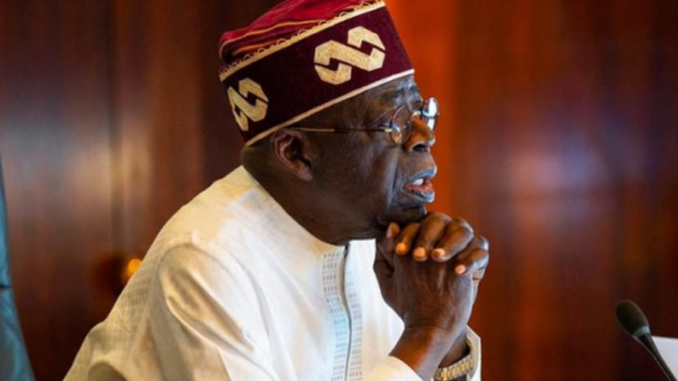
Meanwhile, President Tinubu and the APC maintain confidence in their incumbency advantage, citing party control and ongoing national projects, even as economic hardship and insecurity pose political risks.
Peter Obi continues to command strong youth and urban support, though questions remain about converting popularity into nationwide structures.
Rotimi Amaechi is also positioning within opposition alliances, while the SDP’s Adewole Adebayo promotes reform-focused governance.
Beyond the major players, technocrats and businessmen like Osifo and Hayatu-Deen are presenting themselves as alternative voices, though they face challenges of weak political machinery.
The 2027 race is shaping into a highly competitive and fragmented contest, with alliances likely to determine who ultimately gains the upper hand.