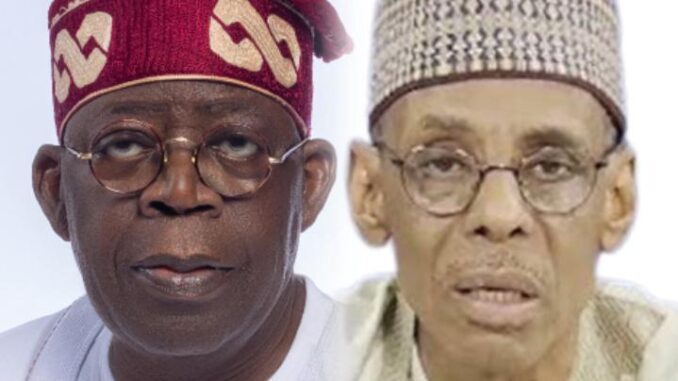
In a recent interview on Symfoni TV, Hakeem Baba-Ahmed, National Chairman of the People’s Redemption Party (PRP), spoke on governance, insecurity, leadership, and the concentration of power in Nigeria ahead of the 2027 general elections.
During the interview, Baba-Ahmed stated, “BAT is a prisoner of his own ego; he is the most powerful president we have had since 1999.” He made the remark while discussing President Bola Tinubu’s leadership style, the state of national security, and the administration’s response to the challenges facing the country.
Baba-Ahmed argued that President Tinubu has accumulated significant political influence since assuming office, making him one of the most powerful leaders Nigeria has seen since the return to democratic rule in 1999. According to him, the concentration of power around the presidency has not necessarily translated into improved governance or better outcomes for ordinary Nigerians.
He explained that excessive power can sometimes isolate leaders from the realities facing citizens, especially when access to the president is limited to a small circle of advisers and political associates. Baba-Ahmed maintained that such circumstances can make it difficult for a leader to receive honest feedback or appreciate the full extent of challenges confronting the nation.
The PRP chairman further expressed concern over the country’s worsening security situation, stating that many Nigerians continue to face threats from banditry, kidnapping, and insurgency. He contended that the administration has not done enough to reverse the trend despite repeated assurances from government officials that progress is being made.
Baba-Ahmed also emphasized the need for leaders to remain connected to the people and prioritize governance above political considerations. He argued that citizens expect practical solutions to economic hardship and insecurity rather than political rhetoric or electoral calculations.
The former presidential adviser concluded by urging those in positions of authority to embrace accountability, listen to diverse opinions, and focus on policies that directly improve the welfare of Nigerians. He stressed that effective leadership requires humility, openness to criticism, and a commitment to addressing the concerns of citizens regardless of political affiliations…See More