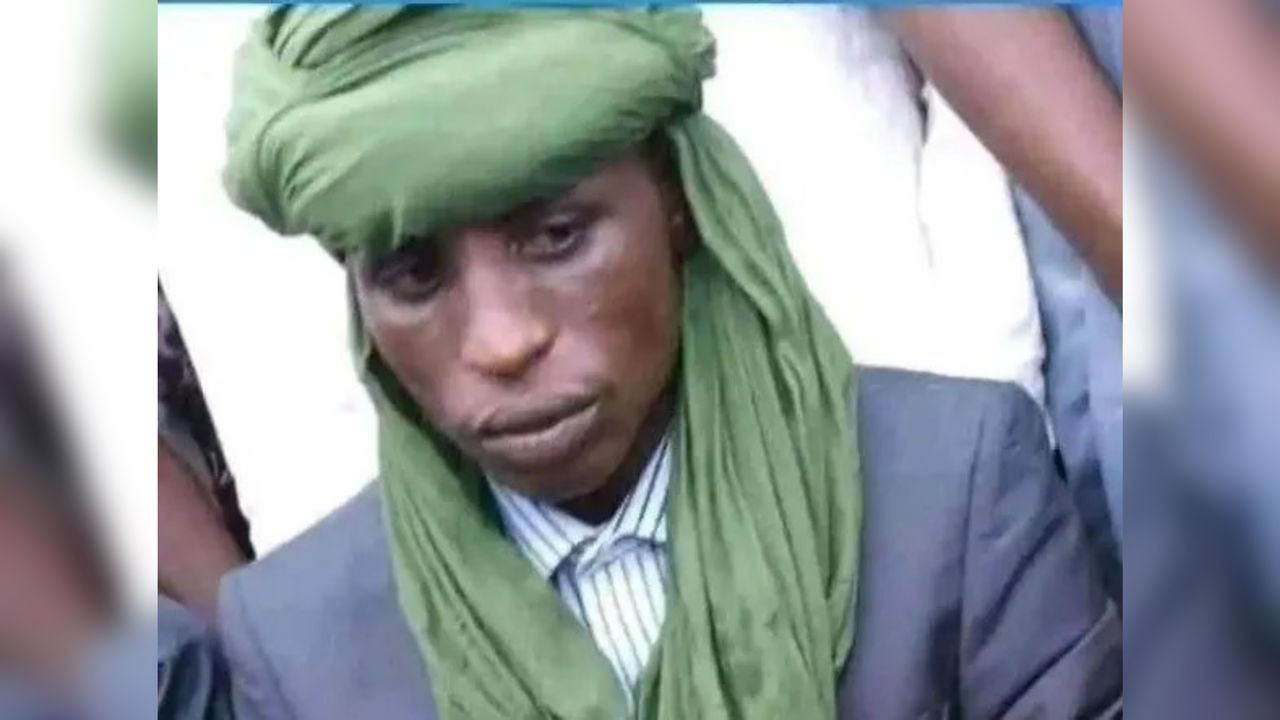
The Director-General of the Institute for Peace and Conflict Resolution (IPCR), Dr Joseph Ochogwu, has attributed Nigeria’s worsening insecurity to a fragile economy and rising youth unemployment, warning that many idle young people are being drawn into banditry and other criminal activities.
Ochogwu made the remarks on Tuesday during a visit to the Media Trust Group headquarters in Abuja.
He noted that the country’s declining productive capacity has left a large number of youths without meaningful engagement, creating conditions that fuel crime.
“Our productive base is weak. Across the country, you find many young people without jobs. In the past, they were engaged in farming and production, but that is no longer the case. Their energy is now being channelled into criminal activities,” he said.
He added that many youths are shifting from legitimate production to illicit ventures such as illegal mining, banditry, and other forms of crime.
According to him, economic challenges remain central to Nigeria’s conflict situation, stressing that lasting peace cannot be achieved without revitalising production and creating jobs.
Ochogwu emphasised that security challenges cannot be solved through military action alone, urging authorities to adopt more non-kinetic strategies.
He warned that insecurity could deepen if urgent steps are not taken to integrate unemployed youths into productive sectors.
The IPCR boss also highlighted weak local government structures as a key factor driving insecurity.
“Governance is local. Peace is local. Conflict is local. Until we fix the local government system, our efforts will remain ineffective,” he said.
He further pointed to shortcomings in basic education and primary healthcare at the grassroots level as issues worsening the situation.
Ochogwu also observed a disconnect between research findings and policy implementation, despite clear evidence on the causes of insecurity.