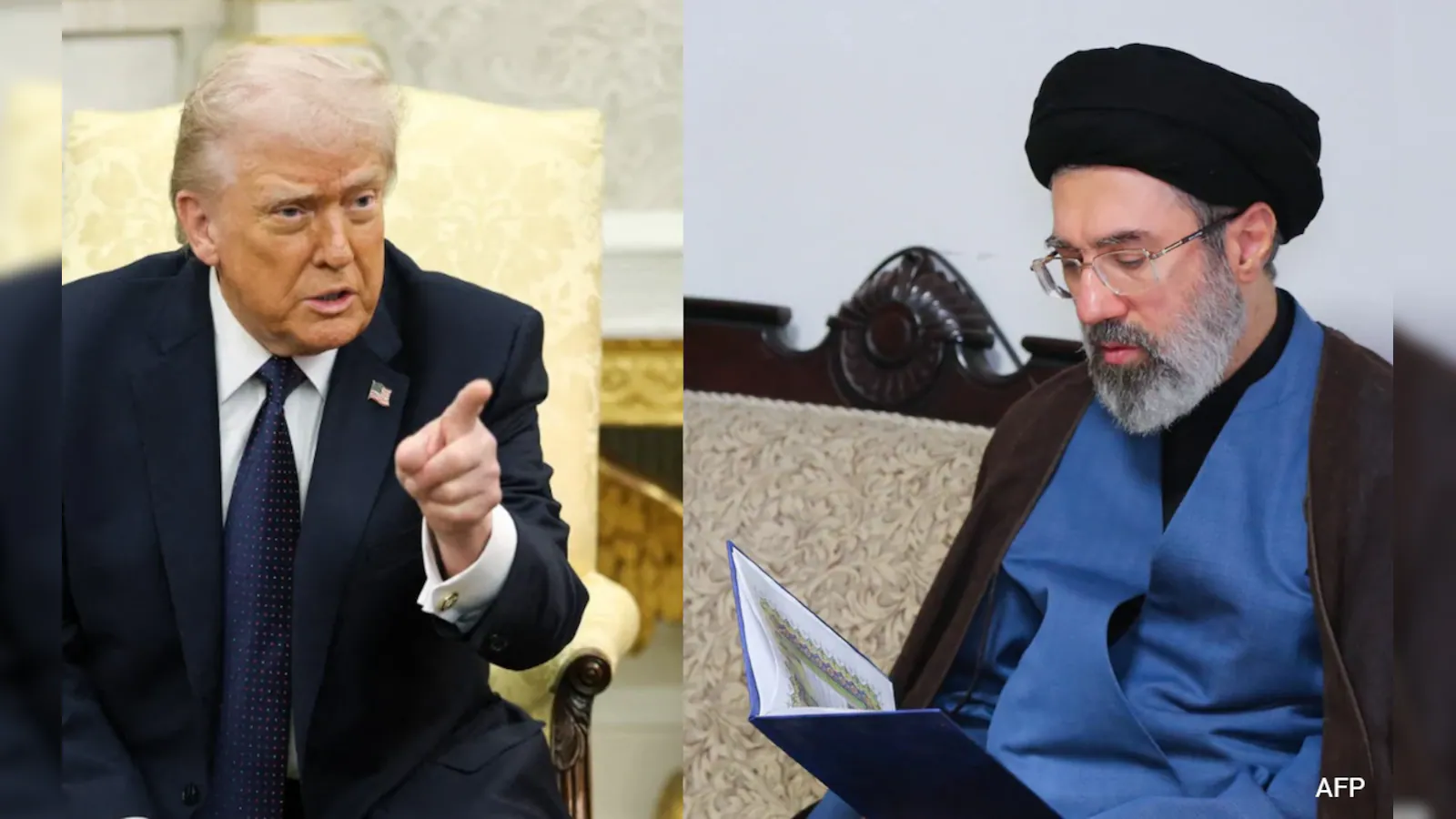
Weeks into a stalemate in the Middle East conflict, Iran and the United States are locked in a battle of wills as they pursue negotiations for a settlement — though each side has a different set of objectives.
“For Iran, the stakes are existential; for the United States, they’re short-term,” said Ali Vaez, Iran project manager at the International Crisis Group.
Progress has slowed, however, with the Iranians saying they were not close to signing, and US President Donald Trump warning he was in no hurry.
If an agreement materialises, what would it mean for Iran and the United States, as well as for its ally Israel, which has consistently opposed any deal with the Islamic Republic?
What’s In It For Iran?
Iran’s economy has been battered by years of international sanctions, and in the weeks before the war, mass cost-of-living protests broke out that were met with a brutal crackdown by the authorities.
Vaez said that Iran needs “an injection of hundreds of billions of dollars in order to get back on its feet”.
But the money would not be available unless the country resolved “its problems with the outside world in a fundamental manner”, he added.
“It is one thing to survive a hot war, it’s another thing to freeze in a cold peace.”
Vaez said Iran’s priority remains survival, which requires “reconstituting its military power and reconstructing the country in order to basically be able to maintain a tight grip on power at home”.
“There’s no doubt that without reconstruction, its future would be at stake,” he added.
Iran has long demanded the release of its frozen assets held under US sanctions.
According to Iran’s Tasnim news agency, Iran has insisted that any initial understanding with the US “must be conditional on at least partial access to the assets”.
Vaez said that “the less the US provides Iran with access to frozen assets, the more Iran will insist on using the control over the Strait (of Hormuz) to… generate revenue”.
Iran has blockaded the vital waterway since the start of the war, sharply driving up energy prices and disrupting the global economy.
And For The US?
Mairav Zonszein, a senior analyst at the International Crisis Group, said Trump went into the war thinking it “would be quick and more successful than it was”.
The US leader wants Iran to abandon its nuclear programme, but several rounds of talks and the war have so far failed to achieve that result.
Major disagreements remain, suggesting that the nuclear issue will likely be tackled at a later stage.
Vaez said that addressing other issues, like Hormuz, seemed more logical than “being bogged down on the nuclear issue”.
In the short run, Trump’s priority might be to end the war “because he needs to bring down global energy prices and prices at the gas pumps in the United States”, he added.
In recent weeks, Trump’s shifting comments — angry at times and optimistic at others — have driven oil prices up and down on hopes that a deal could reopen Hormuz.
Trump also needs “to focus on the midterm elections and the chances of Republicans to maintain control over both houses of Congress”, Vaez said.
Zonszein added: ” Trump has his own interest in looking like a winner.”
What About Israel?
Israel’s Prime Minister Benjamin Netanyahu said he and Trump had agreed that “any final agreement with Iran must eliminate the nuclear threat entirely”.
Zonszein noted that they started the “war on a gamble that it would work in their favour”, adding: “It clearly hasn’t.”
She said Israel’s talking points have since been: “We just need to keep up the military force, the military threat, we need to keep the economic pressure, and eventually it will lead to results.”
Israel previously tried to prevent the US administration of Barack Obama from reaching the 2015 nuclear deal. It failed at the time, but continued to press its case until Trump came to power.
Vaez said, “There’s no deal that would satisfy Israel”.
“I think Israel would persist in its opposition to any deal with Iran, even if a framework agreement is finalised.”
Vaez warned the agreement being negotiated has “poison pills”, such as Lebanon — which Israel continues to strike despite a US-brokered ceasefire, saying it is targeting Hezbollah.
Iran’s insistence on including Lebanon in any deal grants “Israel an instrument to bring down an understanding between the US and Iran”, even if not immediately, he said.
(Except for the headline, this story has not been edited by NDTV staff and is published from a syndicated feed.)