4 min readMay 5, 2026 11:09 PM IST
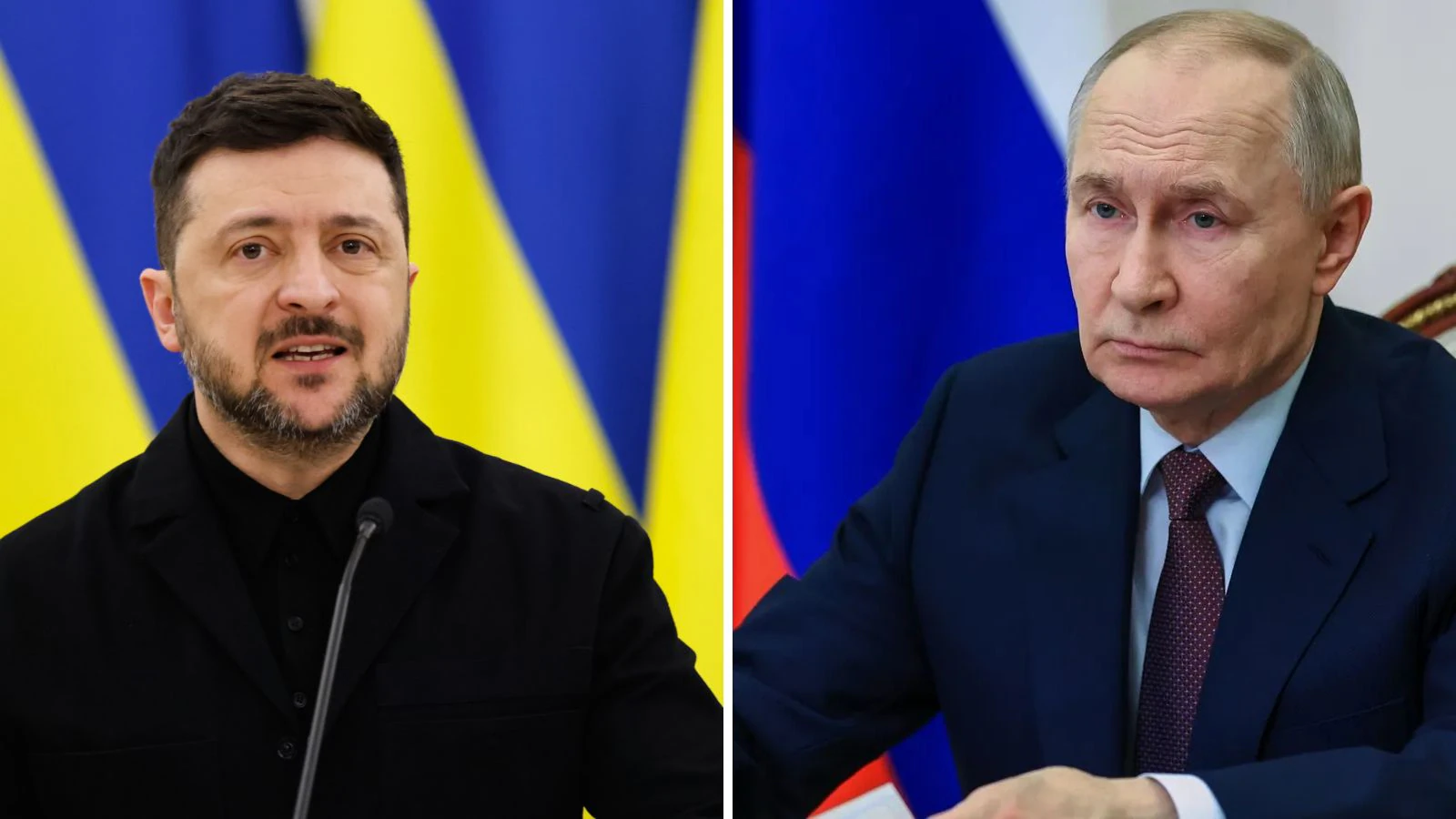
Russian President Vladimir Putin announced a two-day ceasefire on Monday, days after Ukrainian President Volodymyr Zelenskyy separately announced a pause in fighting starting May 5. The two announcements were made separately and described in very different ways, but both were tied to Russia’s 81st Victory Day commemorations of the Soviet Union’s defeat of Nazi Germany in 1945.
Why is Victory Day celebrated?
Victory Day commemorates the end of World War II and the victory of the Allied Forces in 1945. Germany’s Adolf Hitler, the Leader and Chancellor of the Reich, had shot himself on April 30. Days later on May 7, German troops surrendered, which was accepted the next day. It took another day, till May 9, for the new reality to come into effect.
How Russia-Ukraine limited ceasefire came into effect?
Putin first mentioned the possibility of a ceasefire during a phone call with US President Donald Trump.
The Russian defence ministry later formally announced a truce for May 8 and 9 on Telegram and asked Ukraine to do the same.
The announcement included a direct warning: any Ukrainian attempt to disrupt the Victory Day celebrations would lead to a large-scale missile strike on central Kyiv. The ministry also told Kyiv residents and foreign diplomatic staff to leave the city.
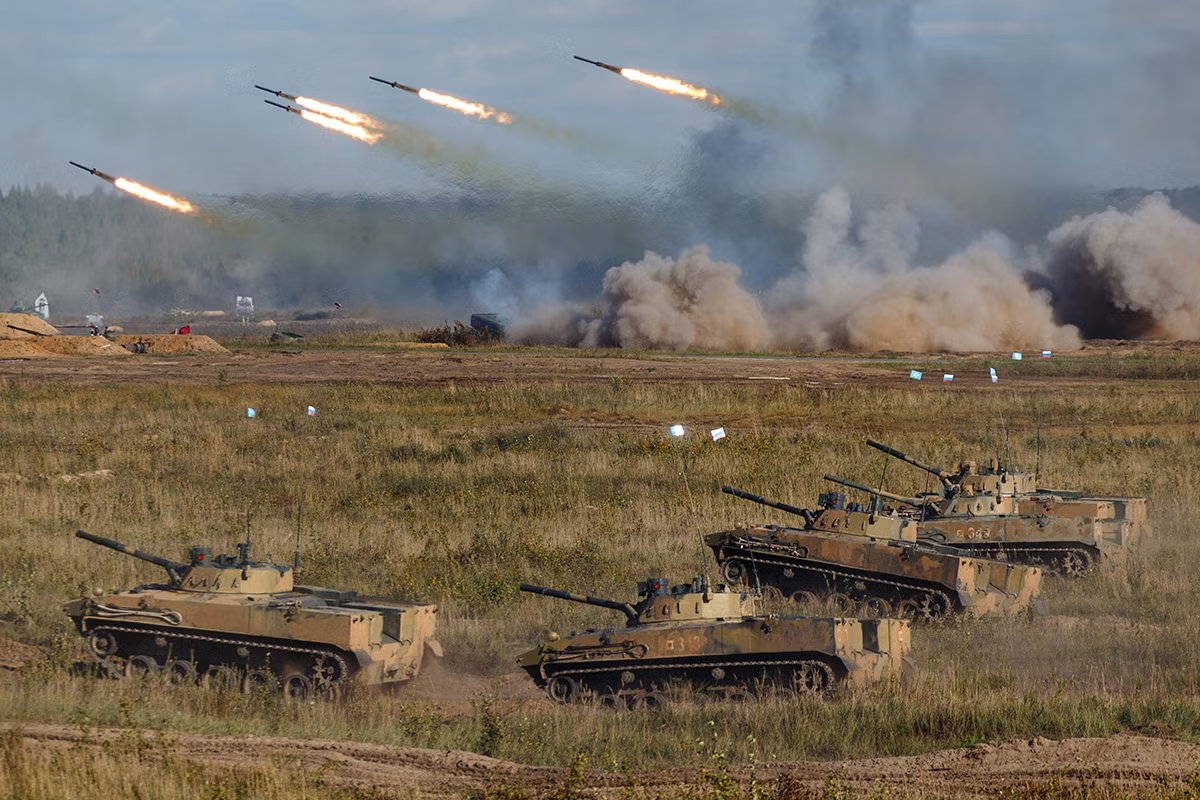
Russia’s decision to seek a pause came alongside a notable change in its Victory Day plans. For the first time in years, the traditional parade will not include military hardware, with officials citing the threat of Ukrainian drone attacks.
In recent weeks, Ukraine has stepped up strikes deep inside Russian territory, including a drone that hit a building in Moscow on Monday, while 14 others were intercepted the same day.
Story continues below this ad
Zelenskyy pointed to the importance of the omission, saying Russia could no longer afford to display military equipment and was worried about drones over Red Square.
As of today, there has been no official appeal to Ukraine regarding the modality of a cessation of hostilities that is being claimed on Russian social media. We believe that human life is far more valuable than any anniversary “celebration”. In this regard, we are announcing a…
— Volodymyr Zelenskyy / Володимир Зеленський (@ZelenskyyUa) May 4, 2026
Zelenskyy announced Ukraine’s ceasefire from Armenia, where he was attending a European Political Community summit.
He said Ukraine would observe a period of silence starting at midnight on May 5, presenting the move as a sign of Ukraine’s belief that human life matters more than any commemorative event.
He criticised Russia for ignoring repeated Ukrainian calls for a lasting end to the fighting and had earlier dismissed Russian ceasefire proposals as not serious. He did not give a specific duration, saying only that Ukraine would act symmetrically.
Both sides enter the pause with reason for doubt. A ceasefire declared for Orthodox Easter last month fell apart, with each side blaming the other for violations.
Story continues below this ad
Ukraine has said it wants a lasting settlement rather than a short-term pause, and it has continued military pressure on Russian territory ahead of the announced truce.
The announcements show the different pressures each government is facing at this stage of the war.
For Russia, the ceasefire provides a degree of protection for its most symbolically significant national commemoration at a moment when its military vulnerability to Ukrainian drone strikes has become publicly visible. For Ukraine, the decision to announce its own pause – on its own terms and ahead of Russia’s formal declaration – allows it to contest the narrative around the truce while maintaining its position as the party seeking a permanent resolution.
Stay updated with the latest – Click here to follow us on Instagram
© IE Online Media Services Pvt Ltd