A free and independent media remains central to governance, transparency and national development, the groups said.
The Civil Society Legislative Advocacy Centre (CISLAC) on Monday called for urgent reforms to protect press freedom in Nigeria, warning that continued attacks on journalists and weak enforcement of existing laws threaten democratic accountability.
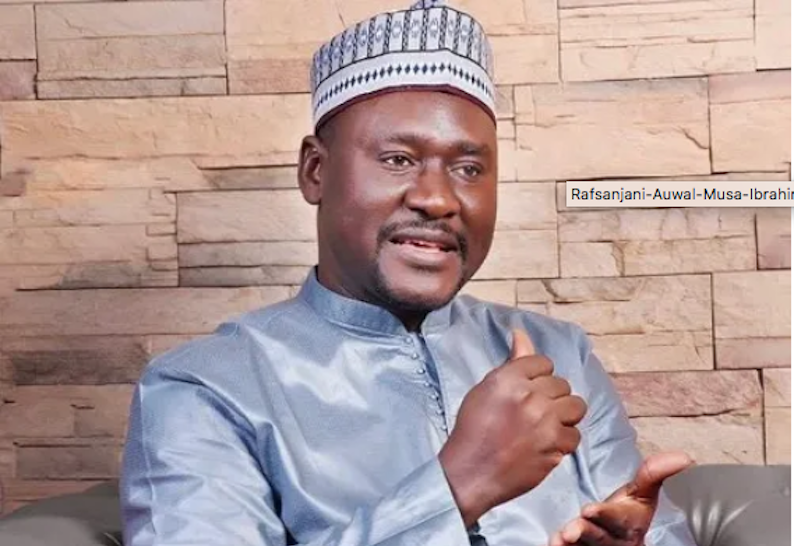
In a statement to mark World Press Freedom Day by its Executive Director, Auwal Musa, who is known as Rafsanjani, the organisation said a free and independent media remains central to governance, transparency and national development.
Aligning with this year’s theme by UNESCO, “Shaping a Future of Peace: Promoting Press Freedom for Human Rights, Development, and Security,” CISLAC described the media as a watchdog that exposes corruption, amplifies citizens’ voices and supports informed decision-making.
Mr Musa warned that curbing press freedom would erode public trust and deepen corruption.
He also stressed the need for full compliance with Nigeria’s Freedom of Information (FOI) Act, noting that the law guarantees citizens access to public records.
“Effective implementation of the law will go a long way in debunking misinformation and disinformation while strengthening transparency and accountability,” he said, adding that citizens who follow due process should not be denied access to information.
Beyond legal protections, CISLAC said the welfare of journalists must be prioritised.
Mr Rafsanjani noted that poor pay and difficult working conditions undermine professionalism and independence in the media.
He called for improved wages, better working conditions and stronger safety measures, including training in digital security and conflict-sensitive reporting.
CISLAC cited recent global findings by Reporters Without Borders showing that press freedom has fallen to its lowest level in 25 years, with more than half of countries classified as difficult or dangerous for journalists.
The group noted that although Nigeria recently ranked 112th out of 180 countries, journalists still face harassment, arbitrary arrests and physical attacks, often linked to security agencies.
The statement also raised concerns about the use of laws such as the Cybercrimes Act and defamation provisions to intimidate reporters, alongside political interference, surveillance and economic pressures.
According to CISLAC, weak accountability systems have allowed perpetrators of attacks on journalists to act with impunity, encouraging self-censorship and shrinking civic space.
The organisation urged the government to review laws that restrict press freedom, ensure independent investigations into attacks on journalists and prosecute offenders regardless of affiliation.
It also called for policies that support media sustainability without undermining editorial independence.
“A free press is not a luxury; it is a necessity for democracy, development, and peace,” the statement stated.
In a separate intervention on Monday, media scholar and Deputy Provost of the Nigeria Institute of Journalism, Jide Johnson, emphasised that Nigeria’s legal framework provides for press freedom but enforcement remains weak.
He referenced Sections 22 and 39 of the Nigerian onstitution, which mandate the media to hold the government accountable and guarantee freedom of expression.
However, he warned of what he described as growing “authoritarian incursions” into civic freedoms, citing instances where individuals were allegedly arrested over civil matters.
Mr Johnson identified self-censorship as a major challenge, driven by ownership influence, political pressure and economic constraints.
These pressures, he said, are gradually shifting the media from a watchdog role to a “lapdog,” often avoiding critical reporting.
He stressed that strengthening the judiciary is key to reversing the trend and ensuring accountability.
Also marking the day, the Nigerian Guild of Editors (NGE) and the Socio-Economic Rights and Accountability Project (SERAP) on Sunday urged President Bola Tinubu, state governors and the Minister of the Federal Capital Territory to take decisive steps to protect journalists and address insecurity.
The call followed a conference held in Lagos on “The Role of the Media in Promoting People’s Rights, Accountability, and Access to Justice in the Context of Growing Insecurity in Nigeria.”
In a joint statement, the groups said protecting journalists and safeguarding information integrity are critical to peace, security and democratic stability.
They warned that attacks on journalists, shrinking civic space and rising insecurity pose serious risks to governance.
“We recall that Section 22 of the Nigerian Constitution mandates the media to hold government accountable, while Section 39 guarantees freedom of expression,” the statement said.
They added that any credible peace strategy must include support for a free, independent and pluralistic media.
Speaking at the conference, NGE President Eze Anaba urged journalists to focus more on the human cost of insecurity and amplify the voices of victims.
“This year’s conversation compels us to reflect deeply on the role of the media in defending people’s rights, promoting accountability, and ensuring justice,” he said.