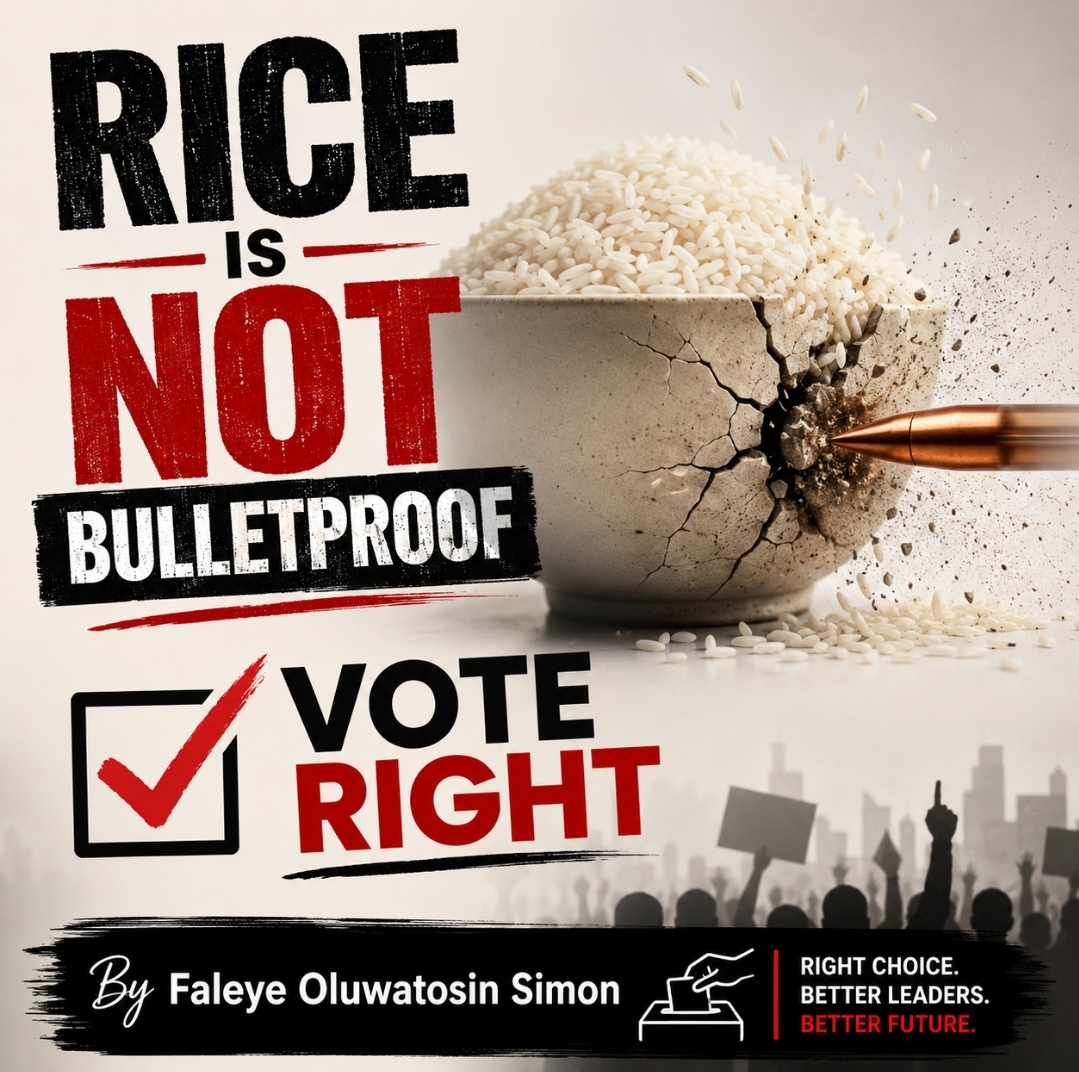
When Remi Tinubu advised Nigerians to consider starting small-scale ventures like akara frying, roasted corn, and kuli-kuli businesses, it may have sounded like practical encouragement. After all, millions survive daily through such micro-enterprises.
But in today’s Nigeria, that message lands very differently.
It doesn’t inspire hope.
It exposes a widening gap.
At a time when citizens are grappling with historic inflation, a weakened naira, rising fuel costs, and shrinking purchasing power, telling people to “start small” feels less like empowerment and more like a quiet lowering of national expectations.
This is where the contradiction becomes impossible to ignore.
While everyday Nigerians are being nudged toward subsistence-level trading, the administration of Bola Ahmed Tinubu is championing multi-billion-naira infrastructure projects—most notably the coastal highway. These projects are framed as bold, future-facing investments meant to unlock economic growth.
But growth for who and when?
Because for the average citizen, the reality is stark:
The cost of doing business has skyrocketed
Even “small” businesses are no longer cheap to run
So when leadership messaging emphasizes roadside survival, it raises uncomfortable questions:
Is this now the official economic vision for Nigerians?
Are citizens being prepared for prosperity—or conditioned for endurance?
Has ambition quietly been replaced with adaptation?
Let’s be clear: there is dignity in honest labour. Akara sellers and street vendors are part of the backbone of Nigeria’s informal economy. But no serious nation builds its future by romanticizing survival.
A functioning economy should not merely teach its people how to cope—it should create pathways to scale, stability, and wealth creation.
The deeper issue here is not the suggestion itself, but the symbolism behind it. When those in positions of privilege promote low-capital hustles as a primary solution, it can signal a troubling disconnect from the structural realities citizens face daily.
Leadership is not just about policies—it is also about tone, timing, and empathy.
In moments of national strain, people are not just listening for advice; they are listening for vision.
Nigeria does not lack hardworking people. What it lacks is a system that consistently rewards hard work with upward mobility.
So yes, encourage enterprise. Support small businesses. Provide grants.
Build an economy where small businesses can grow into large ones
Where citizens are not trapped in survival cycles
Where the next generation is inspired to aim higher than subsistence
Because a nation of over 200 million people cannot afford to dream small.