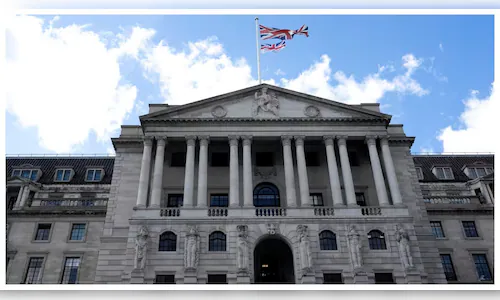
The decision, in line with expectations in a Reuters poll of economists, was supported by seven of the nine members of the Monetary Policy Committee (MPC). Two members voted for a 25-basis-point increase, citing concerns over lingering inflationary pressures.
The BoE’s pause comes against a backdrop of higher global energy costs following the Iran conflict, which has pushed inflation higher in several economies. As a net energy importer, the United Kingdom remains particularly exposed to such price shocks.
UK inflation stood at 2.8% in May, slightly cooler than expected, driven largely by higher transport fuel costs. However, analysts caution that the easing may be temporary, with regulated energy price adjustments expected to push inflation higher later this year.
The UK economy also showed signs of weakness, contracting by 0.1% in April, underscoring the fragile growth outlook.
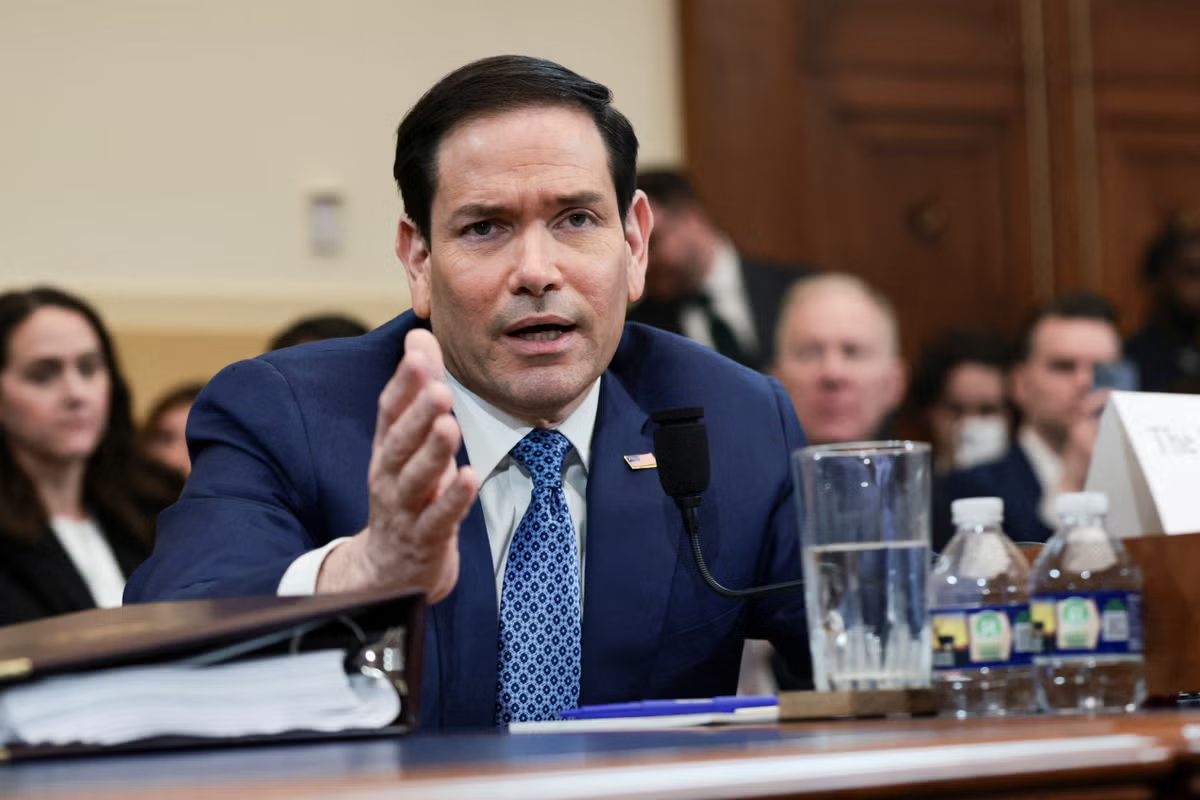
“The higher energy prices of the past four months mean there’s already some inflationary pressure in the pipeline,” BoE Governor Andrew Bailey said. He added that recent declines in oil prices were “encouraging,” though levels remain above pre-conflict norms.
“Whatever happens in the future, the Bank’s job is to make sure that doesn’t turn into sustained inflation above our 2% target,” Bailey said.
Despite signs of easing inflation, financial markets continue to price in the possibility of further rate action later this year, according to LSEG data, as policymakers remain cautious about second-round effects from energy-driven price increases.
At its previous meeting, the MPC had also voted to hold rates, reflecting a gradual shift toward a more measured policy stance after a prolonged tightening cycle.