Elon Musk-owned social media platform X will not face any regulatory action for at least two months over posts that incited violence in Belfast, even as the UK government faced growing pressure to act against content that fuelled riots targeting ethnic minorities in Northern Ireland.
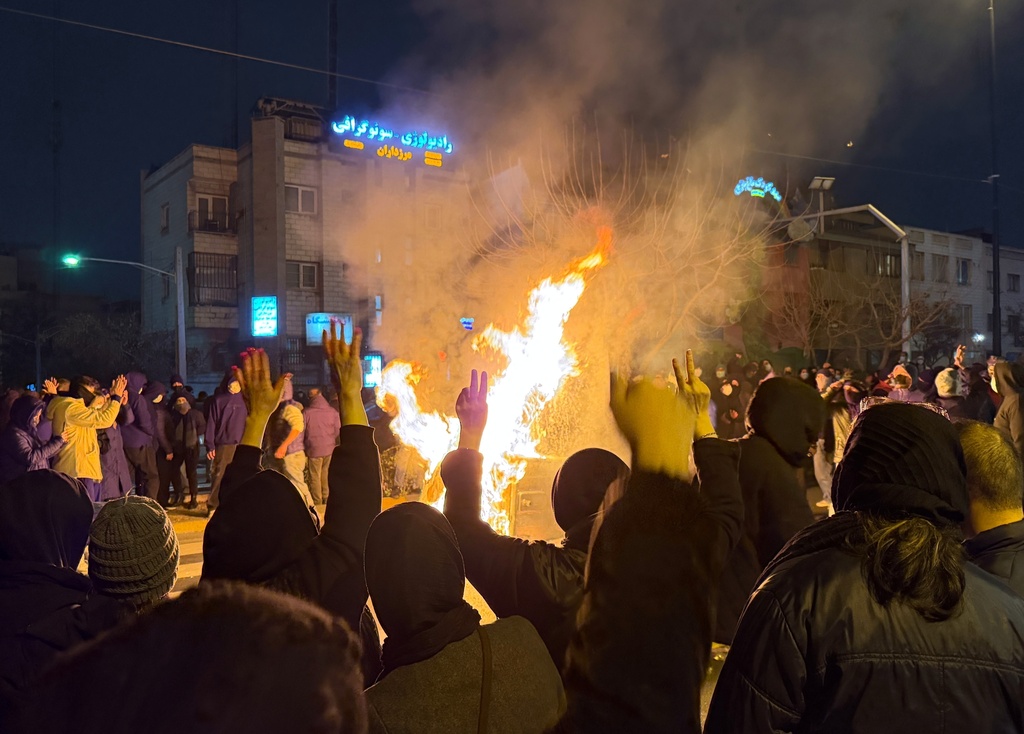
Violence broke out on Tuesday evening in and around Belfast, when crowds – including masked men – burned vehicles and houses, blocked roads, and targeted residents from ethnic minority communities. One Northern Ireland MP described the unrest as “a race-based pogrom.”
The violence followed a knife attack on Stephen Ogilvie, allegedly carried out by Hadi Alodid, a 30-year-old Sudanese refugee. Alodid was charged on Wednesday at Belfast magistrates’ court with attempted murder, threatening to kill an NHS radiographer, and possession of a knife. Ogilvie lost his left eye in the attack.
Why X is not being acted against yet
The UK government has said it will leave any formal action against X to the media regulator Ofcom. However, Ofcom is still awaiting the platform’s first quarterly compliance report, which is not due for at least two months. Ofcom warned platforms that they must not allow illegal content to proliferate during crises.
Ministers plan to amend the Online Safety Act to require social media firms to remove inflammatory content more quickly during crises. But this secondary legislation must lie before parliament for 40 days before taking effect – meaning no action is expected before mid-July at the earliest.
Liz Kendall, the Science and Technology Secretary, said the updates would be laid out in parliament next week, and would require social media companies to “take quicker action to remove illegal content circulating during times of crisis.”
On Wednesday, Ofcom published an open letter to X and other online platforms, reminding them of their legal responsibilities not to allow incitement.
Story continues below this ad
The Online Safety Act only recently came into force, with many enforcement mechanisms still being phased in.
Musk’s role and government response
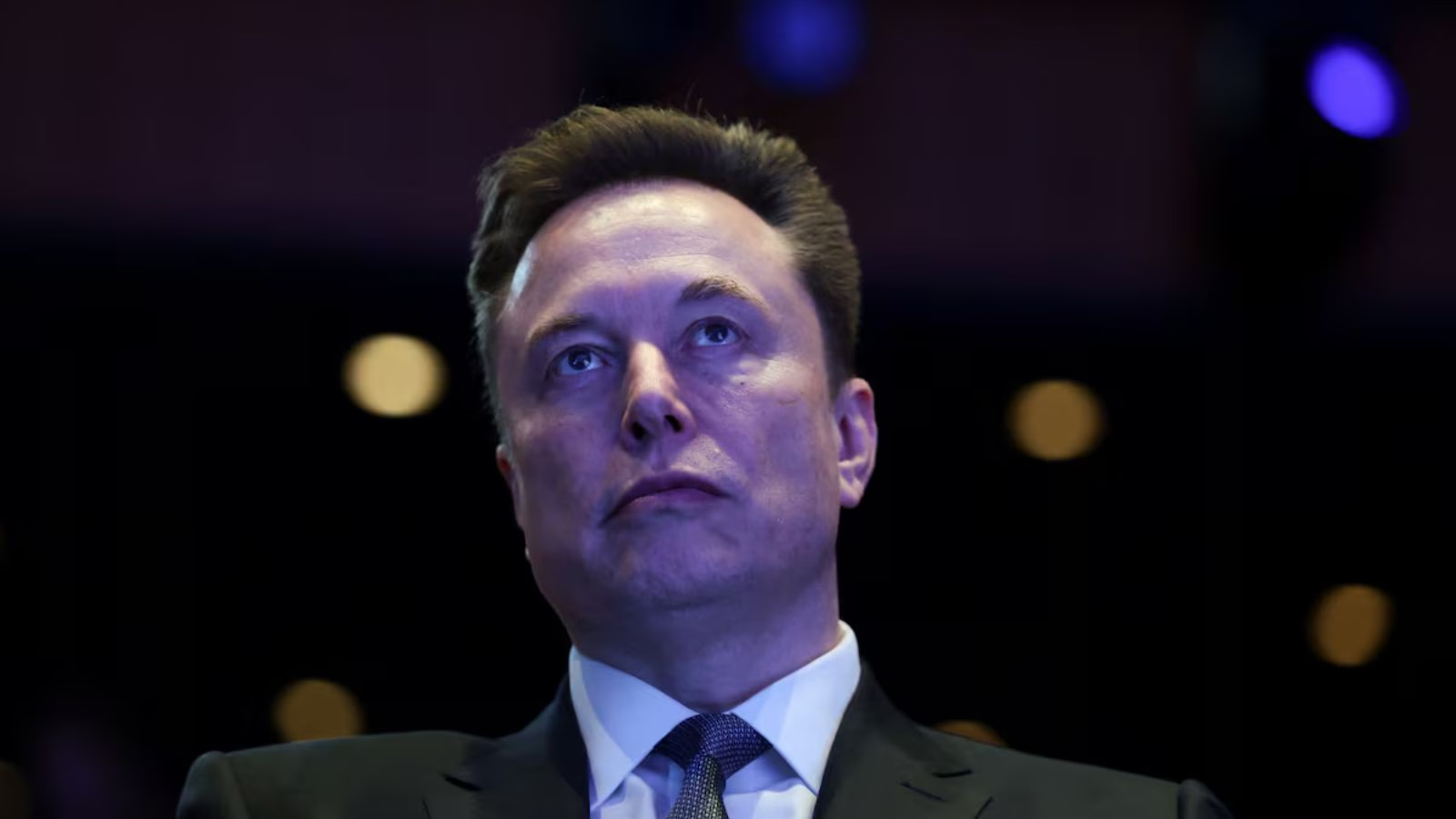
Musk and other far-right figures, including Tommy Robinson, had called for demonstrations following the knife attack. Musk also reposted comments he made last year saying violence was “inevitable” and that people needed to “fight back or you die.”
Critics argued the posts contributed to rising tensions, although no evidence has directly linked Musk’s activity to specific acts of violence.
Musk has rejected claims that he bears responsibility for inciting disorder in Belfast. On X, he shared a post arguing that “the very deliberate policy of mass uncontrolled immigration and open borders” – and not social media – was inflaming tensions.
Story continues below this ad
Prime Minister Keir Starmer vowed on Wednesday to “crack down on anyone who is fuelling this division.” His spokesperson said he “won’t hesitate” to take action against X and its AI tool Grok, referencing earlier steps taken
against both.
Anna Turley, a Cabinet Office minister and chair of the Labour Party, said: “There are bad faith actors who are often sitting many, many miles away. It’s easy for them to stoke these things up.” Asked if she was referring to Musk, she told Times Radio: “He’s not living in the kind of communities where we’re seeing this kind of activity. He’s not at risk. He has a responsibility; everyone in public and civil life has a responsibility to call for calm and not to stoke grievance or hatred or division or tension that puts vulnerable people and our communities at risk,” according to The Guardian.
Ed Davey, the Liberal Democrat leader, criticised the delay, saying: “The system clearly isn’t fit for purpose. It builds in delay after delay so platforms can get away with breaching their duties for ages before Ofcom does anything about it.”
Voices on the ground
Among those forced to flee their homes were two Ugandan care workers, rescued after a church pastor appealed to a mob outside their house as neighbouring buildings burned. One of them, Sumayah Nakazibwe, described the experience as “terrifying.”
Story continues below this ad
“Someone who is actually rioting doesn’t know that the person they are targeting is actually looking after their mother or their granny,” she said.
Cabinet Office minister Ruth Anderson told the House of Lords that 27 people had been made homeless after foreign nationals were targeted.
According to the reports, the family of Stephen Ogilvie appealed for calm, saying in a statement: “We are aware of the tensions and talk of protests following this incident. We want to make it absolutely clear that overnight unrest is not welcome, and peaceful protest is the only way forward. We have many migrants who make a deeply valuable contribution to our country, including in our healthcare system and hospitality sector, and we depend on them to make our country work. We do not want this terrible tragedy to be used to divide people or fuel hostility.”
Security concerns
Neil Basu, a former police national lead for counter-terrorism, warned that far-right agitation over migration now represented the biggest national security threat facing Britain – greater than Islamist terrorism.
Story continues below this ad
“The way we talk about immigration is fuelling violence on the streets, and is fuelled by social media. Black and brown people are walking around terrified. What the extremists want is a white Britain,” Basu said.
However, Jonathan Hall, the independent reviewer of terrorism legislation, offered a different perspective, saying it was “absolutely legitimate to talk about immigration in the context of national security,” and that people had a right to be concerned about arrivals from countries with histories of conflict.
Northern Ireland’s Justice Minister Naomi Long condemned the violence, saying it was driven by online actors with no real connection to Belfast.
“What distresses and disturbs me is there are those that prior to yesterday would have struggled to find Belfast on a map, who are online, who are sharing incitement and encouragement for people and weaponising the fear that people genuinely have about what happened to try and turn this into some kind of anti-immigration issue or a racist protest,” she told BBC Radio 4’s Today programme.
Story continues below this ad
“Ultimately, if you’re driving people from their homes based on the colour of their skin, you can’t dress that up any other way — it’s racism,” she added.
The debate echoes similar controversies after riots in England last year, when questions were raised about the role of online platforms in amplifying misinformation.
(Inputs from The Guardian)